





The Viral Clip That Starts It All
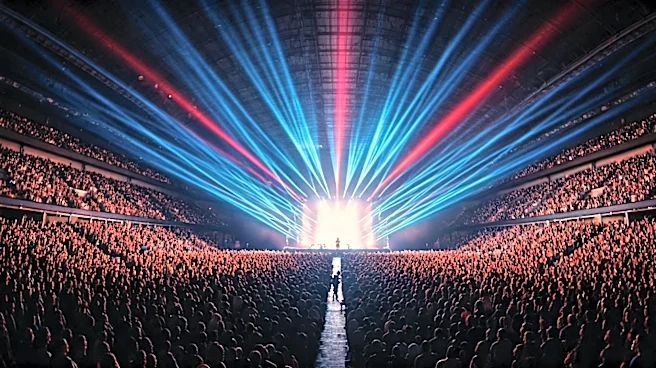
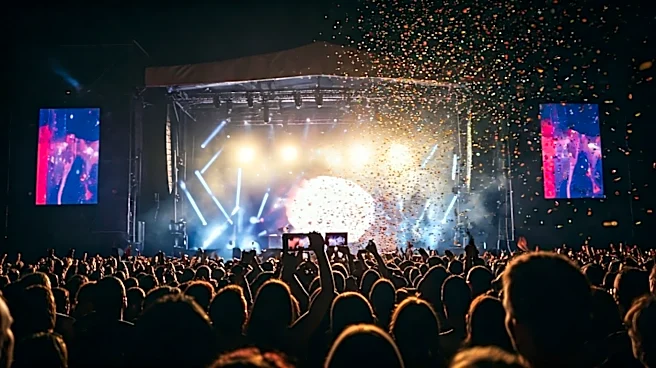
The scene is familiar: a beloved artist is on stage, pouring their heart into a ballad. Then, from the crowd, another voice rises—loud, off-key, but passionate—singing right over the performer. The phone recording the moment captures the artist’s fleeting
look of surprise or annoyance. Within hours, the clip is everywhere, captioned with everything from 'She's just having fun!' to 'This is so disrespectful.' These moments, whether it's overzealous singing, invasive fan interactions, or jostling for the perfect selfie angle during a poignant set, have become a recurring feature of the post-Essence Fest news cycle. They ignite a conversation that quickly moves beyond the single incident into a much broader cultural discussion.
Two Americas, One Concert
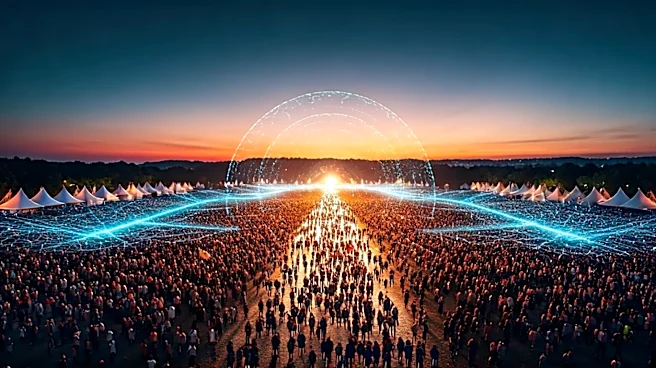
The debate typically splits into two distinct camps. On one side, you have the 'Let People Enjoy Things' crowd. Their argument is straightforward: tickets are expensive, life is short, and a concert is a place for joyful release. For them, singing along at the top of your lungs is the ultimate sign of appreciation, a way to feel connected to the music and the artist. They see the criticism as joy-policing, arguing that the communal, celebratory spirit of Essence Fest is precisely what makes it special. On the other side is the 'Respect the Art' contingent. They argue that attending a concert is a shared experience, not a private karaoke session. Drowning out the artist disrespects the performer's craft and ruins the experience for hundreds of others who paid to hear a professional, not the person standing next to them. For this group, it’s about basic concert etiquette and recognizing that your individual fun shouldn't come at the expense of the collective.
The Generational and Technological Divide
Diving deeper into the comment sections reveals a fascinating undercurrent. Many attribute the behavior to a generational gap. Older attendees often lament what they see as a decline in decorum, recalling a time when audience behavior was more deferential to the artist. They blame the 'main character syndrome' fueled by social media, where every experience must be recorded and performed for an online audience, rather than simply lived. Younger fans, however, might see it differently. Having grown up with platforms like TikTok and Instagram, where interactive and immersive content is king, the line between spectator and participant is naturally more blurred. The impulse to capture a viral-worthy moment—or to be the moment—is a powerful one, often overriding traditional notions of concert etiquette. It's less about malice and more about a fundamental shift in how we experience live events in the digital age.
How Artists Are Navigating the New Normal
The artists themselves are caught in the middle. Some play along, turning the microphone toward the crowd and embracing the chaotic energy. Others have become visibly frustrated. In recent years, artists from R&B legends to contemporary stars have had to gently (and sometimes not-so-gently) ask fans to quiet down or to stop blocking others with their phones. Performers at events like Essence Fest are expected to create a powerful, emotional connection. But they are now also forced to manage an audience that sometimes seems more interested in creating its own content than in receiving the performance. This dynamic adds a new layer of pressure to live shows, where artists must now be entertainers, content moderators, and etiquette coaches all at once.