






First, Forget the Stopped Clock
The biggest mental hurdle for an American sports fan is the clock itself. In football, basketball, and hockey, the game clock is a tyrant. It stops for everything: timeouts, penalties, commercials, reviews, even just the puck going out of play. A one-second
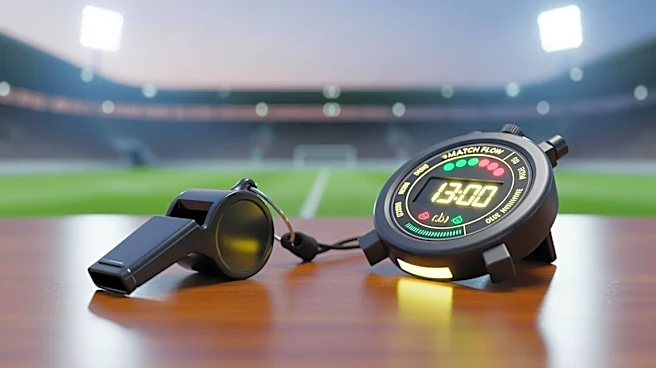
difference on the clock can be the entire game. Soccer throws that concept out the window. The official match clock runs continuously for each 45-minute half, regardless of what happens on the field. It does not stop. Ever. Think of it less like a game clock and more like a stopwatch your gym teacher started at the beginning of class. Because the clock never stops, all the time lost to the natural interruptions of the game has to be accounted for. Stoppage time isn't 'bonus time'—it's 'time we should have gotten back earlier'.
What Officially Warrants 'Added Time'?
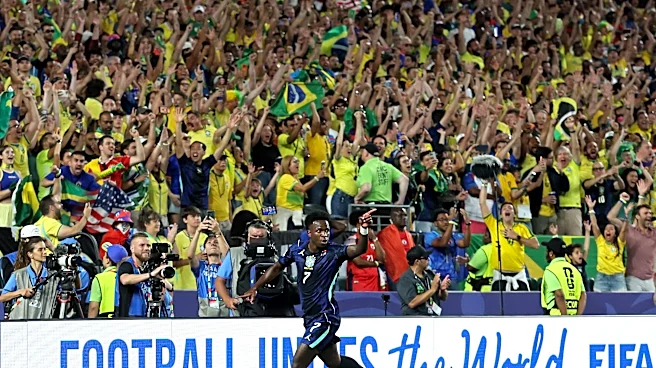
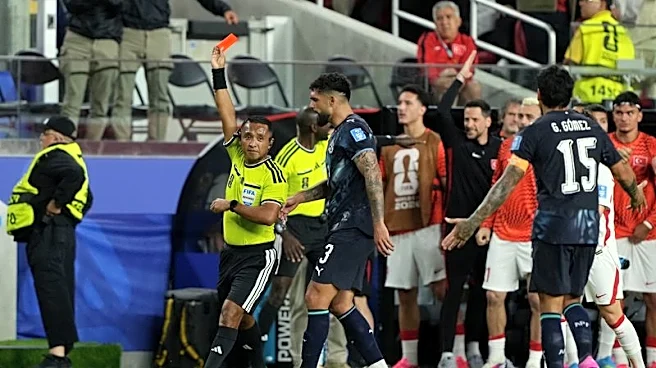
So where does this extra time come from? It’s not just a random number the referee pulls out of a hat. According to FIFA's Laws of the Game, the referee is responsible for adding on time for specific delays. The main culprits are: * **Substitutions:** Each team gets a handful, and they don't happen instantaneously. * **Injuries:** Assessing and treating a player on the field can eat up several minutes. * **Goal Celebrations:** That choreographed dance or knee-slide in the corner? The clock is still running, so that time gets added back. * **VAR (Video Assistant Referee) checks:** The modern game’s version of a replay review can cause significant delays. * **Disciplinary Actions:** Issuing yellow or red cards takes time. * **General Time-Wasting:** When a team in the lead starts taking forever on a throw-in or a goal kick, the referee mentally notes it and adds it to their tally. At the end of each half, the referee calculates a rough total and signals it to a fourth official, who holds up a board showing the minimum number of minutes to be added.
The Art and Science of the Calculation
This is where the frustration—and the magic—comes in. Stoppage time is an estimate, not a science. A referee doesn’t have a separate stopwatch clicking on and off for every little delay. It’s a judgment call, much like a baseball umpire’s strike zone. They have a general feel for how much time was lost. This subjectivity is why you’ll see managers and fans gesturing wildly at their watches. They feel more time was wasted than the referee is accounting for. And that word 'minimum' is key. If the fourth official holds up a board showing '4' minutes, it means the game will continue for *at least* four minutes. If there's another major delay within that period, the referee can extend stoppage time even further. The half only ends when the referee decides to blow the whistle, typically during a neutral moment of play.
Why It Creates Unmatched Drama
While a two-minute drill in football is a masterclass in clock management, stoppage time is a lesson in pure, desperate urgency. There is no timeout to call, no way to stop the clock to draw up a final play. It’s just relentless, chaotic action until a whistle that could come at any second. This creates some of the most iconic moments in sports history. The most famous example is 'Fergie Time,' named after legendary Manchester United manager Sir Alex Ferguson, whose teams were notorious for scoring crucial, late-game winners in what felt like an eternity of stoppage time. It’s a period where a team’s season can be saved or shattered in a few frantic moments, making it a source of both ultimate elation and utter heartbreak. It’s the sport’s chaotic, unpredictable, and emotionally raw version of a final buzzer-beater.