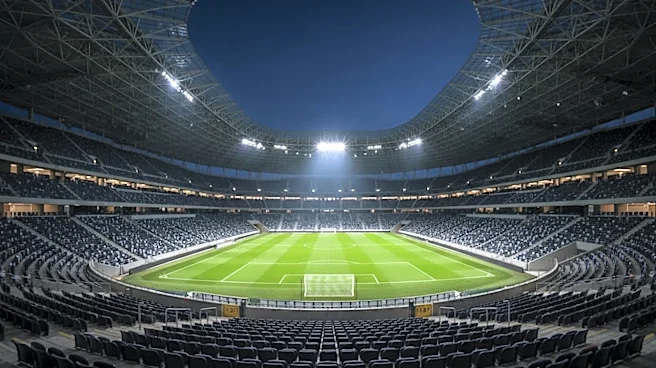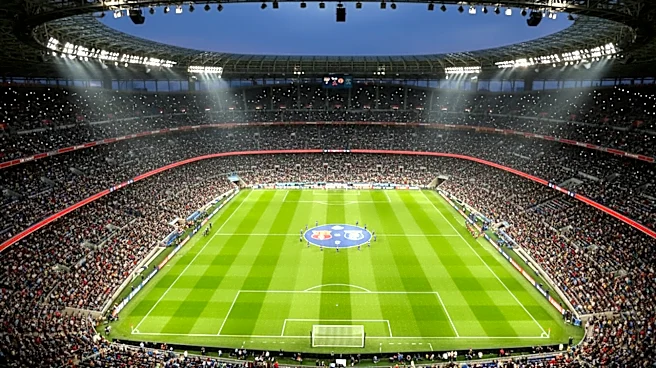










The Grand Finale: New York/New Jersey
All roads lead here. MetLife Stadium, or "New York New Jersey Stadium" for the tournament, was always a top contender for the final, and now it's set to host the biggest game in world football on July 19. Its 82,500-seat capacity and location just outside
the world's biggest media market make it the perfect stage. As the tournament has progressed, the anticipation for this finale has only grown. For TV viewers, the narrative is irresistible: a champion will be crowned in the shadow of the Manhattan skyline, creating iconic images that will define this World Cup for decades. It has already hosted several high-stakes matches, setting the stage for a dramatic conclusion.
The Texas Megaplex: Arlington
If one venue embodies the 'bigger in Texas' mantra, it's the stadium in Arlington. Temporarily renamed "Dallas Stadium," this home of the Dallas Cowboys is hosting nine matches, the most of any venue in the tournament. Its sheer size, futuristic retractable roof, and massive, high-definition video board were designed for spectacle, making it a dream for television broadcasts. It’s hosting a crucial semi-final, ensuring it will play a major role in the tournament's climax. The venue isn't just big; it's a self-contained city of sports, designed to overwhelm the senses in person and translate that energy through the lens. FIFA's international broadcast center is even located in Dallas, acting as the nerve center for sending game images to the world.
The Modern Marvel: Los Angeles
Arguably the most technologically advanced stadium on the planet, the venue in Inglewood near Los Angeles is a visual feast. Its signature feature is the 'Infinity Screen,' a 70,000-square-foot, 4K, dual-sided video board that hangs from the roof, ensuring no fan—or camera—misses the action. The translucent roof not only allows for an indoor-outdoor feel but also has LED lights that can project images visible to planes flying into LAX. This stadium isn't just hosting games; it's a content-creation machine, perfectly suited for the Hollywood market it calls home and providing stunning visuals that make broadcasts feel like a blockbuster movie.
The Southern Showcase: Atlanta
Atlanta's downtown stadium has quickly become a fan and media favorite during the tournament, praised as one of the best experiences for visiting supporters. Known for its unique camera-aperture-style retractable roof and a 360-degree 'Halo' video board, the stadium is a modern architectural icon. The venue has been a hit with international fans, thanks to its air conditioning and famously affordable concessions, creating a buzzing, positive atmosphere that comes across clearly on TV. As a semi-final host, Atlanta's stadium will be at the center of the football world, showcasing a city with a deep and passionate soccer culture.
The Sound and Fury: Kansas City
While other stadiums boast architectural wonders, Kansas City's venue—normally called Arrowhead—brings something different: pure, unadulterated noise. Long certified as one of the loudest outdoor stadiums in the world for American football, it has successfully translated that intimidating, passionate energy to the World Cup. Fans have packed the stadium, creating a deafening roar that provides a visceral, electric soundtrack to the matches. For the TV audience, that sound is a powerful indicator of the passion on display, making the games feel incredibly intense and reminding everyone that sometimes the most 'massive' feature of a stadium is the spirit of the fans inside it.