
More Than Just Green Skin
For decades, convention-going was synonymous with cosplay, the art of dressing as a character from a movie, book, or video game. The focus was often on sewing and prop-making. But in recent years, the emphasis has shifted dramatically. The face and hair
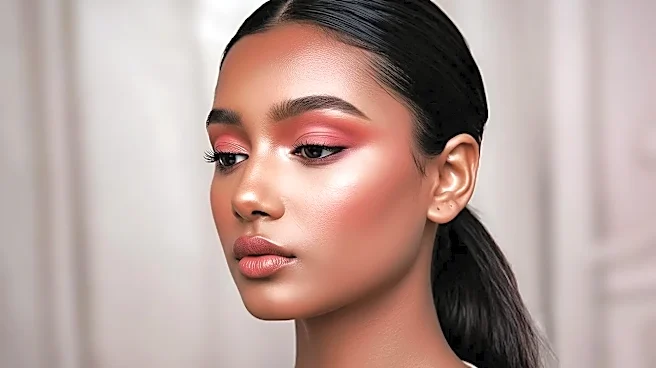
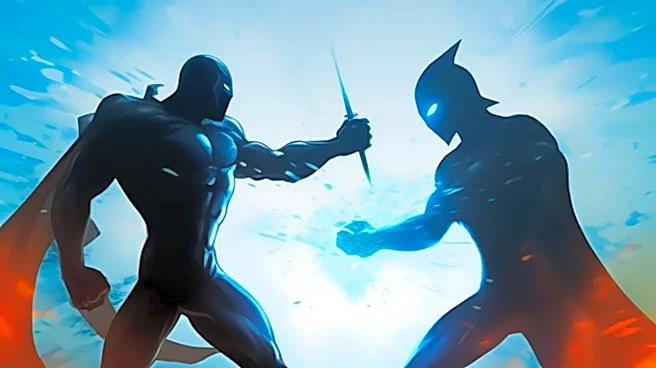
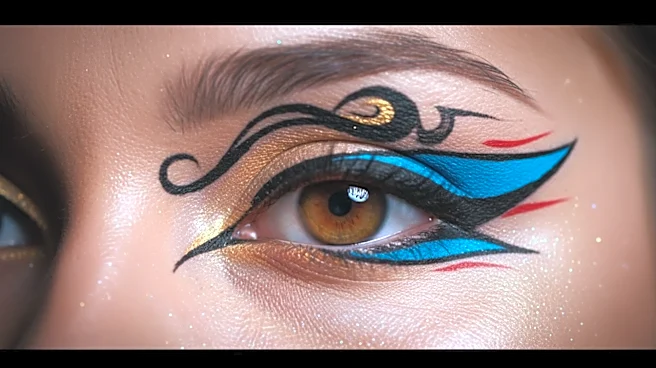
have become the final frontier of creativity. Intricate makeup, custom prosthetics, and elaborate special effects are no longer reserved for Hollywood. Now, dedicated fans spend months learning how to replicate the ethereal glow of an elf, the scarred visage of a warrior, or the otherworldly look of an alien. Beauty, in this context, isn't about looking “pretty” by conventional standards; it’s about becoming a living, breathing piece of art that tells a story. This move from simple costume to full-body transformation marks a significant evolution in fandom.
The Convention as a Safe Space
Why do these specific gatherings foster such bold experimentation? Sociologists refer to places like conventions as “third spaces”—locations outside of home and work where community is built. For many, they are safe zones where the rules and judgments of everyday life are suspended. Surrounded by thousands of people who share the same passions, there’s a collective permission to be different. This environment reduces the social risk associated with bold self-expression. You can try on a different gender identity for a day (“crossplay”), explore a powerful, aggressive persona you couldn't in the office, or simply walk around with blue skin without anyone batting an eye. This temporary liberation from social norms is a key reason why conventions have become such powerful laboratories for identity.
From Character to Concept
Perhaps the most fascinating development is the move beyond one-to-one character replication. Increasingly, convention beauty is about interpretation, not just imitation. Attendees are creating original characters within their favorite universes, designing gender-swapped versions of iconic heroes, or mashing up different genres—think “Jedi knight in a Victorian ballgown.” Here, beauty becomes a tool for commentary and personal storytelling. By altering a known character, the cosplayer is inserting their own identity, perspective, and creativity into a shared cultural text. The question is no longer just “Who are you dressed as?” but “What story are you telling with this look?” This is identity play in its most sophisticated form, using a pop-culture framework to explore the self.
A Live-Action Social Feed
The rise of visual social media platforms like TikTok and Instagram has supercharged this trend. These platforms act as both a classroom and a stage. Aspiring artists can find endless tutorials on complex techniques, from blending the perfect galactic nebula on a cheekbone to applying elf ears. Then, the convention floor itself becomes a place to showcase that work, collect content, and gain validation from a global community of peers. The lines blur between the physical event and the digital fandom. This feedback loop encourages an ever-escalating cycle of creativity, as artists one-up each other with more innovative, personal, and technically brilliant beauty creations, knowing their work will be seen far beyond the convention walls.