





The Anatomy of a Red Carpet Moment
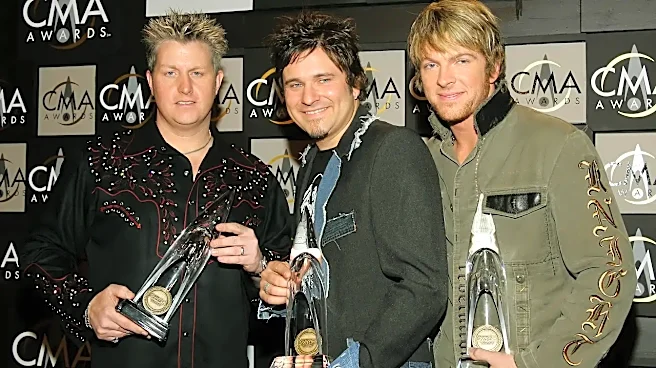
Picture the scene: a country music superstar steps onto the Nashville red carpet. Flashbulbs pop. Her gown, a cascade of midnight velvet, is illuminated by what looks like a constellation of crystals, each one meticulously stitched into a swirling, celestial
pattern. The TV hosts rave, the social media posts go viral, and every caption credits the powerhouse design label. It's a 'fashion moment.' But the hands that spent hundreds of hours applying those beads, the artisans who translated a sketch into a three-dimensional work of art, remain completely invisible. This isn't just an oversight; it's a systemic failure in how we talk about fashion. We've been trained to see the brand, not the craft.
More Than Just a 'Detail'
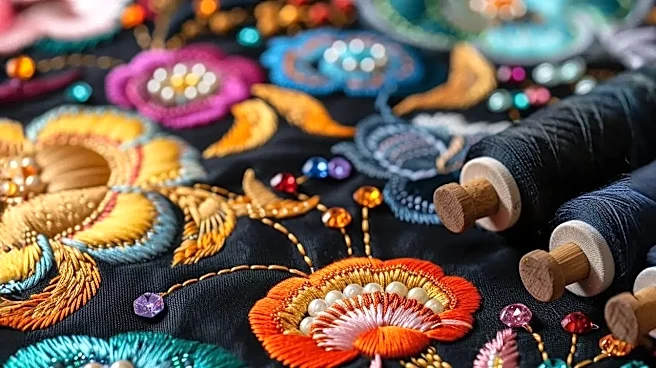
Couture-level embroidery, beading, and textile work are not minor details; they are often the very soul of a garment. These techniques are what separate a beautiful dress from a breathtaking piece of art. Hand-beading and embroidery are painstaking processes that require immense skill, patience, and a deep understanding of fabric and form. A single garment can require hundreds, if not thousands, of hours of labor from a team of specialized artisans. Yet, in the breathless coverage of red carpet glamour, this artistry is reduced to a footnote. By crediting only the celebrity and the lead designer, we implicitly suggest that this incredible labor is secondary, a mere component rather than a defining creative act.
An Industry-Wide Blind Spot
This issue extends far beyond the CMAs. From the Oscars to the Met Gala, the fashion industry has long prioritized the 'name' over the 'hands.' While stylists are slowly gaining more public recognition for their role in crafting a celebrity's image, the actual makers remain largely anonymous. We wouldn't watch a film and credit only the studio, ignoring the director, cinematographer, and actors. So why do we do it with fashion? Designers like Rachel Scott of Diotima and Emily Adams Bode Aujla of Bode are celebrated for making craftsmanship central to their brands, often working with and highlighting artisan communities. But this ethos needs to become the industry standard, not the exception. The 'invisible labor' behind the beauty is a story worth telling.
Giving Credit Where It's Due
The shift is simpler than it seems. It starts with a question. When a publicist sends out press materials for a red carpet look, they should include the names of the key artisans or the embroidery house, like Maison Lesage, which was famously acquired by Chanel to preserve its craft. Red carpet reporters can expand their vocabulary beyond 'Who are you wearing?' to 'Who did the incredible beadwork?' And celebrities and their stylists, who wield enormous influence, can take the lead by tagging and naming the craftspeople in their social media posts. This small act doesn't diminish the designer's vision; it enriches it. It provides a more complete, honest, and respectful story of how beauty is made, celebrating every artist who contributed to the final masterpiece.