




What Is a 'Trap Match'?
In soccer, especially at a high-pressure tournament like the World Cup, a 'trap match' isn’t just any upset. It’s a specific flavor of disaster. It’s a game a powerhouse team is widely expected to win, often with ease, against a much weaker opponent.
The 'trap' is the set of circumstances surrounding the game that lulls the favorite into a fatal sense of security, leading to a shocking loss or a humiliatingly close call. It’s not about one team being better on the day. It’s about one team failing to show up with the required mental intensity because the game *feels* like a foregone conclusion. The opponent is seen as a speed bump, not a roadblock. The points are already mentally banked. But in sports, assumed victories are the most dangerous kind. The trap is sprung when the underdog smells blood, plays with a desperate, nothing-to-lose intensity, and the favorite can’t find the gear shift to respond before it’s too late.
The Hockey Fan's Translation
Okay, let's put this in terms every hockey fan understands. Imagine it's late February. Your team is a Presidents' Trophy contender, a wagon that’s been steamrolling the league. You have a huge rivalry game against your fiercest divisional foe on Saturday night. But first, you have to play a road game on a Tuesday against a rebuilding team that's 25 points out of a playoff spot.
That Tuesday game? That’s the trap. Your star players are maybe thinking about the Saturday showdown. The intensity in practice has been geared toward the big rival. The two points against the league’s basement-dweller feel like a formality. Meanwhile, for that struggling team, playing the best in the league is their Stanley Cup Final. Their goalie stands on his head, their fourth-liners are hitting everything that moves, and their one skilled rookie scores a highlight-reel goal. Your team is playing at 70% effort, and by the time they realize they’re in a real fight, they're down 3-1 in the third period. That is the exact anatomy of a trap game, hockey-style.
The Three Key Ingredients
Trap matches aren't random; they have a recipe. First, you need complacency. The favored team reads their own press clippings and believes the match is won before kickoff. Second, you need a scheduling squeeze. The trap match is often sandwiched between two massive, emotionally draining games. It could be after a huge victory or, as is common in hockey, right before a major rivalry game. The focus is simply elsewhere. Third, you need a motivated underdog. The lesser team isn't just happy to be there; they see a historic opportunity. They play a disciplined, defensive, and frustrating style, hoping to capitalize on the one or two chances they get. For them, a 0-0 score in the 70th minute is a massive victory, while for the favorite, it’s a source of mounting panic.
Classic Cases on Pitch and Ice
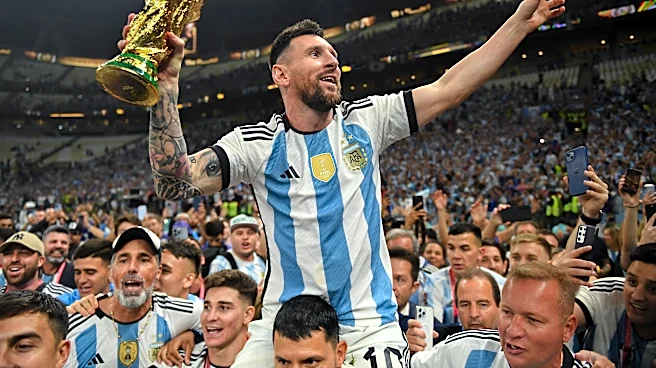
The World Cup is littered with the skeletons of teams that fell into the trap. The 2022 tournament began with one of the most stunning examples in history when Saudi Arabia, a massive underdog, defeated eventual champion Argentina. Lionel Messi and company were on a 36-game unbeaten streak and were everyone’s pick to cruise through the group. They scored early, had several goals disallowed by a razor-thin offside margin, and then got punched in the mouth by a hyper-motivated Saudi team in the second half. It was a textbook trap.
Think of the 2002 opener, when defending champion France, featuring legends like Thierry Henry and Zinedine Zidane, lost 1-0 to Senegal, a team making its World Cup debut. The hockey equivalent is that powerhouse NHL team losing in regulation to the Arizona Coyotes, a loss that makes no sense on paper but makes perfect sense when you factor in the human elements of fatigue, overconfidence, and a lack of perceived stakes.