


The Ghost of Allen Iverson
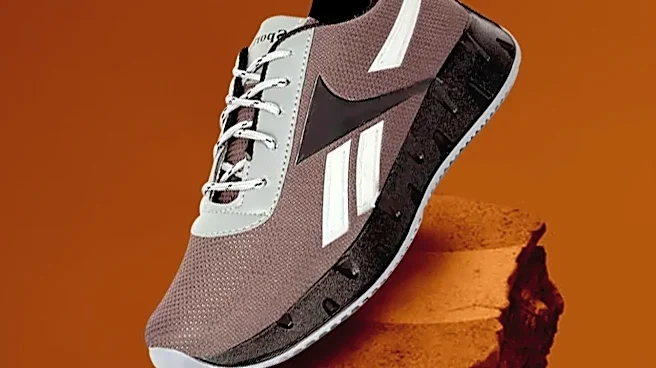
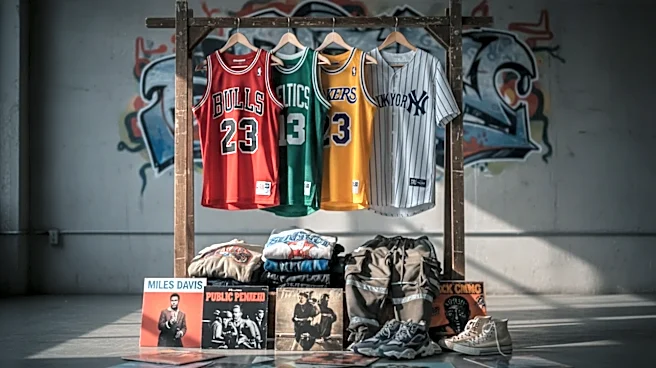
You can’t talk about 90s basketball style without talking about Allen Iverson, and you can’t talk about Iverson without talking about Reebok. His signature shoe, the Reebok Question, wasn't just footwear; it was a cultural statement. It represented a fusion
of on-court dominance and off-court swagger that changed the league. Today, that legacy is everywhere. Modern players and front-row celebrities are lacing up retro Reeboks, particularly the Question and Answer series, nodding to an era when hip-hop and basketball cultures became indistinguishable. Iverson was one of the first true athlete influencers, bridging the gap between pro sports and street style. When a modern star rocks a pair of vintage Reeboks, they're not just wearing a sneaker; they’re channeling the unapologetic authenticity that Iverson brought to the game and the culture surrounding it.
For Us, By Us, For Everyone
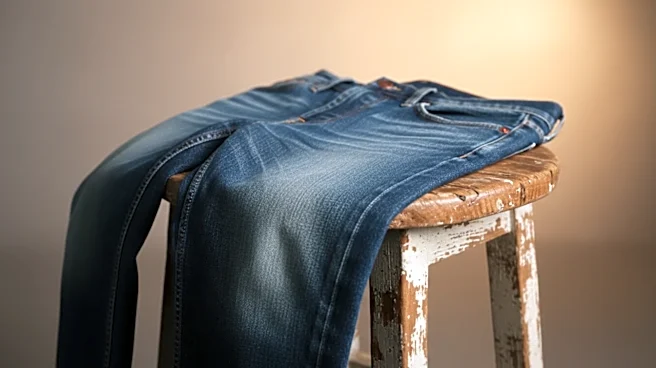
Long before brand collaborations became standard, FUBU—“For Us, By Us”—was a movement. Started by four friends in Queens, the label redefined streetwear by making clothes that spoke directly to the hip-hop community. In its late-90s heyday, the FUBU logo was a ubiquitous symbol of Black entrepreneurship and cultural pride, seen on everyone from LL Cool J in a Gap commercial to Mariah Carey and members of *NSYNC. While you might not see the bold FUBU logos of yesterday as frequently, its DNA is all over modern courtside looks. The baggy silhouettes, the focus on denim, and the jersey-inspired tops that dominate today’s high-fashion streetwear all owe a debt to FUBU's pioneering vision. The brand's return to the runway signifies a renewed appreciation for its legacy—a recognition that its ethos of authenticity is more relevant than ever.
The Return of the Velvet Rope
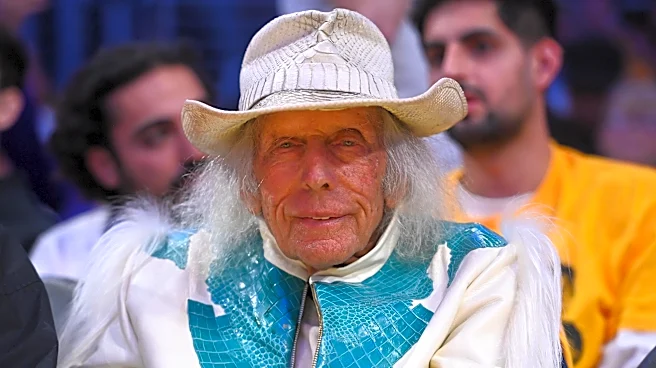
Nothing says early 2000s celebrity quite like a velour tracksuit. Popularized by brands like Juicy Couture, it became the off-duty uniform for a generation of stars like Paris Hilton, Jennifer Lopez, and Britney Spears. It was the perfect blend of casual comfort and unapologetic glam. For years, it was dismissed as a relic of a flashier, less-refined time. But now, it's back. The plush, tactile fabric is being reinterpreted in modern silhouettes, seen on a new wave of celebrities who appreciate its blend of irony and luxury. Today's velour isn't always a head-to-toe matching set; it might be a single pair of track pants paired with a structured blazer or a cropped hoodie styled with high-end accessories. The return signals a shift toward what some call "dopamine dressing"—choosing clothes that are bold, fun, and feel good to wear.
Why Now? The 20-Year Style Cycle
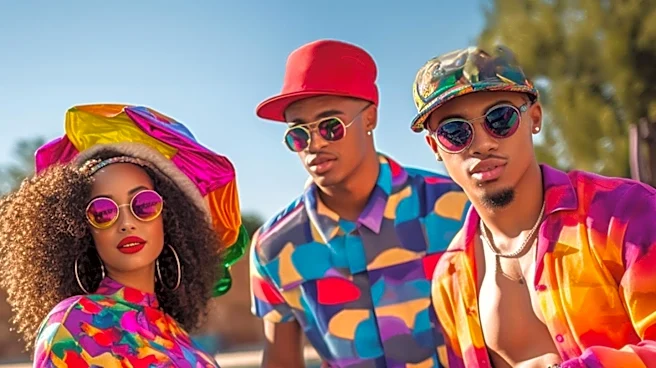
The resurgence of these specific trends isn't random; it's a textbook example of fashion's cyclical nature. Trends often reappear every 20 to 30 years, giving a new generation a chance to discover and reinterpret them. For Gen Z, who were infants or not yet born when FUBU and velour first peaked, these styles feel fresh and exciting, not dated. Social media platforms like TikTok and Instagram have accelerated this cycle, turning niche nostalgia into global trends overnight. This Y2K revival is also rooted in a deeper cultural longing for a perceived simpler time—an era before social media saturation and global crises. The fashion of the late 90s and early 2000s was defined by a certain optimism and playful experimentation, a spirit that resonates strongly in today's complex world.