





The Anatomy of a Scream
When a scare actor lunges from the shadows, your brain doesn't have time for a nuanced debate about whether the threat is real. It defaults to its ancient, hardwired survival manual. The amygdala, your brain's threat detector, immediately sounds the alarm.
This triggers the sympathetic nervous system's fight-or-flight response, flooding your body with stress hormones like adrenaline and cortisol. Your heart pounds, your muscles tense, and you let out a scream—a primal, physical reaction designed to startle a predator and alert your tribe to danger. This cascade of chemicals is designed to prepare you for immediate, decisive action. It’s a powerful, all-encompassing physiological event that’s been honed by millennia of evolution to keep you alive in the face of genuine threats.
From Terror to Giggles: The Relief Theory
The key to the scream-laugh phenomenon is what happens next. As the scare actor retreats and you register the fake blood and elaborate set, your prefrontal cortex—the logical, reasoning part of your brain—catches up. It assesses the situation and sends an "all clear" signal. The threat wasn't real. You’re safe. Your brain is now swimming in a cocktail of stress hormones with no actual danger to fight or flee from. This buildup of nervous energy needs to go somewhere. According to what psychologists call "relief theory," laughter is the brain's pressure-relief valve. It serves as a physical release for the pent-up tension, effectively burning off the excess adrenaline and signaling to your body and everyone around you that the crisis has passed. That sudden, explosive laughter is the sound of your brain down-regulating from peak terror to profound relief.
A Chemical Reward for Surviving
The transition from fear to fun isn't just about releasing tension; it's also about reward. When your brain recognizes you’ve survived the (fake) threat, it releases a flood of endorphins. These are the body's natural opioids, powerful chemicals that relieve pain, reduce stress, and produce a feeling of pleasure or even euphoria. This endorphin rush is what creates the "high" that follows a good scare. It's the same neurochemical process that contributes to a "runner's high" after intense exercise. Your brain is essentially rewarding you for navigating a stressful situation. This chemical cocktail, a mix of leftover adrenaline and fresh endorphins, creates a unique state of giddy, energized excitement. It’s what makes the experience of controlled fear not just tolerable, but actively enjoyable for many people.
Why We Pay to Be Petrified
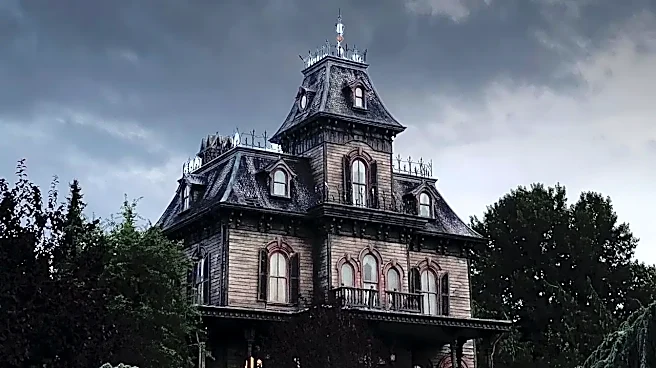
This whole process explains why attractions like Halloween Horror Nights are so popular. They are masterful exercises in what researchers call "benign violations." The experience violates your sense of safety and well-being, but in a way that your brain ultimately knows is harmless. You get to experience the physiological thrill of genuine danger—the pounding heart, the adrenaline surge—without any of the actual risk. And because you often go with friends, the laughter becomes contagious, reinforcing the social bond and the shared understanding that it’s all in good fun. It's an emotional rollercoaster by design, one that taps into our most primitive survival instincts and flips them into a source of entertainment. The laughter is the final, crucial part of the ride, transforming a moment of pure terror into a hilarious memory.