





An Unlikely Fashion Star
Before it was the stuff of high-fashion bikinis, neoprene was a purely utilitarian material. Invented by DuPont scientists in the 1930s, this synthetic rubber was celebrated for its resistance to oil, heat, and weathering. Its most famous application,
of course, was the wetsuit. Its dense, spongy structure traps a thin layer of water that the body heats up, providing crucial insulation for surfers and divers. For years, that’s where it stayed: in the world of high-performance gear, not high fashion. Its inherent stiffness, bulk, and industrial feel were seen as liabilities, not assets. The idea of using it for something as delicate and body-conscious as a swimsuit seemed not just impractical, but absurd. Fashion was about drape and flow; neoprene was about protection and rigidity.
Sculpture for the Beach
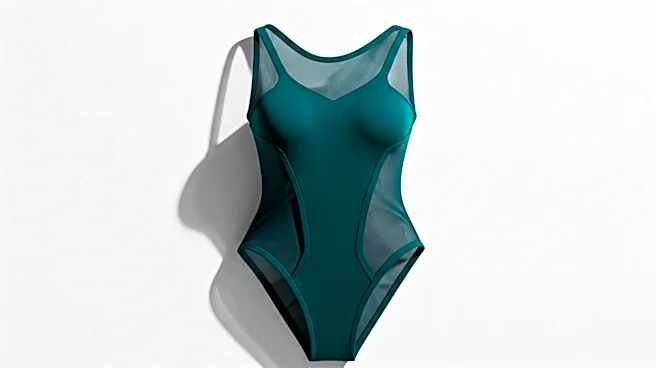
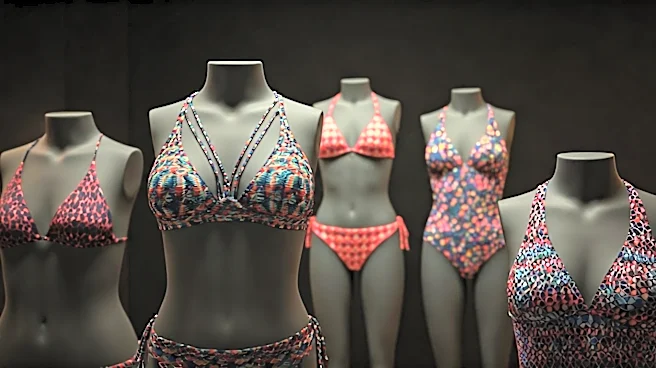
The paradigm shift occurred in the early-to-mid 2010s. A few forward-thinking designers began to question the assumption that swimwear had to be soft and pliable. What if, they wondered, a swimsuit could have its own architecture? This is where neoprene’s ‘flaws’ became its greatest strengths. Unlike traditional nylon-Lycra blends that rely on the body for their shape, neoprene has its own structural integrity. It can be molded, seamed, and sculpted to create forms that stand away from the body. Suddenly, designers could create bandeau tops that wouldn't sag or roll, bottoms with a smooth, firm hold, and bikini tops with built-in, bra-like shaping without the need for traditional underwires or padding. Brands like Australia’s Triangl built an entire empire on this concept, selling millions of their iconic, color-blocked neoprene bikinis to a generation hungry for something bold and new. The material turned the swimsuit from a mere covering into a piece of wearable sculpture.
The Color Pop Effect
Structure wasn't the only revolution neoprene brought to the beach. The material also completely changed the color game. Its closed-cell foam construction doesn't absorb dye in the same way as woven or knit fabrics. Instead, colors sit on the surface with an unparalleled vibrancy and saturation. This quality made neoprene the perfect canvas for the bold, graphic trends of the 2010s. Designers embraced stark color-blocking, often outlined with thick black seams, creating a visual language that was instantly recognizable. The electric pinks, neon yellows, and oceanic blues of neoprene swimwear popped against sand and skin in a way that traditional fabrics simply couldn't replicate. The material didn’t just feel different; it looked different, broadcasting a modern, sporty, and confident aesthetic that defined the era's swimwear trends.
The Lasting Legacy of Structure
While the craze for head-to-toe neoprene has subsided, its influence on swimwear design is permanent. Neoprene forced the industry to think beyond flimsy triangles of fabric. It proved there was a market for swimwear that offered support, shape, and a more architectural silhouette. The mindset it created—that swimwear can and should be structural—has endured. Today, we see its legacy in the rise of more substantial, compressive swim fabrics that offer a similar smoothing and shaping effect. We see it in the popularity of underwire tops, boned one-pieces, and high-waisted bottoms designed to sculpt and support. Neoprene was the catalyst. It may have started as a trend, but it ended up fundamentally expanding the definition of what a swimsuit could be, teaching designers and consumers alike to appreciate the power of a well-structured form.