


It's a Narrative, Not a Playlist
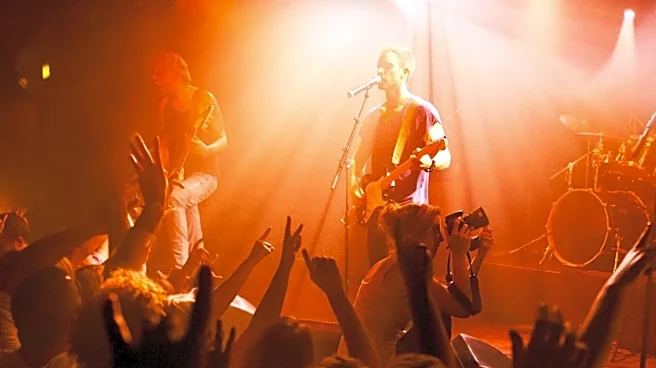
The first thing to understand is that a festival set is a story. Artists and their production teams don't just string together their most popular tracks; they craft a narrative with a distinct beginning, middle, and end. Thinking of the setlist as a movie
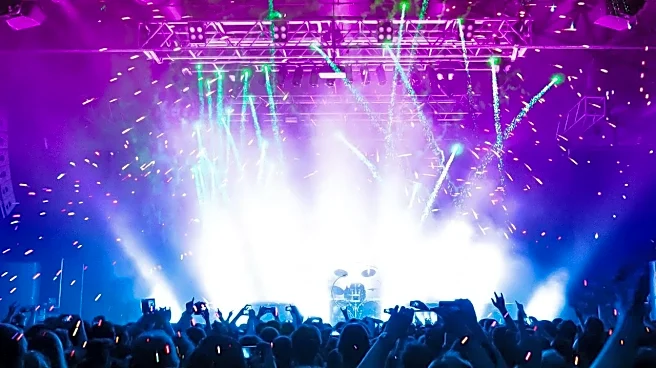
script helps explain the pacing. You need an attention-grabbing opener, a rising action, moments of tension and release, and a climatic finale. A massive production moment—whether it's a confetti cannon, a stunning visual on the LED screens, or a surprise guest—has to serve that story. Dropping a full-scale firework display on a quiet, introspective ballad would be narrative nonsense. The big moments are exclamation points, not random acts of spectacle.
The Unspoken Contract with the Crowd
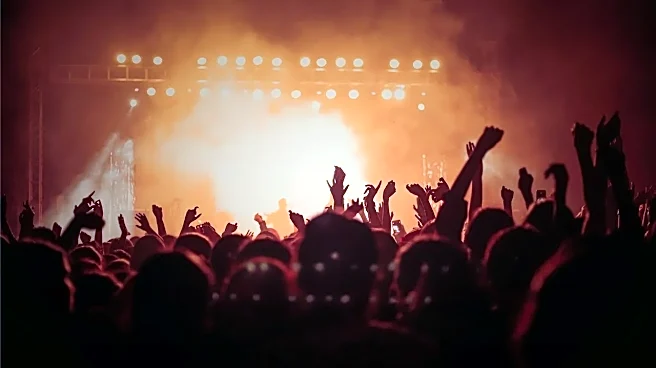
Every festival-goer arrives with expectations. For headliners, there's an unspoken agreement to play the hits. These are the songs that fueled singalongs on the radio, anchored movie soundtracks, or became the soundtrack to a thousand road trips. As a result, these universally recognized anthems are the most natural candidates for a huge production moment. They provide a shared language for a diverse crowd of tens of thousands. When an artist invests heavily in the production for a song everyone knows, they're rewarding the audience and guaranteeing a communal experience. It’s the safest and often most effective bet for creating a lasting memory that sends fans home buzzing.
The Money and the Machine
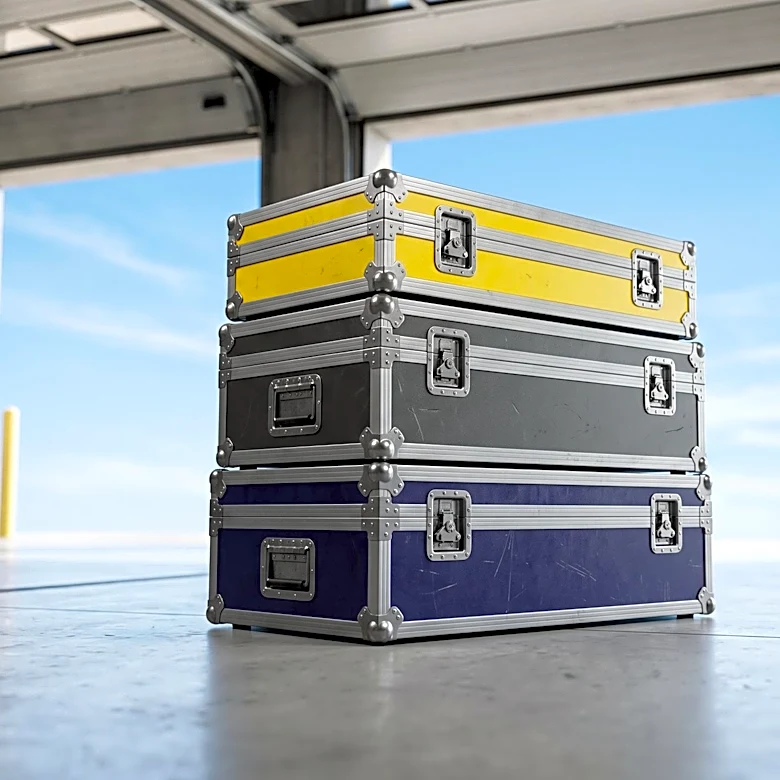
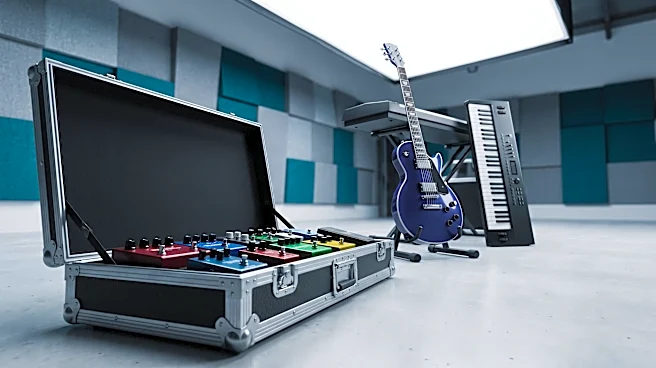
Creativity has to coexist with reality. A band playing a 2 p.m. slot on a smaller stage simply doesn't have the same resources—or darkness—as a 9 p.m. headliner on the main stage. Pyrotechnics, intricate lighting rigs, and custom-built set pieces are expensive and logistically complex. The decision often comes down to budget and feasibility. A headliner's fee includes the expectation of a large-scale show, so more of the budget is allocated to production. Furthermore, what works at night doesn't work in daylight. An elaborate laser show is wasted under the Texas sun, making daytime sets rely more on raw energy, stage presence, and perhaps simpler visuals like banners or choreographed movements.
The Artist's Choice and the Bold Statement
Sometimes, the big moment isn't for the most obvious hit. An artist might choose to pour their production budget into a newer song they're passionate about, effectively using the festival stage as a high-stakes testing ground. If a new track with massive visual backing connects with 75,000 people, it can catapult the song into a new stratosphere. It’s a gamble, but it can pay off hugely. Other times, an artist might elevate a 'deep cut'—a song beloved by hardcore fans but less known to the general public. Giving this track the full production treatment is a nod to their most loyal supporters, a reward for those who have followed their entire journey.
Building to the Grand Finale
The structure of a setlist often follows a high-low-high pattern to maintain audience energy. After an engaging start and a varied middle section, the show builds toward its climax. The final one or two songs before the encore, and the encore itself, are the performance's lasting impression. This is where artists often deploy their biggest production guns. The goal is to create an unforgettable peak experience that defines the entire show. Whether it's the explosive chorus of a rock anthem or the emotional crescendo of a pop power-ballad, the finale is designed to be the moment everyone is still talking about as they stream out of the park.