






Welcome to The Arconia
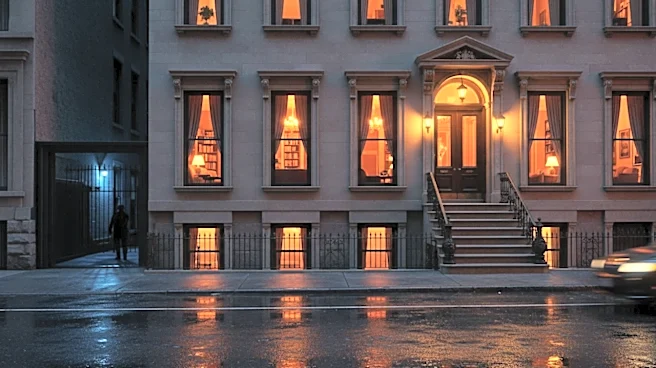
The magic of the show’s atmosphere begins and ends with its central location: the Arconia. This grand, pre-war apartment building on the Upper West Side isn't just a setting; it's a character in its own right. For the show's exterior shots, producers
use The Belnord, a real, landmarked building known for its block-spanning size and magnificent interior courtyard. Show co-creator John Hoffman has said he knew the series needed a home with enough history and elegance to hold a world of mystery and intrigue. Inside the Arconia (filmed on meticulously designed soundstages), the world is one of detailed, character-specific apartments, a stunning lobby, and a palpable sense of history. It feels like a self-contained universe where neighbors know each other, for better or worse, creating the 'cozy' in the show's 'cozy mystery' formula. This is a New York where community feels not just possible, but inevitable.
Crafting the Cozy
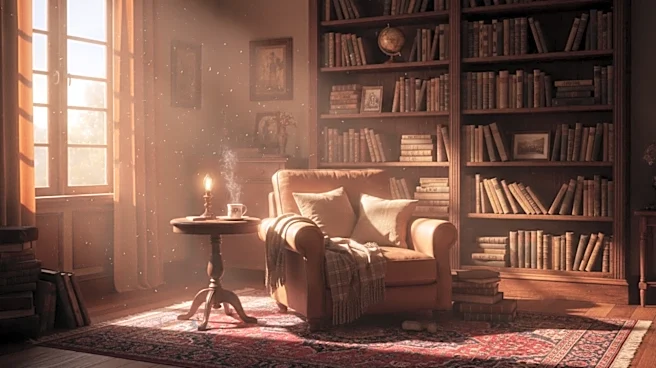
The show leans heavily into what has been dubbed the 'cozy mystery' genre. Everything from the autumnal color palette and the characters' enviable sweater collections to the witty, fast-paced banter between stars Steve Martin, Martin Short, and Selena Gomez contributes to this feeling. The cinematography itself, inspired by classic films, often favors warm, practical lighting over the bright, flat look of a typical comedy. The score, which composer Siddhartha Khosla built around the theme of loneliness finding connection, uses quirky elements like paint buckets to create a sound that is both melancholy and bouncy. This isn't the cold, anonymous New York of police procedurals. It’s a city rendered as a warm, inviting, and knowable community, where the biggest drama might be a dip shortage at a building meeting—if not for the murders, of course.
A Shadow in the Courtyard
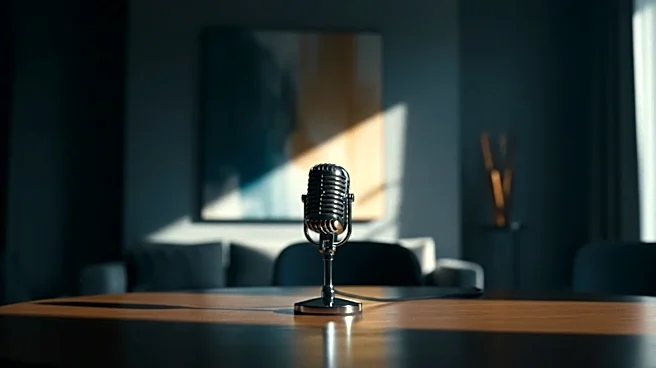
For all its warmth, the Arconia is also a place of immense danger. The show masterfully undercuts its own comfort by weaving in the dark threads of a classic whodunit. The very premise—three true-crime podcast fans starting their own podcast to investigate a death in their building—injects paranoia into the cozy setting. Suddenly, every quirky neighbor is a potential suspect, and every charming detail of the old building, from secret passageways to dumbwaiters, becomes a potential clue or threat. This juxtaposition is the show's secret weapon. The danger feels more acute because it's happening in a place that should be safe. The murders aren't random street crimes; they are intimate betrayals happening within the walls of a supposedly tight-knit community, making the mystery all the more compelling.
The Perfect Paradox
Ultimately, the show’s appeal lies in its refusal to choose between cozy and dangerous. It insists on being both at once. It presents a fantasy version of New York City life that many viewers find irresistible: the beautiful architecture, the intellectual and artistic residents, and a strong sense of community, but with the added thrill of a high-stakes mystery. It taps into the very real duality of urban living, where you can feel deeply connected to the people on your floor while also wondering what secrets they keep behind closed doors. The show validates the idea that even in a city of millions, you can find your small tribe, while also acknowledging the anxieties that are an inherent part of living so close to so many strangers. It's a fantasy, but it’s rooted in a recognizable truth about the allure of city life.