






Embrace Historically Motivated Light
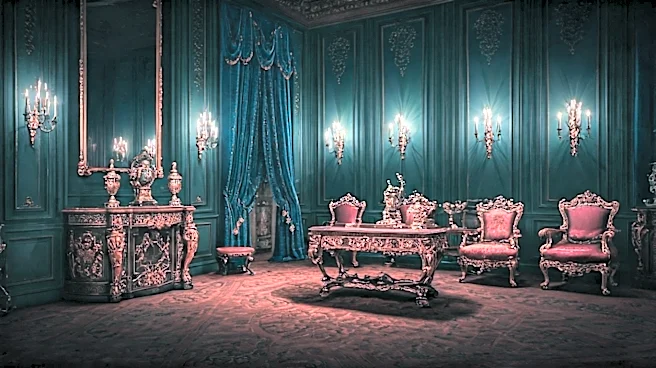
Before electricity, light came from three places: the sun, the moon, and fire. An “expensive” look leans into this reality. Instead of flooding a set with uniform brightness, masterful cinematography uses motivated lighting—light that appears to come
from a real source. Think of the way Stanley Kubrick shot Barry Lyndon, a film set in the 18th century, using custom-built, ultra-fast lenses to film scenes lit by nothing but candles. The result is an image that feels like an 18th-century painting come to life, with a soft, flickering glow that feels more authentic and opulent than any digital effect. For daytime interiors, this means shaping the natural light pouring through a window, letting it fall off into deep, natural shadows.
Learn to Love Negative Fill
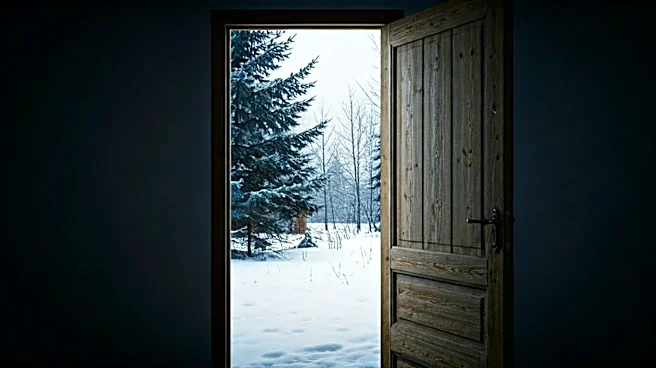
One of the biggest giveaways of a low-budget look is flat, unshaped lighting. To create depth and richness, cinematographers often take light away. This technique, called "negative fill," involves using large black flags or boards to absorb ambient or reflected light. Instead of filling in every shadow on an actor's face, negative fill carves them out, creating dramatic contrast and a sculpted, three-dimensional look. This is how you get that moody, painterly quality where a character feels chiseled by shadow, making the image instantly feel more intentional and valuable. It’s about controlling the darkness as much as the light.
Texture is the New Richness
Gold tones flatten everything into a single idea of "the past." A truly expensive-looking image is bursting with texture. A great cinematographer will use light to pick out the specific details of the period: the rough weave of a woolen coat, the oily grain of a wooden table, the subtle imperfections in hand-blown glass, the grime on a city street. This commitment to physical detail grounds the world in reality. As seen in the production of The Revenant, which relied almost entirely on natural light, the texture of costumes and props was essential to ensuring they looked authentic under the sun. Choosing the right lenses and angling the light to skim across surfaces can make a simple set feel tactile and immersive, which the audience perceives as high production value.
Develop a Deliberate Color Palette
Instead of a single, lazy color wash, a sophisticated period piece uses a deliberate color palette to tell its story. For 1776, this doesn’t mean just brown and gold. It means considering the world’s actual colors: the deep blues and reds of military uniforms, the stark off-white of linen shirts, the muted greens and grays of a colonial landscape under an overcast sky. A cinematographer might choose a desaturated palette for scenes of hardship and then introduce rich, vibrant colors in moments of passion or wealth. For instance, night scenes can be rendered in a cool, deep blue to represent moonlight, contrasted with the vibrant, warm orange of firelight from a hearth or torch. This use of color theory provides emotional context and visual variety, making the world feel far more complex and real.