






Feel the Weight of History
The first thing to look for in a quality rugby shirt is the fabric. A true rugby is made from a heavy-gauge cotton jersey. If you can hold it up and it feels substantial, with a density that promises durability, you're on the right track. This isn't just
for show; it’s a direct link to the shirt's origins on the 19th-century English rugby pitch. Early versions were made to withstand brutal tackles and relentless tugging in a scrum. That inherent toughness is what gives the shirt its character. Cheaper versions often use thin, flimsy cotton or synthetic blends that feel more like a standard long-sleeve tee. An authentic rugby shirt has heft, a quality that ensures it won't just last, but will also break in beautifully over time, much like a favorite pair of jeans.
A Collar That Stands on Its Own
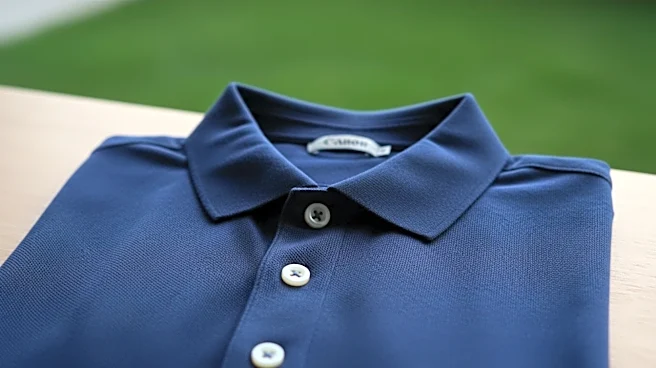
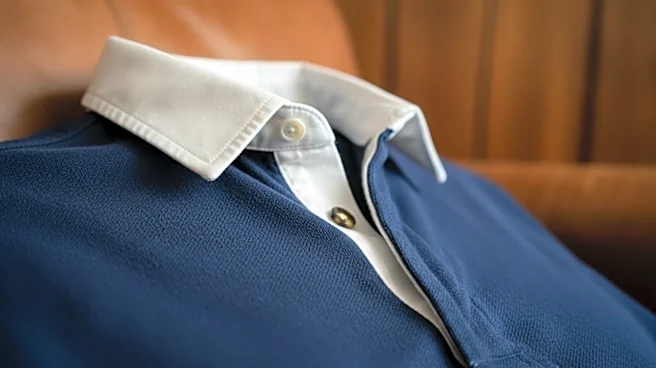
The collar is arguably the most defining feature of a classic rugby shirt. Look for a crisp, sturdy collar made from a contrasting woven cotton twill. This feature was originally designed to prevent the collar from stretching out during play. A well-made collar has enough structure to be popped and stay up without looking stiff or awkward. It provides a frame for the face and adds a touch of polish that elevates the shirt above a simple sweatshirt. Many lesser-quality shirts will have a collar made from the same soft jersey as the body, causing it to flop and lose shape after a few washes. The sturdy twill collar is a non-negotiable hallmark of authenticity, providing a visual and textural contrast that defines the entire garment.
It's All in the Placket
Look closely at the three-button opening at the neck, known as the placket. On a traditional rugby, this area is reinforced to handle the stress of the game. The most authentic versions feature rubber buttons, a detail born from a practical need to prevent injuries to players during rough contact. While some modern interpretations use other materials or hide the buttons entirely for a cleaner look, the presence of rubber buttons is a clear nod to the shirt's heritage. This small, functional detail is one of the easiest ways to spot a garment that respects its own history. It’s a subtle signifier that the maker understands the difference between a rugby style shirt and an actual rugby shirt.
The Enduring Appeal of Stripes
While solid-colored rugby shirts are versatile and sharp, the most iconic look features bold, horizontal stripes, often called “hoops.” These weren't originally a fashion choice; they were a practical way to distinguish between teams on a chaotic field before numbered jerseys were common. Today, these stripes are central to the shirt's identity. On a quality shirt, the stripes will be clean, the colors vibrant, and the pattern consistent. Check the seams to see if the stripes line up properly—a small detail that often separates careful craftsmanship from mass-market production. Whether it’s classic team colors or more modern combinations, these hoops carry the visual history of the sport.
Designed to Age, Not to Expire
A great rugby shirt doesn't look its best right off the rack; it earns its charm over years of wear. The heavy cotton softens, the colors fade gently, and the cuffs might even begin to fray. This is the point. Unlike fast-fashion items designed to be replaced, a quality rugby is an investment built to acquire character. The fit should be comfortable—not tight like a performance jersey, but not so baggy that it looks sloppy. It should have the relaxed confidence of your favorite sweatshirt but with a structure that keeps you looking put-together. This durability is the ultimate marker of quality, transforming the shirt from a mere piece of clothing into a personal artifact that tells a story.