





It Starts with the Fiber
The fundamental difference often begins with the raw material. Classic Melton is almost always made from wool. Its name even comes from Melton Mowbray, an English town famous for fox-hunting, where durable, weather-resistant jackets were essential. The wool fibers
are strong and have a natural crimp that's crucial for the next step in its creation. Flannel, on the other hand, is more flexible. While it was originally made from wool in Wales, today's most common flannel is made from cotton. You can also find flannel made from synthetic blends. This distinction is important: flannel is defined not by its fiber content, but by its soft, brushed finish.
The Key Difference: Fulling vs. Napping
Here's where the two fabrics truly diverge. Melton wool gets its signature character from a process called 'fulling'. After being woven, usually in a dense twill weave, the fabric is subjected to heat, moisture, and intense friction. This process forces the individual wool fibers to interlock and mat together, shrinking the cloth and making it incredibly dense. The result is a thick, solid fabric where the original weave is almost completely hidden, creating a felt-like surface that is highly resistant to wind and water. Flannel gets its softness from a much gentler process called 'napping'. After the cloth is woven, fine metal brushes are used to gently raise the fiber ends from the surface. This creates a fuzzy, lofty texture that traps air, which is what makes flannel feel so warm and soft against the skin. Unlike fulling, napping doesn't fundamentally change the density or structure of the base weave; it simply adds a soft finish to it.
Texture, Weight, and Drape
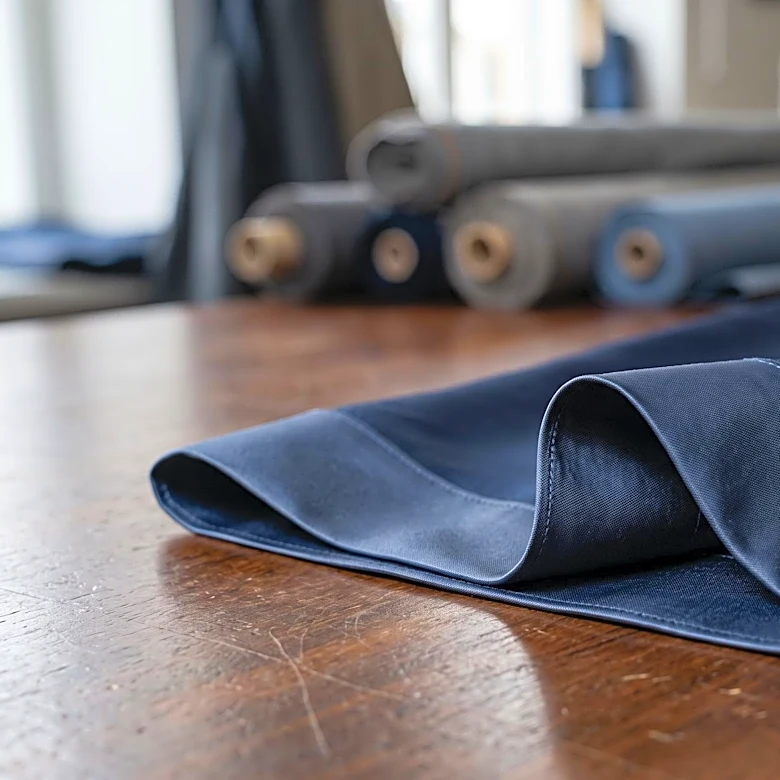
Run your hand over both fabrics, and the difference is immediate. Melton wool is smooth, dense, and firm. It feels substantial and has a stiff structure, which allows it to hold a crisp shape in tailored garments. It has very little drape or stretch. Because the fulling process creates such a tight surface, Melton wool barely frays when cut, making it a favorite for sturdy, unlined coats. Flannel is the opposite. Its napped surface is fuzzy, soft, and inviting. It's much lighter than Melton and has a relaxed drape, making it comfortable for clothing that moves with you. The softness comes at a small cost: the raised fibers that make flannel cozy are also more prone to pilling over time with friction and washing.
Best Use: Outerwear vs. Inner Layers
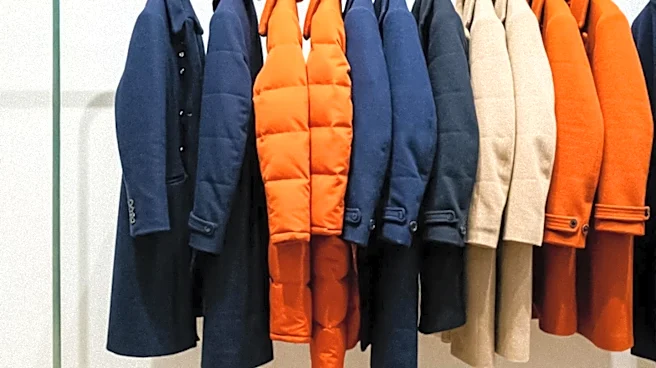
Their unique properties dictate their ideal jobs. Melton wool is a workhorse for outerwear. Its dense, felted structure makes it an excellent shield against cold wind and even light rain, which is why it has been used for centuries in military peacoats, duffle coats, and other heavy jackets. Its job is to protect you from the elements. Flannel, especially cotton flannel, is all about next-to-skin comfort. It's breathable and soft, making it the perfect material for pajamas, casual shirts, bed sheets, and linings for jackets. While warm, it offers little protection from wind or rain. Think of it this way: flannel keeps you warm, while Melton wool keeps the weather out.