





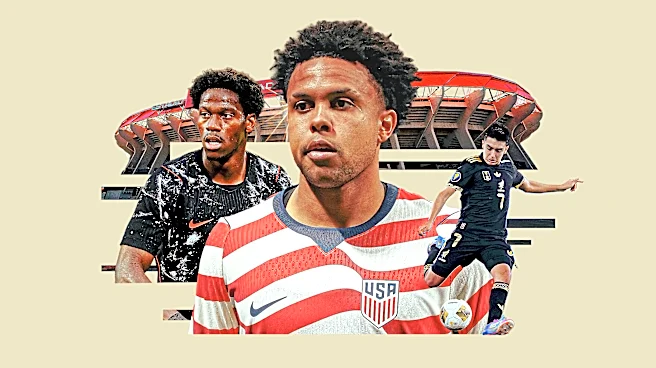




The Gravity of the 'Golden' Label
The phrase itself sounds like a gift, a coronation before the fact. But in reality, being labeled a “Golden Generation” is less of a crown and more of a ticking clock. From the moment it’s uttered, the narrative is set: anything less than a championship
is a monumental failure. This isn’t the gentle pressure of a plucky upstart; it's the suffocating weight of destiny. Every regular-season loss is scrutinized, every playoff stumble is a sign of impending doom, and every player is carrying not just their own expectations, but the hopes of an entire fanbase that has been promised a dynasty. Look at Belgium’s men’s national soccer team from the 2010s, a squad featuring Kevin De Bruyne, Eden Hazard, and Romelu Lukaku. They were immensely talented, but they never quite broke through on the biggest stage, seemingly burdened by the very promise of their own brilliance.
When Inevitability Becomes a Trap
The biggest psychological trap for a team dripping with talent is the belief that talent alone is enough. It fosters a subtle but corrosive complacency. Why grind on defense when you can outscore anyone? Why dive for a loose ball when another scoring chance is just a moment away? This mindset works beautifully until it doesn’t. The moment a Golden Generation faces a team that is disciplined, hungry, and tactically sound, the cracks appear. The 2004 U.S. Men’s Olympic basketball team is the quintessential example. A roster of NBA stars including Allen Iverson and Tim Duncan was expected to waltz to a gold medal. Instead, they took home a bronze, outplayed by more cohesive, hungrier teams like Argentina. They learned the hard way that a collection of brilliant individuals doesn't automatically make a brilliant team. Talent creates a high floor, but it doesn't build the championship ceiling.
The Hunger That Unites
The underdog mindset, by contrast, is a powerful unifying force. It strips away ego and replaces it with shared purpose. When you believe you’re fighting against the odds, you’re not playing for your own stats; you’re playing for the person next to you. This mentality creates a culture of accountability and sacrifice. Players are more willing to do the thankless jobs—the hard fouls, the extra defensive rotations, the box-outs—that don’t show up on the highlight reel but absolutely win championships. The underdog believes nothing will be given, so everything must be earned, together. For a Golden Generation, where every player is a star in their own right, manufacturing this sense of collective struggle is the ultimate coaching challenge. It prevents the “disease of me,” where individual brands and egos override team chemistry.
Manufacturing Scarcity from Abundance
So how does a team with all the advantages in the world adopt the psychology of a team with none? Great leaders manufacture it. A legendary coach like Nick Saban, despite presiding over a seemingly endless conveyor belt of five-star recruits at Alabama, was famous for his “rat poison” speeches, warning his players against believing the media hype. He created an internal culture where the standard was perfection and every opponent, no matter their record, was treated as the biggest threat in the universe. It’s about creating scarcity from abundance. You might have talent to spare, but you treat every possession as if it’s your last. You celebrate gritty defensive stops as loudly as you celebrate dunks. You find ways to frame your team as disrespected, even when you're ranked number one. This psychological jujitsu turns the burden of expectation into fuel for the fire, reminding a team that talent is just the entry fee to greatness, not the grand prize itself.