





The Brady Archetype: An On-Field CEO
To understand the contrast, you first have to appreciate what makes Tom Brady a leadership icon. His greatness isn't just in his arm; it's in his mind. Brady is the quintessential field general of a stop-start sport. American football is a game of prescribed
plays and military-like execution. Before every snap, Brady is a master diagnostician, reading complex defensive alignments and, if necessary, changing the play with a series of coded shouts and gestures. He has the ball in his hands on nearly every offensive play, making him the ultimate point of control. His leadership is direct, analytical, and authoritative. He is the CEO of the offense, executing a detailed business plan one play at a time. This model of leadership—total command, pre-play adjustments, and direct responsibility for execution—is what many fans have come to see as the gold standard.
The Soccer Captain: An On-Field Conductor
Now, shift your gaze to the World Cup. Soccer is a fluid, continuous game. There are no timeouts to regroup after every 10-yard gain or loss. The manager, pacing nervously in the technical area, is a distant figure. On the pitch, the captain is the coach's extension, but their influence is entirely different from a quarterback's. A soccer captain's job is less about calling specific plays and more about managing the team's emotional state and tactical discipline in real time. They are conductors of a chaotic orchestra, not CEOs executing a plan. Their work is seen in subtle gestures: calming a frantic younger player, organizing the defensive wall before a free-kick, or urging the team to press higher up the pitch. It’s about communication, encouragement, and maintaining focus under constant pressure.
Control vs. Influence in the 2026 World Cup
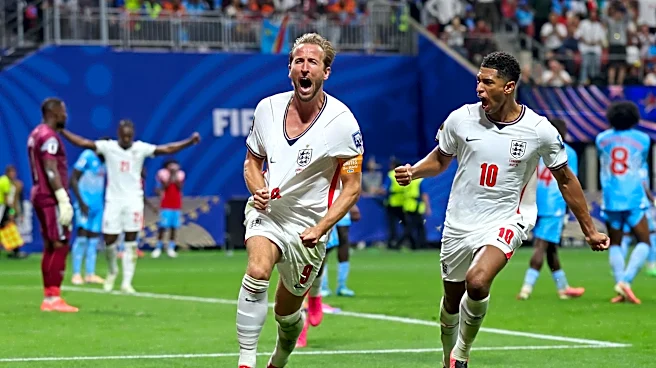
The 2026 World Cup, currently in its thrilling knockout stages, offers perfect case studies. England captain Harry Kane, for example, leads from the front. His primary influence comes from his tireless work rate and clinical finishing, setting a standard for others to follow. He’s not barking orders like a quarterback, but his relentless effort inspires his team. Then there is Morocco's captain, Achraf Hakimi, a dynamic defender whose leadership is expressed through explosive runs and locking down his side of the field, setting a tone of tenacity. In contrast to Brady's verbal command-and-control style, the leadership of these soccer captains is often non-verbal and based on example. Their authority comes from the respect they've earned through their own elite performance and their ability to steady the ship during the unpredictable ebbs and flows of a 90-minute match.
What to Watch For Beyond the Armband
So, how should a Brady fan watch a soccer captain? Stop looking for the person audibly directing every phase of play. Instead, watch the player who serves as the team's emotional barometer. Who is the first to encourage a teammate after a mistake? Who is organizing the defense during a corner kick? Often, it's not even the player with the armband; true leadership can come from anywhere on the pitch. The captaincy is sometimes awarded to the most famous player, like Portugal's Cristiano Ronaldo or Argentina's Lionel Messi, whose iconic status provides its own form of leadership. But the functional, on-field leader might be a grizzled central defender or a composed central midfielder. Look for the player teammates trust with the ball in tight situations, the one who communicates with the referee without losing their cool, and the one who keeps their head up when the team goes down a goal. That's where you'll find the game's true leaders.