





Beyond Vampires and Zombies
Let’s be honest: the supernatural genre was getting predictable. After decades dominated by the same rotation of brooding vampires, ravenous zombies, and vengeful ghosts, audiences have grown numb to the usual threats. We know their rules, their weaknesses,
and their dramatic monologues by heart. Creators, sensing this fatigue, are turning away from the overused and looking toward the ancient. The new creative goldmine isn't a new twist on Dracula, but the nearly bottomless well of folklore—specific, culturally-rooted stories that have been terrifying communities for centuries. This trend isn't just about finding a new monster; it's about finding a new kind of fear. Folk horror taps into anxieties about isolation, the loss of tradition, and the unsettling power of the natural world. These stories feel authentic and grounded in a way a generic CGI demon rarely does, providing not just scares but a sense of place and history.
Slavic Witches and Coastal Creatures
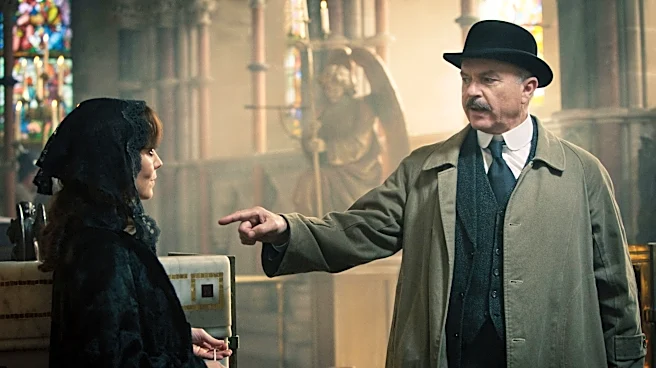
Look no further than this month’s premieres for proof. The new AMC+ series 'Yaga,' which debuted October 23, centers its mystery around the formidable Slavic myth of Baba Yaga. She isn’t a simple villain. In folklore, she's an unpredictable force of nature who might help a hero or cook them for dinner, depending on her mood. By building a modern thriller around such a morally complex figure, the show sidesteps good-versus-evil clichés entirely. Similarly, the Netflix thriller 'Below' drops viewers in a remote Newfoundland town terrorized by a mysterious sea creature. Its creator has spoken about drawing inspiration directly from the Canadian province's local legends of unexplained phenomena that have haunted the isolated fishing communities for generations. The terror in 'Below' comes not from a random monster, but from something that feels like it has always been there, lurking in the deep, dark water just beyond the shore.
A Global Storytelling Engine
This turn to folklore is also making horror a more global genre. Instead of importing another European vampire, studios are finding success by embracing stories from around the world. The new monster movie 'Beware Boiúna' features a giant, ancient snake from Brazilian folklore terrorizing an Amazonian outpost. The Boiúna is a specific, powerful figure in South American mythology, offering a fresh alternative to the giant snakes of Hollywood past. This trend extends to the big screen, with international productions like the myth-driven Indian action film 'Digger' earning praise for its deep dive into regional spirituality and folklore. By embracing these tales, creators are introducing U.S. audiences to a world of new monsters and mythologies, moving beyond the familiar gothic castles and into the haunted forests, rivers, and mountains of the entire globe.
Updating the Bogeyman
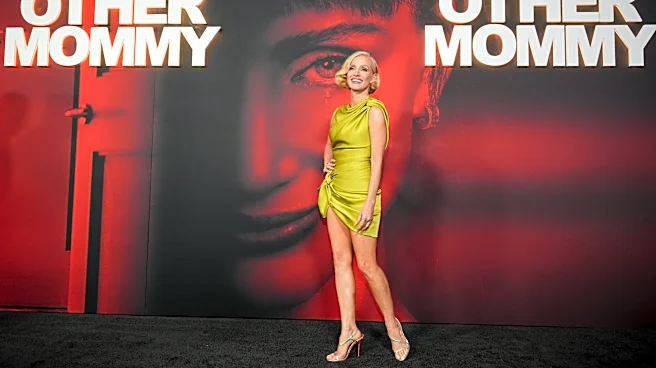
Even when the stories aren't pulled from ancient texts, they are tapping into the core principles of folklore. The new Netflix release 'Other Mommy' centers on a sinister entity that emerges from a young girl’s closet. While not tied to a specific ancient legend, it preys on the universal childhood fear of the 'bogeyman'—a piece of modern, informal folklore every one of us understands instinctively. The film updates that primal fear for a contemporary audience, exploring family trauma through the lens of a monster that feels both intimate and terrifyingly real. It proves that the power of folklore isn't just about resurrecting old monsters, but about understanding the timeless fears that created them in the first place, whether they were whispered around a campfire 500 years ago or in a child's bedroom last night.