




The Double-Edged Sword of Nostalgia
Let’s be honest: the original Toy Story audience is now in their 30s and 40s. We’re the ones with the disposable income and the deep, abiding love for Woody and Buzz. It’s tempting for Disney and Pixar to cater directly to us, crafting a story steeped
in mature themes of mid-life crises, legacy, and saying a final, *final* goodbye. We saw a version of this in *Toy Story 4*, which felt like an epilogue designed to give Woody—and by extension, the adult audience—a sense of closure separate from a child’s playroom. The film was a financial success, but its conclusion was divisive. For many, Woody abandoning his friends and his kid felt less like a natural evolution and more like a narrative designed to satisfy a screenwriter’s desire for a definitive end. This is the nostalgia trap. A film made exclusively for the original fans risks becoming a navel-gazing exercise about aging, forgetting that the franchise’s soul has always been tethered to the imagination and emotional world of a child.
The Blinking Red Light of ‘Lightyear’
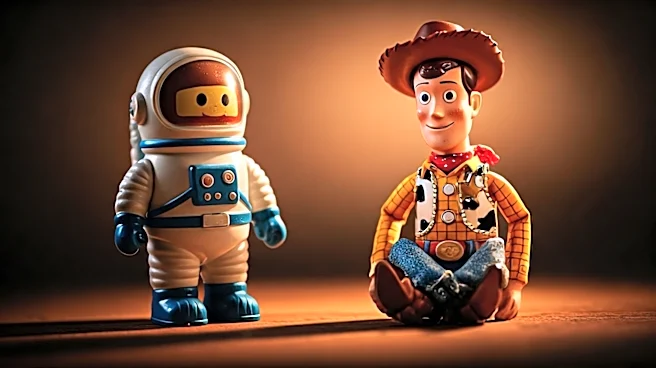
If Pixar needs a case study in what happens when you lose the plot, they need look no further than the commercial and critical disappointment of *Lightyear*. The premise was a meta-textual stroke of genius: the in-universe movie that made Andy want a Buzz Lightyear toy. But the execution missed the point entirely. It was a straightforward, somewhat sterile sci-fi action movie. It had time dilation and complex paradoxes, but it lacked the one thing that makes *Toy Story* work: heart. The film forgot that Buzz Lightyear isn't compelling because he’s a cool space ranger; he’s compelling because he’s a toy *who thinks* he’s a cool space ranger, grappling with the shattering of his own identity. *Lightyear* aimed for an older, more sophisticated audience, trading the warmth of the playroom for cold, hard sci-fi. In doing so, it alienated both kids, who were likely bored by the plot, and adults, who felt none of the emotional resonance the core franchise delivers. It was a story about a toy that completely forgot the magic of being a toy.
The Secret Formula: Speaking Two Languages at Once
The true genius of the *Toy Story* trilogy is its ability to operate on two distinct emotional frequencies simultaneously. For a child, *Toy Story 3* is a thrilling adventure about toys escaping a daycare and trying to get home. It’s funny, scary, and ultimately triumphant. For an adult, it’s a devastatingly accurate portrayal of the bittersweet pain of watching a child grow up and leave their childhood behind. The final scene, where Andy gives his beloved toys to Bonnie, is a gut punch for every parent who has ever packed away a box of old playthings. The film works because the adult themes are not the main text; they are the subtext. The story is fundamentally simple and child-centric, but it’s told with such emotional intelligence that it resonates with the adults watching alongside them. This is the secret formula: tell a story for kids that is so full of love, loss, and loyalty that adults can’t help but see their own lives reflected in it.
The Only Path Forward for ‘Toy Story 5’
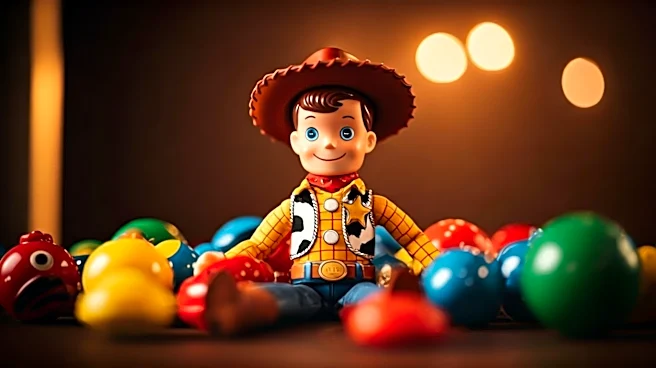
So, how can *Toy Story 5* succeed? It must resist the urge to be a direct sequel to the adult feelings of *Toy Story 4*. Woody’s journey as a “lost toy” might offer narrative possibilities, but the film will only find its footing if it re-centers itself in a child’s world. The story needs a kid. It needs the anxieties, joys, and imaginative whims of a child to be the engine that drives the plot. Whether that’s Bonnie, a new character, or even a grown-up Andy’s own child, the toys’ purpose must once again be defined by their relationship to a person who plays with them. From that simple, relatable core, the deeper themes can emerge organically. A story about helping a child navigate a new fear or a big life change is fertile ground for exploring loyalty, purpose, and community—the very things that made the first three films masterpieces. The mistake isn't acknowledging that the audience has grown up; the mistake would be making a movie that has forgotten what it was like to be a kid.