


The Finality of Single Elimination
In American pro sports, the seven-game series is king. It’s a war of attrition that values depth and resilience. You can have a bad night, lose a game, and still come back to win the series. But a Game 7 strips all of that away. There is no tomorrow.
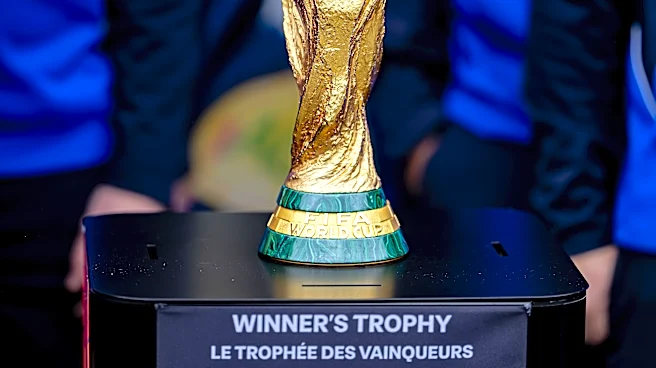
It’s one game for everything. The World Cup knockout stage takes that terrifying, exhilarating premise and makes it the entire tournament structure. From the Round of 16 onward, every single match is a Game 7. There are no do-overs, no adjustments for the next game, no chance to 'get 'em tomorrow.' For 90 minutes (plus potential extra time and penalties), a team’s entire four-year cycle of work, preparation, and national hope is on the line. Win and you survive. Lose, and you go home.
The Crucible of Legacy
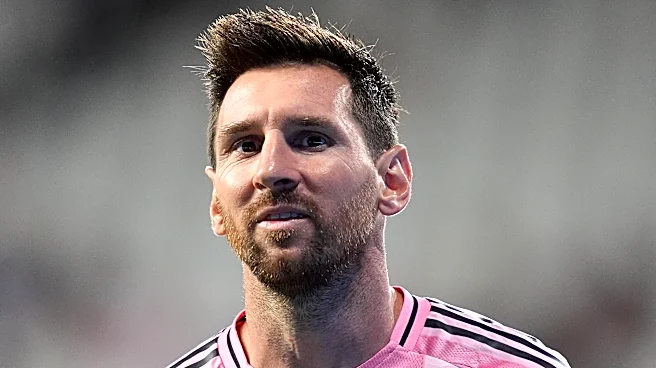
Game 7s are where legends are born and where titans can fall. Michael Jordan’s Bulls, LeBron James’s Cavaliers, and countless others cemented their legacies in these high-pressure moments. Similarly, the World Cup knockout stage is the ultimate crucible for a soccer player’s legacy. Lionel Messi’s journey from perennial disappointment to World Cup champion in 2022 is a narrative arc defined entirely by his performance in these must-win games. A single missed penalty or a moment of genius can define a career. Think of Roberto Baggio’s infamous penalty miss for Italy in the 1994 final or Zinedine Zidane’s headbutt in 2006. These aren’t just footnotes; they are the indelible images that define their careers for millions. Every knockout game offers the chance for immortality or eternal what-if.
The Anatomy of Pressure
The pressure in a Game 7 is palpable. Every free throw feels heavier, every pitch carries the weight of the season. The World Cup multiplies this by adding the weight of national identity. And nothing encapsulates this pressure better than the penalty shootout—soccer’s answer to a Game 7 overtime. After 120 minutes of grueling play, the game’s outcome is decided by five individual duels between a shooter and a goalkeeper from just 12 yards away. It’s a psychological nightmare disguised as a tiebreaker. It’s akin to deciding the Super Bowl with a field goal kicking competition or the NBA Finals with a free-throw contest. It’s brutal, arbitrary, and produces the highest drama imaginable, creating heroes and scapegoats in a matter of minutes.
A Narrative Generating Machine
The beauty of a Game 7 is the clean, powerful story it tells. The underdog overcomes the odds; the dynasty proves its mettle; the hero has one last stand. The knockout stage format is a machine built to generate these narratives on a global scale. We get the Cinderella run, like Morocco’s historic semifinal appearance in 2022, capturing the hearts of a continent. We see the shocking collapse of a powerhouse, like Spain losing to the host nation Russia in 2018. Each match is a self-contained drama, but they build on each other, creating a month-long epic. A player who was a hero one round can be the goat in the next. It’s a relentless churn of hope and despair that makes for the most compelling theater in sports.