


Master the Map Before You Arrive
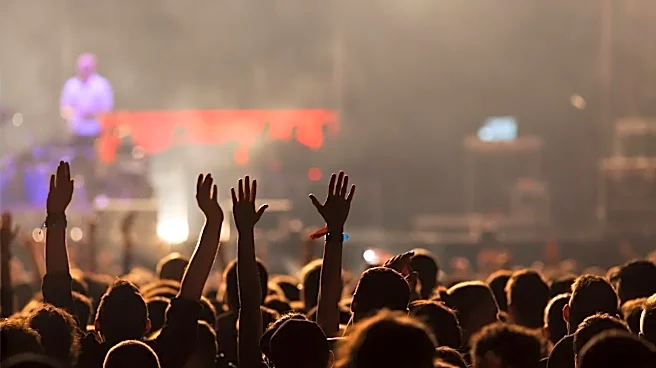
The most critical mistake is underestimating the sheer scale of a modern music festival. That innocent-looking dotted line on the map between the main stage and the indie tent can be a 20-minute, salmon-against-the-current journey through a sea of people.
Before you even set foot on the grounds, study the festival map like a general preparing for battle. Identify the stages, but also look for key landmarks, water stations, and restroom banks that can serve as navigational aids. Note the major arteries and potential chokepoints. Some festivals have unofficial shortcuts or less-congested perimeter paths that veteran attendees use to their advantage. Knowing the physical relationship between stages is the first step in making an informed decision. A conflict between two stages clustered together is manageable; a conflict between stages a mile apart is a choice that must be made.
Triage Your Must-See List
You cannot see everyone, and accepting this reality is liberating. Instead of a vague list of artists you'd like to see, create a tiered priority list. Tier 1 should be your non-negotiable, 'I will regret this for years if I miss it' acts. Tier 2 are strong preferences, and Tier 3 are the 'It would be nice to catch a few songs' artists. When a scheduling conflict arises, this system makes the decision clearer. If a Tier 1 artist is up against a Tier 3, the choice is obvious. The real pain comes from a Tier 1 vs. Tier 1 conflict. In this scenario, consider external factors: Which artist tours less frequently? Is one performance a rare reunion or a unique album playthrough? Prioritize the experience you're less likely to get again.
The 'Split Set' Gambit: Is It Worth It?
For stages that are reasonably close, attempting to see half of each set is a popular, if risky, strategy. To pull this off, you need a plan. Decide which half of each set you want to see—the explosive opening or the hit-filled finale? Leave the first set before the last song to get a head start on the crowd exodus. Be warned: you will likely miss more music than you expect during the transit time and will almost certainly get a worse view at the second show than if you had arrived early. Splitting a set is best for getting a taste of two artists, but it's a poor strategy if you want an immersive experience for either. Sometimes, committing to one full, glorious set is far more rewarding than two fragmented, stressful halves.
Embrace the Compromise with Your Crew
Navigating a festival is a social puzzle. If you're with a group, scheduling conflicts aren't just about the artists—they're about your friends. Have the conversation early: does your group stick together no matter what, or are you comfortable splitting up? Compromise is key. You might agree to see your friend's favorite DJ in exchange for them joining you at the rock band's set later. Establishing a clear, non-negotiable meeting spot (and a backup) with a specific time is crucial if you do split up. Cell service is notoriously unreliable in large crowds, so you can't depend on texts. A plan like, "Let's meet by the giant inflatable astronaut at 10:00 PM, and if we miss each other, we'll try again at the same spot after the headliner finishes," is your best friend.
Consider the Strategic Location
Sometimes the best decision isn't about which band you love more, but where you want to be after their set. If you’re determined to get a decent spot for the final headliner of the night, you might choose to watch the conflicting set that’s on the same stage. This allows you to hold your ground and simply wait for the next act, saving you a stressful cross-park trek and guaranteeing a better position. Another consideration is sound bleed—the phenomenon where sound from one stage spills over into another. You can sometimes find a sweet spot between two stages where you can vaguely hear both. It’s not ideal, but for a low-priority conflict, it can be a way to feel like you're not missing out completely while you wait for your next must-see act.
Let Go and Discover Something New
Ultimately, the most important tip is to go with the flow. Sometimes the best festival moments happen when your carefully laid plans fall apart. If a set isn't living up to your expectations, don't be afraid to leave. Wander over to a smaller stage you'd planned to ignore. Some of the most memorable festival discoveries are the artists you never intended to see. The fear of missing out (FOMO) is real, but it can rob you of the joy that's right in front of you. Instead of mourning the set you're missing, invest your energy in the one you chose. Dance, sing, and be present. The magic of a festival isn't about seeing everything; it's about fully experiencing the moments you're in.