
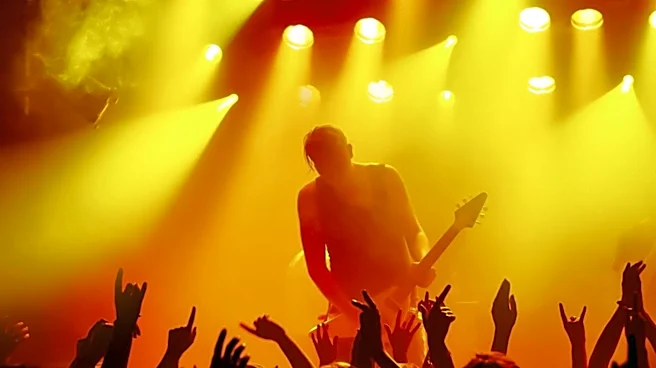
The Million-Dollar Official Livestream
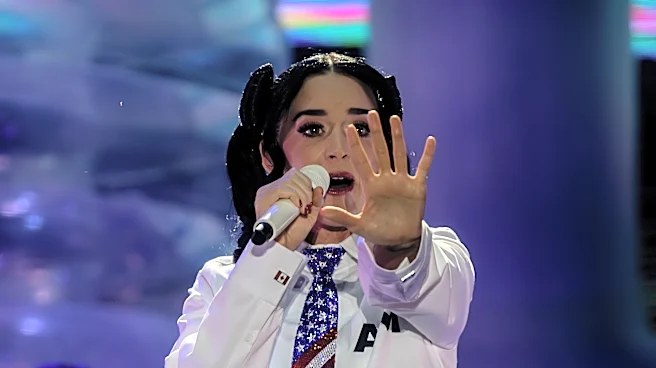
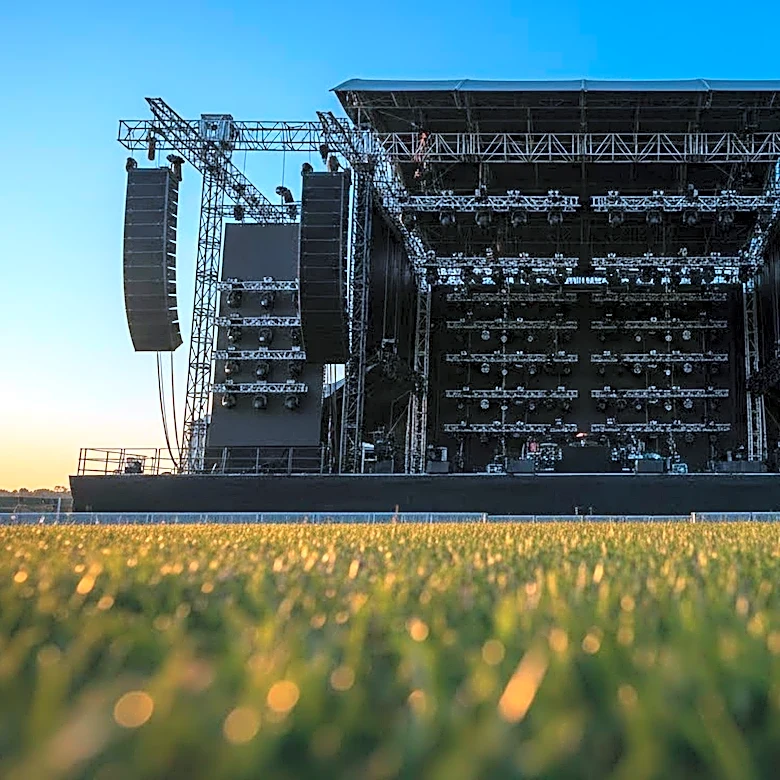
When a major festival like Coachella broadcasts a headliner’s set, it’s a monumental production. We're talking about a crew of over 200 people, cinematic-grade digital cameras, multiple video trucks, and thousands of feet of fiber-optic cable. The goal
is to create a pristine, polished product that elevates the festival's brand and provides a flawless viewing experience for millions at home. For years, festivals have partnered with platforms like YouTube, which has extended its deal with Coachella through 2026, to offer these streams for free. The investment is huge because festival organizers understood early on that these broadcasts help grow their brand globally, reaching far more people than can physically attend. This official version is a controlled, carefully curated story—showing exactly what the artist and festival want you to see.
The Unofficial Feed: Rise of the Fan-Camera
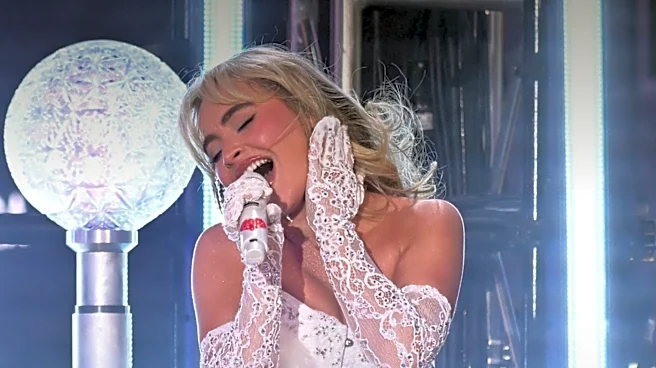
Parallel to the official broadcast is a sprawling, chaotic, and arguably more influential media layer: the fan-camera economy. This isn't an economy where fans get paid, but one where their collective, user-generated content (UGC) creates immense cultural and promotional value. Fueled by high-quality smartphone cameras and instant-sharing platforms like TikTok and X, fans document every moment. This footage is raw, immediate, and offers angles the professional broadcast can't—or won't—show. For many younger viewers, the high production value of an official stream can feel distant; they prefer the authentic, in-the-moment perspective of a fellow fan or creator who shows the chaos, the crowds, and the real energy of being there. This content often generates significantly more engagement than brand-published posts, creating a digital echo that extends an event's reach exponentially.
The Swift Effect: A Masterclass in Fan Power
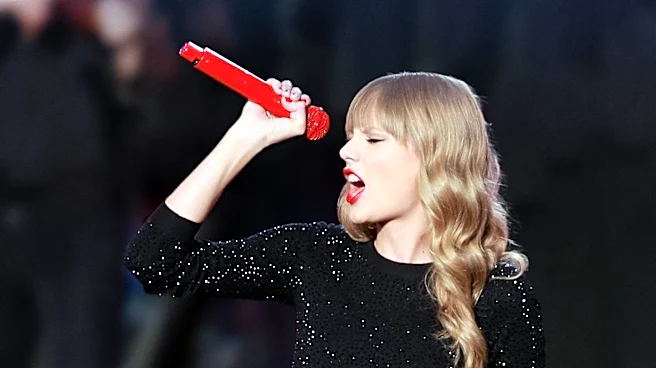
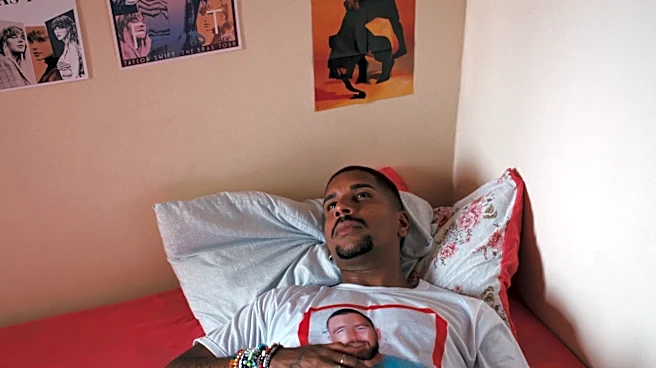
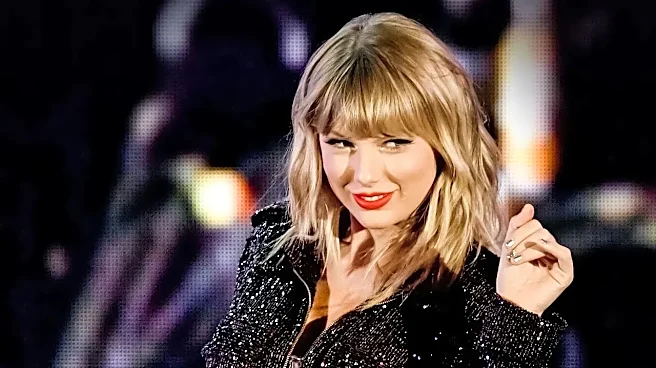
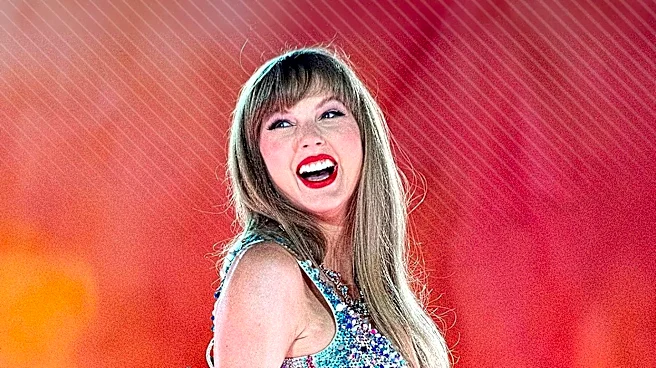
Taylor Swift’s tours are ground zero for this phenomenon. The sheer scale and organization of her fanbase, the Swifties, have turned every concert into a global media event. Research shows Swift's concertgoers share significantly more photos and videos than fans of other artists. They don't just watch the show; they co-create the experience, with 42% of Swifties having livestreamed a concert for a friend who couldn't attend. This constant stream of content, from surprise song announcements to fan interactions, drives a continuous online conversation that a one-time official broadcast can't replicate. The economic and cultural impact, dubbed "Swiftonomics," is so significant that it has been compared to hosting a Super Bowl, boosting local economies by hundreds of millions of dollars. The fan footage is a key part of this engine, building hype and a sense of community that fuels demand.
A Symbiotic and Tense Relationship
So, is this fan-generated content a friend or foe to the official music industry? The answer is both. On one hand, it's the most effective form of marketing imaginable. It creates powerful FOMO (fear of missing out), which can drive ticket sales for future events. Studies have shown that a majority of people who watch a livestream of an event are likely to buy a ticket to a similar event in the future. On the other hand, it can undermine the exclusivity of pay-per-view models and create rights-management headaches. Some artists and festivals embrace it, while others attempt to crack down. Platforms are adapting, with YouTube introducing features like "Watch With" that allow creators to overlay their own commentary on official streams, attempting to merge the two worlds. It's a recognition that the era of passive spectatorship is long gone; engagement is now the primary metric of success.