
From Auteur to Actual Person
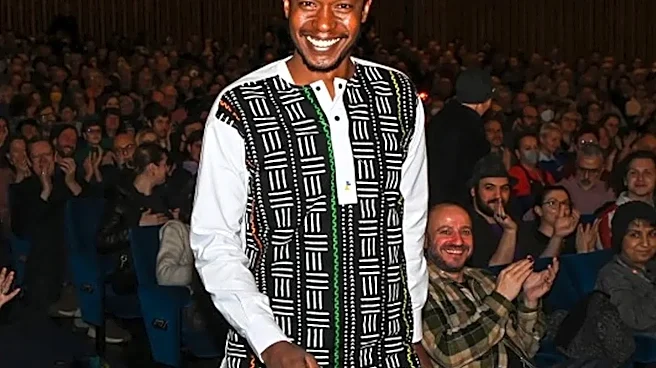
In the solitary darkness of a movie theater or a living room, a director is a distant, almost mythical figure—a name in the opening credits, an 'auteur' discussed in theoretical terms. But at a festival Q&A, that myth dissolves. Suddenly, the person who
orchestrated the spectacle is right there, fielding questions, looking slightly jet-lagged, and maybe fumbling with a microphone. This transformation from an abstract creator into a tangible human being is profound. It breaks down the barrier between the art and the artist. Hearing a director admit they struggled with a scene, or that a pivotal moment was a happy accident, doesn't diminish the film's power; it enhances it. It reframes the movie not as a perfect, untouchable product, but as the result of passion, stress, and collaborative effort. This human connection makes the story feel personal and the achievement behind it more impressive.
The Power of a Shared Secret
A post-screening Q&A creates an exclusive club. The people in that room are given access to information that exists nowhere else. They hear anecdotes about the casting process, learn the original ending that was scrapped, or discover the personal memory that inspired a key scene. For that hour, the audience becomes part of the film's inner circle. This shared knowledge fosters a sense of intimacy and collective ownership. It’s the cinematic equivalent of being told a secret. You leave the theater feeling not just like a viewer, but like a confidant. This exclusive insight makes the filmgoing experience active rather than passive. The audience is no longer just receiving a story; they are participating in its extended narrative, one that includes the 'behind-the-scenes' lore shared directly by the source. This direct communication is what makes festivals feel special.
Demystifying the Creative Process
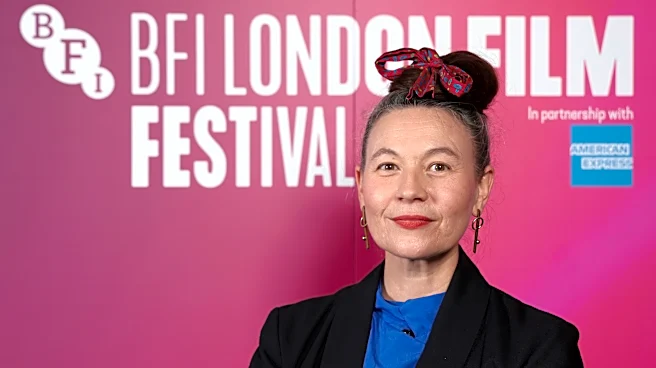
For many, filmmaking is a mysterious, almost magical process. It’s a world of complex equipment, massive budgets, and esoteric industry jargon. Q&A sessions pull back the curtain on that world. When a filmmaker like Ava DuVernay or Jesse Eisenberg—both of whom are featured in Screen Talks at this year's BFI London Film Festival—discusses their creative choices, it makes the craft feel more accessible. They might talk about the challenge of securing funding, the difficulties of a location shoot, or the collaborative joy of working with an actor to build a character. This demystification is inspiring. It shows aspiring creators that even acclaimed artists face practical hurdles and creative doubts. For the general audience, it deepens their appreciation for the final product, helping them understand the hundreds of decisions that go into every single frame. It turns a piece of entertainment into a lesson in creativity and perseverance.
From Fan to Long-Term Follower
Meeting a filmmaker, even from a seat in a crowded auditorium, forges a different kind of loyalty. Once you've heard their story, their passion, and their vision in their own words, you're no longer just a fan of a single film; you become a follower of the artist. The interaction creates a personal stake in their career. You're more likely to seek out their previous work and eagerly anticipate their next project. This connection transforms the relationship from transactional—a ticket bought for two hours of entertainment—to relational. The audience feels invested in the filmmaker's journey. Festivals like the BFI London Film Festival are not just launching pads for movies, but breeding grounds for these crucial relationships that sustain a filmmaker's career long after the festival circuit ends. It builds a community around the art, not just a market for it.