
The Soul of the South
Before he was the only American in a band of Canadians, Mark “Levon” Helm was a cotton farmer’s son from Turkey Scratch, Arkansas. That’s not just a biographical detail; it’s the bedrock of his entire
musical identity. The Arkansas Delta of the 1940s and '50s was a crossroads of sound, where the Grand Ole Opry crackled on the radio alongside the raw blues of Sonny Boy Williamson's King Biscuit Time show. Helm didn’t just hear this music; he absorbed it. He saw Bill Monroe, the father of bluegrass, at age six and decided his path. He witnessed the birth of rockabilly watching early performances from Elvis Presley and Ronnie Hawkins. This potent stew of country, blues, and first-wave rock and roll wasn't an influence he adopted later; it was his native tongue. While his Canadian bandmates were masters of their craft, Helm provided the authenticity, the dirt under the fingernails that made The Band’s historical-fiction storytelling feel so profoundly true.
The Uncopyable Groove
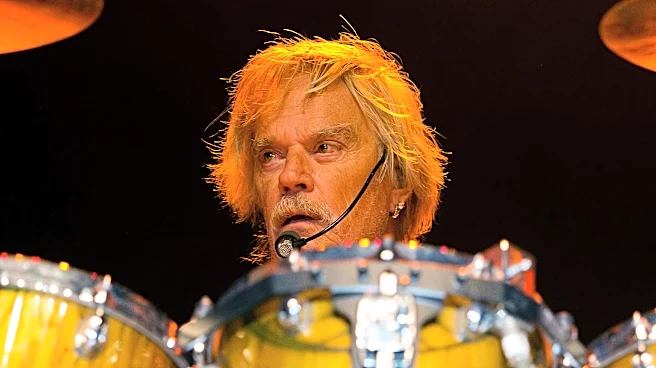
Talk to any drummer about Levon Helm, and you’ll hear a tone of reverence usually reserved for saints. In an era when rock drummers were getting louder and building enormous kits, Helm went the other way. He favored a simple setup, often using vintage drums and dampening the heads with rags to get a warm, woody "thud" instead of a sharp crack. But his real genius was in his timing. Helm was the master of playing "behind the beat." It's a subtle but crucial difference: instead of landing squarely on the pulse, he would land his snare hits just a millisecond late, creating a relaxed, swampy feel. This technique is what gives songs like “Up on Cripple Creek” and “The Weight” their signature swagger—a groove that feels loose and human, never rigid or mechanical. It’s a feel born from listening, not from metronomic precision. He famously said, "It ain't what you play – it's what you don't play and leave out." That restraint, that deep, breathing pocket, is a magic that has been endlessly admired but never truly duplicated.
The Voice of Worn-In Truth
Then there was the voice. It wasn't technically perfect, but it was profoundly human. Helm’s country-accented, soulful tenor felt less like a performance and more like a story being told by a trusted friend. He sang lead on many of The Band's most iconic songs, and it's impossible to imagine “The Night They Drove Old Dixie Down” in any other voice. His singing was as connected to his Arkansas roots as his drumming, carrying a sense of history, struggle, and weary resilience. The task he performed was a Herculean feat of musicianship: singing complex, emotional lead vocals while simultaneously laying down a deeply syncopated, in-the-pocket drum groove. It's a level of independence and artistry few drummers even attempt, let alone master. His voice and his drumming were not two separate skills; they were two outputs from the same singular, soulful source.
Serving the Song, Not the Ego
Ultimately, what cemented Helm’s unique sound was his philosophy. He was a musician who always served the song first. His drum fills were never flashy showcases of technique; they were musical phrases that complemented the lyrics and the melody. Critic Jon Carroll once famously said Helm was "the only drummer who can make you cry," a testament to his emotional and musical playing style. This ethos was the glue for The Band's legendary chemistry. He wasn't a timekeeper so much as a storyteller, using his kit and his voice to push the narrative forward. You can hear it in the way his beat seems to trudge alongside the weary traveler in “The Weight,” or in the joyous, funky celebration of “Up on Cripple Creek.” His approach was organic, blending perfectly with the acoustic textures of mandolins, fiddles, and piano that defined The Band's sound. He played what the song needed, with a feel that came from the heart, not a rulebook.