


The Entry-Point Empire
In the world of high fashion, a full runway look can cost more than a used car. It’s an intimidating, exclusive world. The accessory, however, is the Trojan Horse of brand identity. For luxury houses, a signature belt, bag, or shoe isn't just another
product; it's the most accessible and potent piece of their entire universe. It’s the entry point. A man might not be ready to drop $4,000 on a runway coat, but a $500 logo belt or a $900 pair of sneakers feels like a tangible piece of the dream. This item becomes a walking billboard, carrying the brand's DNA—its values, its history, its aesthetic—out into the real world. It’s a concentrated dose of brand mythology that customers can buy into, literally and figuratively. More than a garment worn once a week, an accessory is an everyday companion, constantly reinforcing the owner’s connection to the brand and signaling that affiliation to everyone they encounter.
An Icon Forged in History
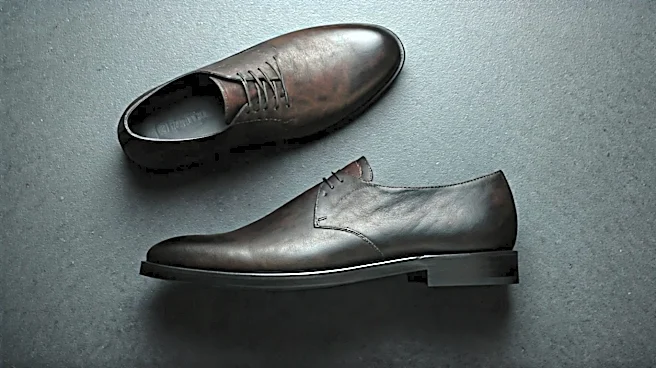
The most powerful examples are often steeped in history. Take the Gucci horsebit loafer. That small piece of metal hardware, borrowed from the equestrian world, has been the anchor of Gucci's menswear identity since the 1950s. It has been a staple for Wall Street financiers in the '80s, Italian playboys on the Riviera, and, under the direction of Alessandro Michele, a subversive emblem for a new generation of gender-fluid fashion lovers. The loafer itself has changed—colors, materials, and silhouettes have evolved—but the horsebit remains. It’s a constant, a symbol of heritage and Italian craftsmanship that transcends fleeting trends. By owning the loafer, you’re not just buying a shoe; you’re buying into a 70-year narrative of sophisticated leisure. The accessory acts as a vessel for the brand’s story, making its entire menswear collection feel grounded and timeless, even when the clothes are wildly contemporary.
When the Material Becomes the Logo
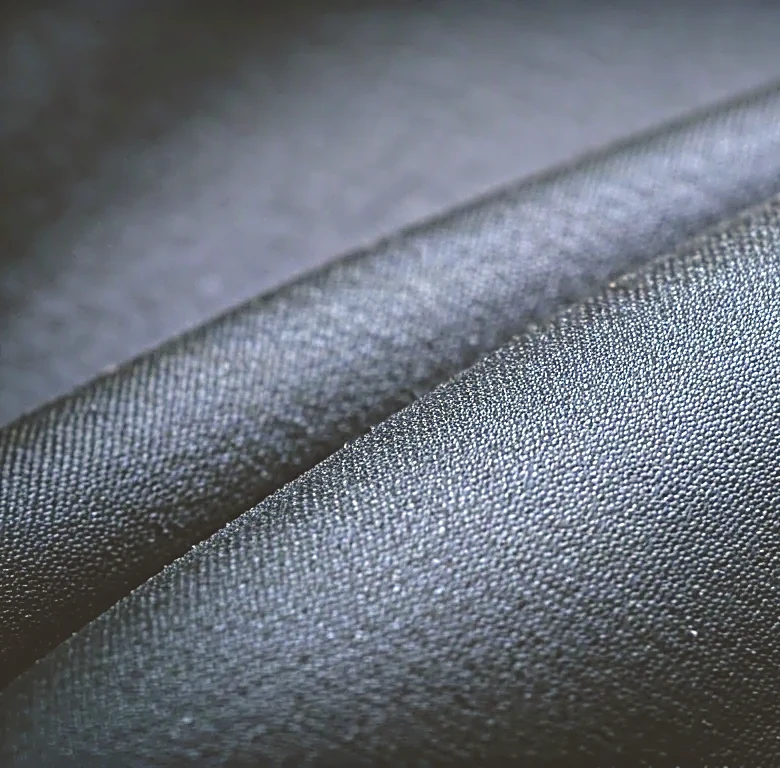
Sometimes, the accessory’s power doesn’t come from a logo or a piece of hardware, but from the material itself. This is the playbook for brands championing “quiet luxury.” Look at Bottega Veneta. Its signature has always been the *Intrecciato* weave, a meticulous pattern of interlaced leather. There’s no screaming logo, no flashy buckle. The weave *is* the brand. Under creative directors like Daniel Lee and now Matthieu Blazy, this single technique has been applied to everything from tote bags and shoes to puffer jackets and the seat of a chair. It has become a code for a certain kind of insider status—if you know, you know. Similarly, Prada turned industrial black nylon, a utilitarian material, into a symbol of subversive, intellectual cool in the '90s. The triangular metal logo is there, but it’s the nylon itself that screams Prada. By making a material their own, these brands turn every item crafted from it into a chapter of the same story, creating a cohesive identity that is both subtle and unmistakable.
The Art of the Modern Remix
For today’s menswear designers, the strategy often involves raiding the archives and recontextualizing a classic accessory for a new audience. Kim Jones has been a master of this at Dior Men. He famously took the Saddle Bag, a John Galliano-era womenswear icon, and re-engineered it for men. By collaborating with artists and rendering it in new materials, he turned it into one of the most desired menswear items of the past decade. It was a brilliant move that connected his modern vision for Dior Men directly back to the house's celebrated past. Virgil Abloh did the same at Louis Vuitton, taking the classic monogram—itself an accessory-driven identifier—and splashing it with fluorescent colors, adding chunky plastic chains, and applying it to streetwear-inspired silhouettes. This act of remixing a core accessory energizes the entire brand, signaling a new direction while still honoring the legacy that gives it value in the first place.