


It's Not a Game, It's a Series
The biggest shift isn't on the field; it's on our screens. Sports documentaries have taught us to consume sports like a Netflix series. Shows like “Welcome to Wrexham” didn't just tell a soccer story; they told a human one about a working-class town,
down-on-their-luck fans, and two Hollywood actors, Ryan Reynolds and Rob McElhenney, who bought a Welsh football club. Americans who had never heard of the English football pyramid were suddenly invested in Wrexham's quest for promotion. The series provided the backstory, the characters, and the stakes—turning casual viewers into emotionally invested fans. This format provides a crucial entry point for audiences who might not understand the sport's technicalities but are fluent in the language of narrative drama. So when the World Cup rolls around, we're already primed to look for the heroes, villains, and underdog plotlines.
The A-List Becomes the 12th Man
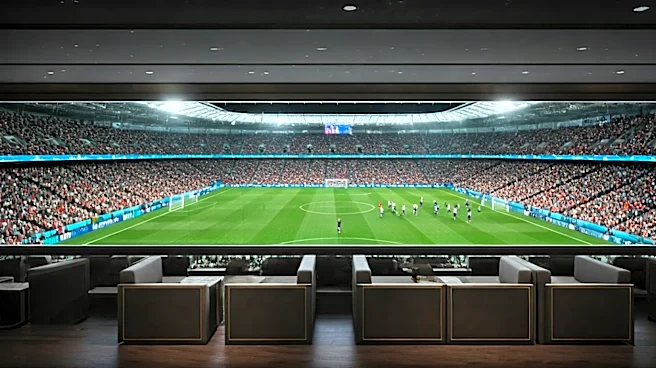
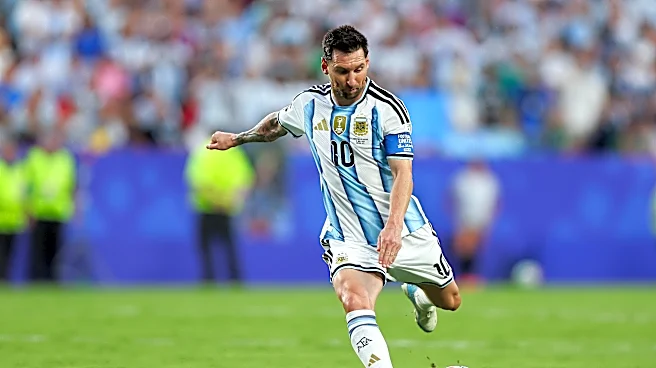
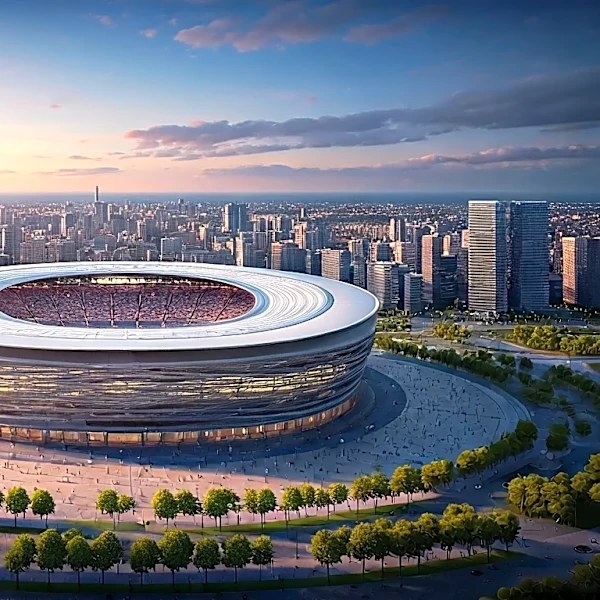
When a major tournament like the 2026 World Cup happens on U.S. soil, the line between a sporting event and a red-carpet premiere vanishes. Suddenly, the broadcast isn't just showing the game; it's cutting to shots of Brad Pitt, Leonardo DiCaprio, and Jessica Alba in the VIP box. The opening ceremonies now feature global music superstars like Katy Perry, Shakira, and LISA from BLACKPINK. It's no longer just about who is on the pitch, but who is in the stands. This celebrity co-sign acts as a powerful signal to the mainstream: this event matters. When stars like Paris Hilton and David Beckham are posting from the stadium, it transforms the game from a niche interest into a can't-miss cultural moment. For many, the celebrity presence is the initial hook that draws them into the wider drama of the tournament.
From the Pitch to Your Feed in Seconds
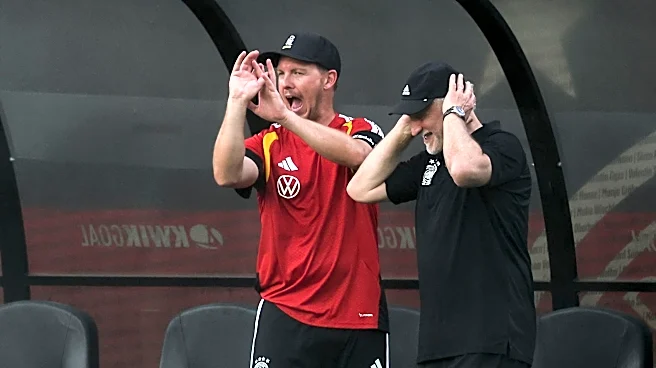
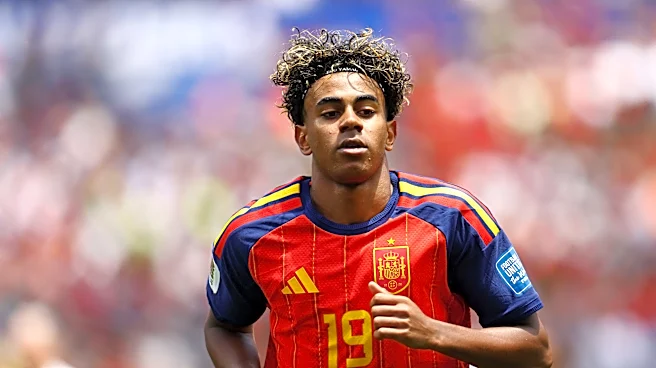
Modern fandom lives and dies on social media, and soccer provides a constant stream of meme-worthy content. A dramatic goal, a controversial refereeing decision, or a player's theatrical reaction can be clipped, edited, and turned into a viral sensation across TikTok, X, and Instagram before the game is even over. These moments are detached from the 90-minute context, becoming bite-sized pieces of entertainment accessible to everyone, regardless of their soccer knowledge. During the 2026 World Cup, online conversations started months before the first match, with fans debating everything from team jerseys to player-related memes. This constant churn of content keeps the tournament at the top of the cultural conversation, ensuring that even if you miss the match, you won't miss the moment.
Everyone Has Skin in the Game
The rise of fantasy sports and legalized online betting has added another powerful layer of engagement. Suddenly, a random group-stage match between two countries you've barely heard of becomes appointment viewing because you have a player on your fantasy team or a few dollars riding on the outcome. This personal investment, however small, changes the viewing experience. It provides a rooting interest where none might have existed. You're not just watching a game; you're tracking your own performance. This trend turns passive observers into active participants, giving millions of Americans a direct, personal stake in the drama unfolding on the pitch. Every goal and every save carries a little more weight when you have skin in the game, making the entire tournament feel more immediate and compelling.