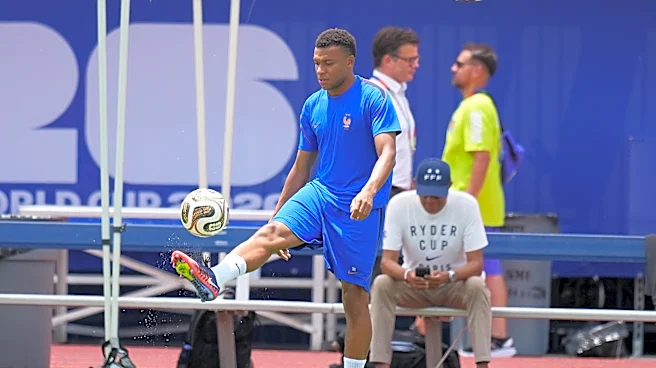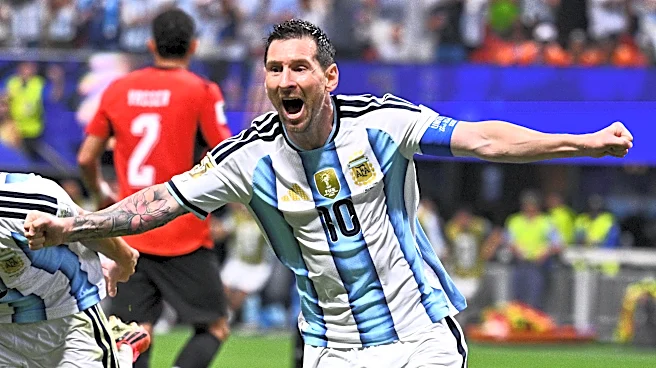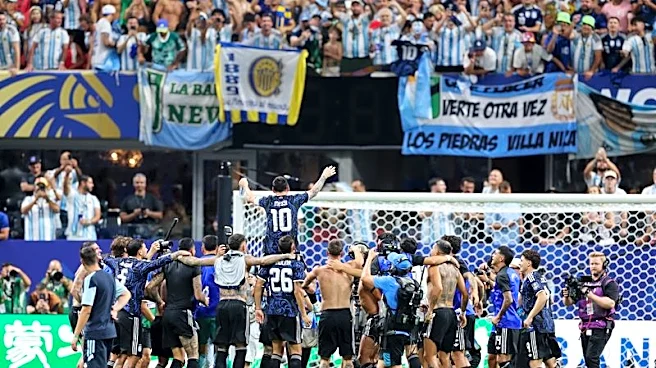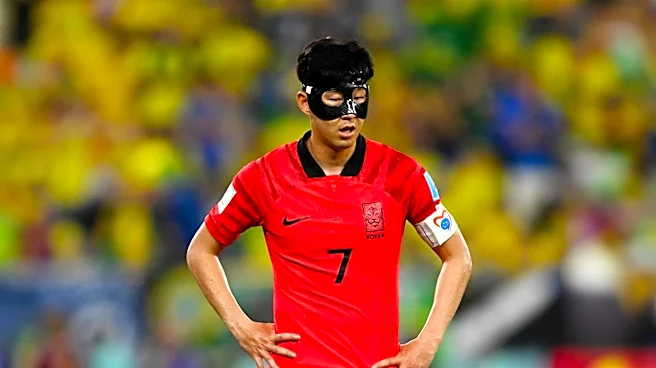





The Take: 'Soccer Is Too Slow and Boring'
This is the foundational American hot take, the original sin of casual soccer fandom. The argument is simple: 90 minutes is a long time for a 1-0 result. Accustomed to the constant scoring of basketball or the explosive plays of football, first-time viewers
often watch a tense midfield battle and see nothing happening. But the 'boredom' is a feature, not a bug. Soccer’s tension comes from its rarity of scoring. A goal is a massive dopamine hit precisely because it’s not guaranteed; it’s an unpredictable event that can capsize 89 minutes of strategic buildup. The drama isn't just in the goals, but in the near-misses, the tactical chess match, and the constant threat that a single moment of brilliance or a single mistake can decide everything. It’s a slow-burn thriller, not an action movie.
The Take: 'Penalty Shootouts Are a Terrible Way to Decide a Winner'
After 120 minutes of grueling, tactical warfare, reducing a nation's fate to a series of 12-yard kicks can feel anticlimactic and cruel. This take gains traction every time a beloved team is eliminated in what feels like a glorified coin toss. The argument is that it's a test of nerve, not skill, and has little to do with the preceding game. However, it’s also the most dramatic conclusion modern sports has to offer. The debate over whether it's better to shoot first or second has raged for years, with data often being contradictory. For years, the consensus was that going first offered a psychological edge, but recent World Cup trends have seen teams winning more often when going second. While experts have analyzed thousands of shootouts without finding a definitive statistical advantage to either order, the sheer theater of it—the solitary walk, the face-off with the keeper, the weight of a nation on one kick—is what makes it unforgettable.
The Take: 'This Player Is Overrated / This Team Only Won Because of Luck'
When a superstar fails to score or a lesser-known team pulls off an upset, the 'overrated' and 'lucky' labels fly. This take simplifies the complex dynamics of a team sport into an individual hero or villain narrative. A world-class forward can be neutralized by a brilliant defensive scheme, and an underdog victory often comes from disciplined tactics, not just a fortunate bounce. Soccer is a sport with a high degree of randomness; the better team can fail to win almost half the time, a higher rate than in American football or basketball. This is largely due to the low number of scoring events, where a single moment can have an outsized impact. During the 2026 World Cup, for example, underdog stories like Cape Verde holding Spain to a draw captivated fans, illustrating that preparation and strategy can level the playing field.
The Take: 'The Rules Are Too Confusing / Just Stop the Clock!'
For viewers used to American sports, soccer’s running clock and stoppage time can feel arbitrary and frustrating. The call to 'just stop the clock like in basketball' echoes across social media every tournament. Similarly, the offside rule is a frequent target of confusion and anger, seen as a technicality that robs fans of exciting goals. But these rules are essential to the game's flow. The running clock creates continuous action and forces teams to manage the game's rhythm, while stoppage time is the referee's attempt to make up for delays. Hydration breaks, more common in the hot conditions of the 2026 tournament, have been criticized by purists for breaking up the game into American-style quarters, proving how central continuous play is to the sport's identity. These aren't arbitrary rules; they are the architecture of the game's unique tension.