








Carmy's Armor Against Chaos
From the moment Carmen “Carmy” Berzatto steps into The Original Beef, his mission is clear: impose order on a world spiraling out of control. His brother’s death, the restaurant's debt, and his own crushing trauma are the “dirty system” he’s inherited.
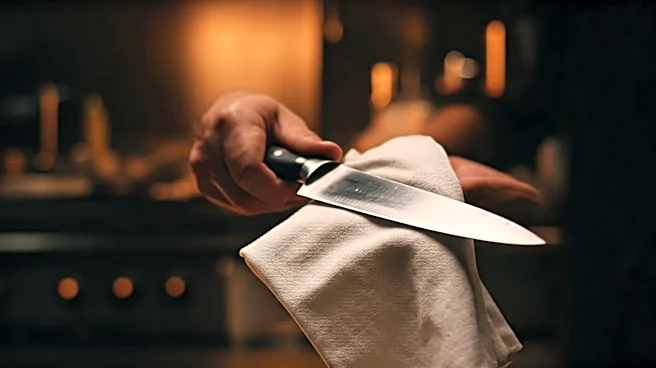
How does he fight back? With cleanliness. Carmy’s meticulous nature isn't just about Michelin-star habits; it’s a psychological defense mechanism. He doesn't just clean; he scrubs, purifies, and controls his immediate environment because he can't control the grief and chaos inside him. His pristine white t-shirts, a stark contrast to the grime of the old kitchen, are like armor. Every time he washes his hands, it’s a small act of baptizing himself, an attempt to wash away the sins of the past—his family's, the restaurant's, and his own perceived failures.
Sydney's Gospel of Structure
If Carmy’s cleanliness is personal and instinctual, Sydney Adamu’s is systematic and professional. She arrives not just with a sharp palate, but with a plan: the French Brigade system. It’s a structure designed to bring logic, efficiency, and, yes, a form of cleanliness to the messy, ad-hoc operation. Syd’s constant push for process is her version of washing her hands. She is trying to build something pure and functional out of the inherited mess. While the system itself can create new pressures and conflicts, its goal is to create a clean, repeatable process in a business defined by its lack of one. Her struggle is to see if a perfect system can truly thrive within an imperfect, deeply human environment, proving that her ambition isn't just about food, but about creating order.
Richie's Redemption Through Polish
No character embodies the “dirty system” more than Richie Jerimovich. In the beginning, he is the chaos—loud, resistant, and deeply attached to the old, grimy way of doing things. His transformation in the celebrated episode "Forks" is the show's thesis in miniature. Sent to a high-end restaurant, he is given the humbling task of polishing forks. It’s a job that seems pointless, but it’s the beginning of his purification. By focusing on a single, clean detail, he starts to clean up his own life. He learns that respect, for the customer and for himself, is a form of cleanliness. When he finally dons a tailored suit, it feels like “armor” because it is. He has found a new way to be clean, not by scrubbing away the past, but by polishing his purpose within the present.
A Prayer for a Fresh Start
Ultimately, the obsession with clean hands, polished forks, and sterile surfaces in 'The Bear' is about more than just hygiene. It’s a powerful, ongoing metaphor for a moral and psychological struggle. Can you build something good and new from a foundation of grief, debt, and dysfunction? Can you keep your own hands clean while working in a system stained by trauma? The characters' relentless pursuit of cleanliness suggests that the effort itself is the answer. It’s an act of faith. Every scrubbed countertop and meticulously plated dish is a prayer for a fresh start, a belief that even in the dirtiest of kitchens, it is possible to create something pure.