



The Myth of the 'Relaxed' Fit
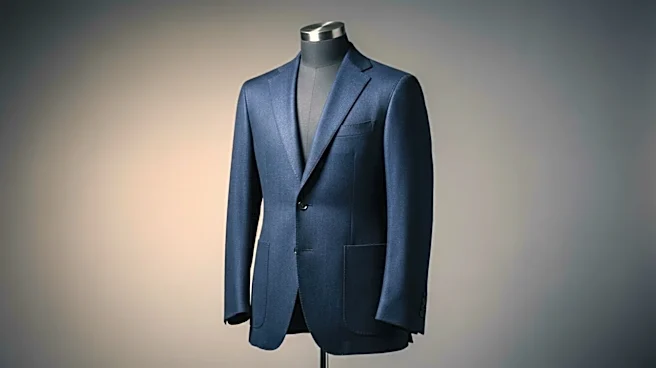
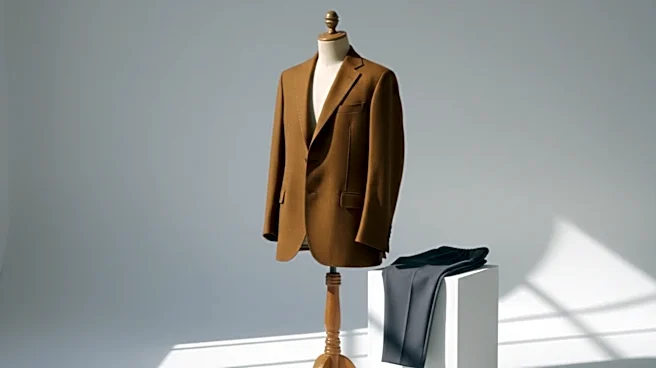
On the surface, the trend toward 'soft tailoring' seems like a move toward casual comfort. Gone are the rigid, armor-like suits of Wall Street’s heyday, replaced by jackets that drape and move with the body. This style, often associated with Italian 'sprezzatura'—a
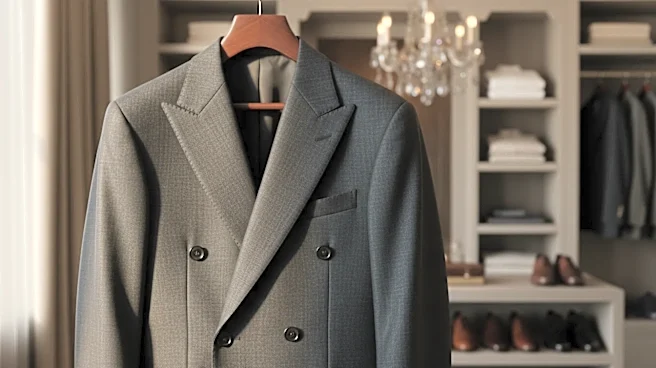
kind of studied nonchalance—is all about looking elegant without appearing to have tried too hard. But here’s the paradox: achieving that relaxed silhouette is a high-wire act of tailoring. A traditional suit, with its layers of canvas, lining, and shoulder pads, has a built-in structure that can forgive minor imperfections and shape the wearer's frame. An unstructured or deconstructed jacket has none of that scaffolding. It’s just fabric and seams, meaning the tailor has absolutely nowhere to hide.
Nowhere to Hide: The Tyranny of the Seam
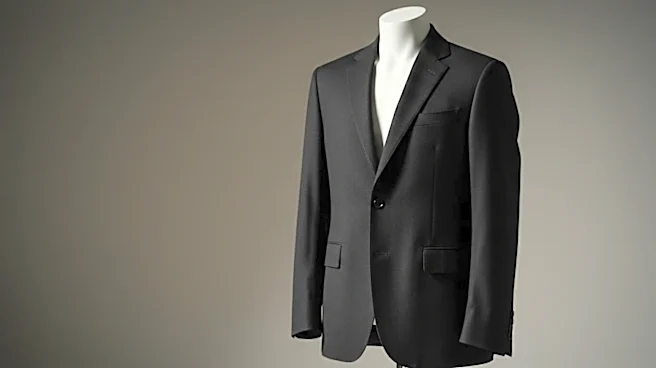
Think of a structured blazer like a traditional hardcover book; its stiff cover provides shape and protection. A relaxed suit is like a high-end paperback; its beauty lies entirely in the quality of the paper and the precision of its binding. In tailoring, this translates to the cut and the seams. Without the internal architecture of padding and interfacing, the entire responsibility for the jacket's shape falls on the pattern itself. Every seam, every dart, and every curve must be executed flawlessly. If the shoulder line is off by even a fraction of an inch, it will droop or pucker. If the chest isn’t cut with perfect balance, it will collapse instead of drape. The process requires a master's understanding of how fabric hangs and moves, because the garment must create its own silhouette through pure geometry. Altering these pieces is also notoriously difficult; adjusting the shoulders of a jacket, for example, is considered major surgery in the tailoring world.
Fabric is Everything
When you strip away the internal structure, the fabric choice becomes paramount. The material has to do all the work that padding and canvas used to. It needs to have enough body to hang properly but enough fluidity to move with the wearer. This is why you see so many of these relaxed suits made from high-twist wools, linen blends, or textured knits. These fabrics have a natural ability to hold a shape while remaining breathable and comfortable. A cheap, flimsy fabric would simply hang like a limp dishrag. A fabric that's too stiff would defeat the purpose of the relaxed aesthetic. The tailor isn’t just sewing; they are engineering the garment, balancing the weight, weave, and character of the cloth to achieve that perfect, effortless drape that defines the style.
A Suit Built for an Athlete
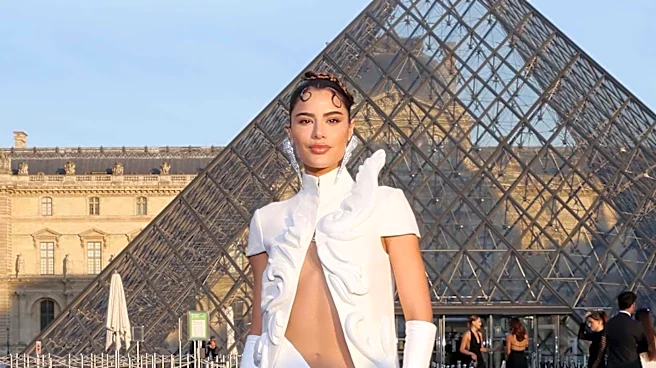
The ESPYs red carpet is the perfect showcase for this trend because the athletic physique presents a unique tailoring challenge. Broad shoulders, a narrow waist, and developed muscle groups defy off-the-rack sizing. A traditional, rigid suit can often look restrictive on an athlete, but a poorly made relaxed suit will look sloppy and formless. The precisely constructed soft suit, however, is the ideal solution. It accommodates an athletic build without constricting it, showcasing the wearer's physical presence rather than masking it. The natural shoulder line of a soft jacket follows the body's own contours, and the lighter construction allows for freedom of movement that feels more authentic to someone who lives in their body for a living. It’s a style that says 'power' through confidence and ease, not just through sharp, intimidating lines.