


The Protector: Understanding Setting Powder
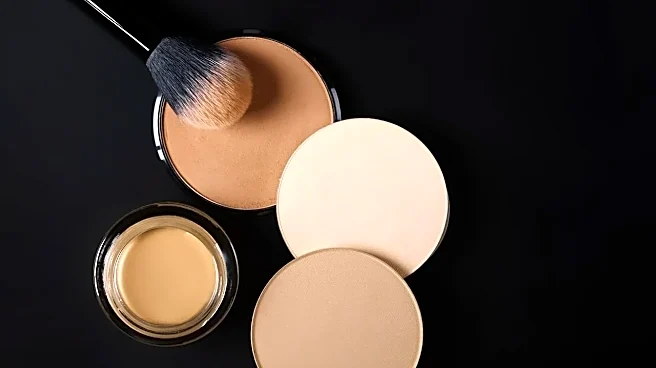
Think of setting powder as the functional workhorse of your makeup routine. Its primary job is to “set” your liquid and cream products, like foundation and concealer, to prevent them from sliding around, creasing, or fading throughout the day. By absorbing
excess oil from both your skin and the makeup itself, it creates a smudge-proof, durable base. The result is a matte finish that significantly extends the life of your look. This makes it an essential step after applying your base, as it also creates a smooth, dry canvas for any powder products you apply next, such as blush or bronzer. They come in both translucent and tinted versions, in loose or pressed forms.
How to Apply Setting Powder Correctly
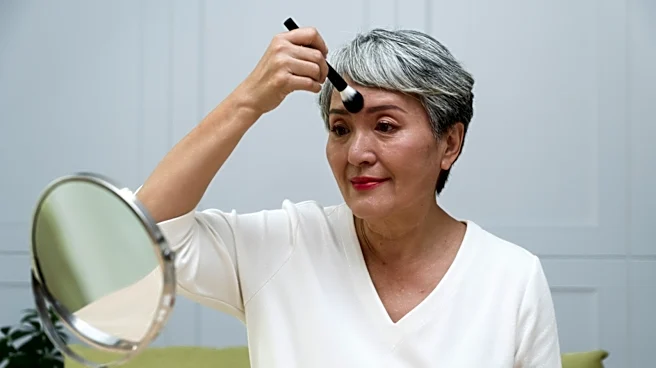
To get the most out of your setting powder, application is key. For a general, all-over set, use a large, fluffy brush. Tap the brush into the powder, gently knock off the excess, and then press and roll the brush onto your skin, focusing on the T-zone and under-eye area where makeup is most likely to move or crease. Avoid dragging or sweeping the brush, which can disturb the foundation underneath. For a more intense, long-wearing application, particularly under the eyes or in oily areas, you can use a technique called “baking.” This involves applying a thicker layer of powder with a damp sponge or puff, letting it sit for several minutes to absorb oil, and then dusting off the excess with a clean brush.
The Finisher: What Is Finishing Powder?
If setting powder is the workhorse, finishing powder is the artist, providing the final flourish. Its main purpose is aesthetic, not functional. Described by makeup artists as a real-life photo filter, finishing powder is designed to blur imperfections like fine lines and pores, giving the skin a smooth, airbrushed effect. These powders are incredibly finely milled and often contain light-reflecting particles that create a soft-focus glow. Unlike setting powders, they are not primarily designed for oil absorption and won't lock your makeup in place with the same strength. Instead, they are used as the very last step to diffuse your look and harmonize all the elements, from bronzer to blush.
How to Use Finishing Powder for an Airbrushed Look
The golden rule of finishing powder is that less is more. Because these powders are meant to sit on top of the skin to create a visual effect, over-applying can lead to a cakey or chalky appearance, especially in flash photography. Use a very light hand and a large, soft brush. After all your other makeup is complete (including blush, highlighter, and setting spray), lightly dust the finishing powder all over your face. Focus on the center of your face or any areas where you want to minimize texture and create a seamless, filtered finish. For special events or photos, this step can elevate your makeup from good to professionally polished.
Setting vs. Finishing: Can You Use Both?
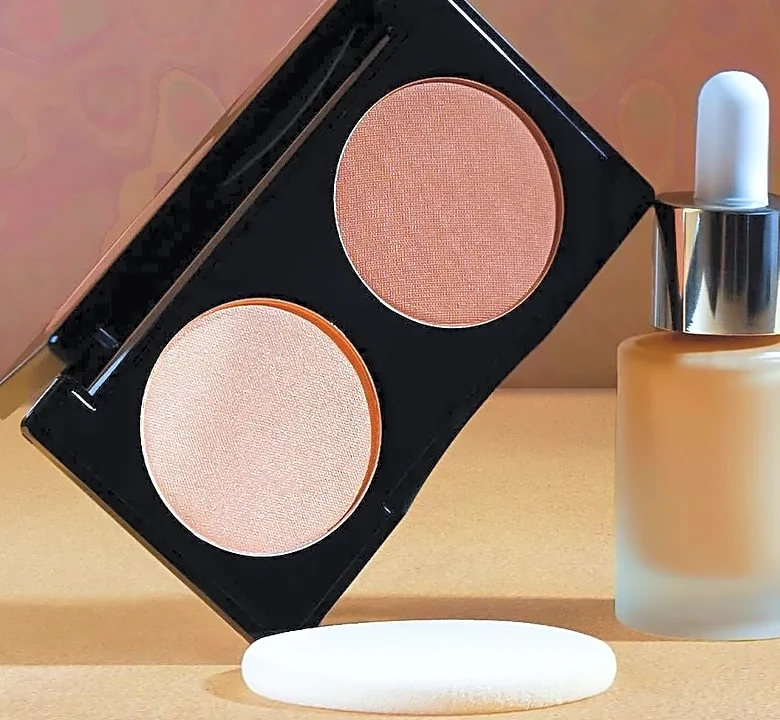
Yes, you can absolutely use both, and for many big events or photoshoots, makeup artists do just that. The key is to use them in the correct order. Always apply setting powder first, directly after your cream and liquid products, to lock everything down. Then, proceed with the rest of your powder products like bronzer and blush. As the final touch to your entire look, you would then apply a light dusting of finishing powder to blur and perfect the skin's appearance. Some makeup artists even recommend a “sandwich” technique for ultimate longevity: apply setting powder, use a setting spray, and then apply finishing powder for an airbrushed look that lasts for hours.