




An Undisputed Outerwear Icon
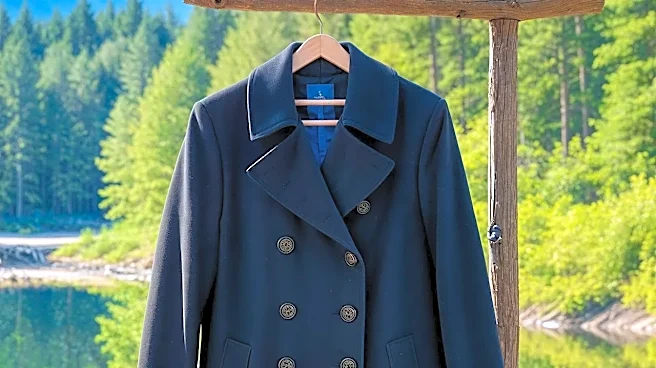
From its origins on the windy decks of 18th-century naval ships to its current status as a menswear staple, the peacoat has earned its iconic reputation. Its classic design—a double-breasted front, broad lapels, and a hip-length cut—is both functional
and effortlessly stylish. Originally crafted from heavy Melton or kersey wool to protect sailors from the elements, the coat was built for durability and warmth above all else. Today, it’s the go-to choice for anyone seeking a coat that can handle a formal occasion as easily as a casual weekend. It projects a quiet confidence, a sense of history, and an appreciation for things that are built to last.
Where Most Reviews Go Wrong
When you’re shopping for a new peacoat, online reviews and product descriptions tend to highlight the same few features. They’ll talk about the wool content, usually advising a blend with at least 80% wool for a good balance of warmth and durability. They’ll mention the fit, stressing that the shoulder seams should align with your own and that the coat should taper slightly at the waist. They might even discuss the buttons, often featuring the classic fouled anchor design as a nod to the coat’s naval heritage. While these are all important points, they’ve become standard checkboxes. Focusing only on them means you might miss a more telling sign of a truly well-made garment—a detail that separates the merely good from the truly exceptional.
The Secret Under the Collar
The hidden detail that often separates high-end peacoats from their mass-market counterparts lies under the collar. On a genuinely well-crafted coat, you will often find one of two things: either intricate stitching that helps the collar stand up perfectly when popped, or a detachable throat latch. The stitching, sometimes in a zig-zag pattern, isn’t just decorative; it's a tailoring technique known as pad-stitching. This reinforces the collar, giving it the structure and shape needed to stand up against the wind, just as it was designed to do for sailors at sea. Alternatively, some heritage and high-end coats include a throat latch, a small strip of fabric with buttonholes that can be buttoned across the neck when the collar is up, sealing out the cold. This feature, often stored on a button under the collar or found in a pocket, is a direct link to the coat's utilitarian past.
Why This Tiny Detail Matters
So, why does some stitching or a small fabric tab matter so much? Because it's a deliberate choice by the manufacturer to include a feature that most consumers will never notice. It costs more in time and materials to add pad-stitching or a functional throat latch. Fast-fashion brands, focused on cutting costs, will almost always skip this step, resulting in a floppy collar that looks awkward when turned up. The presence of this detail is a strong signal that the maker wasn't just building a coat that looks like a peacoat, but one that respects the functional design and heritage of the original. It suggests an overall commitment to quality. If a brand is paying this much attention to the underside of the collar, it's highly likely they've used better materials and construction techniques throughout the entire garment.
How to Spot Quality in the Wild
The next time you're trying on a peacoat, don't just check the fit in the mirror. Take a moment to flip up the collar. First, look underneath. Do you see neat, dense stitching holding the undercollar fabric? Does it feel structured, or is it just a flimsy piece of felt? Pop the collar and see how it holds its shape. A well-made collar will create a clean, sharp line around your neck. Second, check under the collar for small buttons that might be used to attach a throat latch. Sometimes the latch itself will be in the coat pocket. If you find either of these features, you can be more confident that you're holding a garment built with integrity and designed to last for years, not just a single season.