






Embracing a Beloved Format
The mockumentary sitcom is hardly a new invention. Following the massive success of shows like 'The Office' and 'Parks and Recreation,' the format became so common it risked feeling tired. But 'Abbott Elementary' doesn’t treat the format as a gimmick;
it uses it as a foundation for authentic, heartfelt storytelling. The direct-to-camera interviews and knowing glances from the characters aren't just for laughs—they're windows into the inner lives of teachers who are often overlooked. The show, which recently announced its sixth season will premiere on October 7, 2026, understands that the mockumentary style creates an immediate intimacy. It makes the fictional Willard R. Abbott Elementary School feel like a real place, populated by people we know and care about, a quality that has become increasingly rare in modern television.
The Power of Specificity
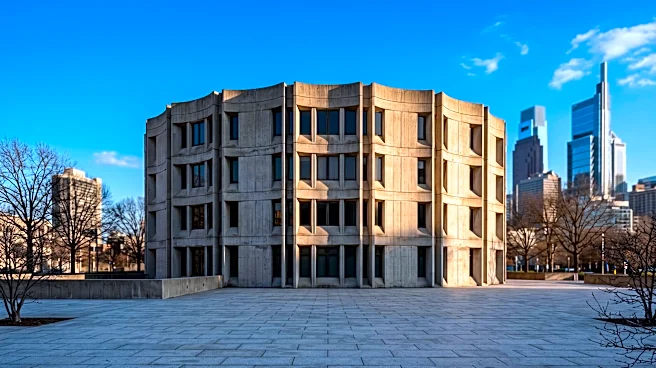
Many network comedies of the past aimed for broad appeal, creating generic characters and settings in the hope of offending no one and attracting everyone. 'Abbott Elementary' succeeds by doing the exact opposite. The show is unapologetically specific in its setting—a predominantly Black, underfunded public school in Philadelphia. This specificity, born from creator and star Quinta Brunson's own experiences with her teacher mother, is the show's superpower. It allows for stories that are not only hilarious but also culturally resonant and deeply human. Rather than trying to be about every workplace, it focuses on the unique challenges and joys of being a teacher in this particular environment, from navigating the district's bureaucracy to celebrating small victories with students. This approach has proven that authenticity has a broad appeal after all.
Laughter with a Purpose
It’s easy for a show about real-world problems like underfunded schools and teacher burnout to become preachy or depressing. 'Abbott Elementary' masterfully avoids this trap. The series tackles serious issues, but it does so through the lens of comedy and character. The humor doesn't diminish the problems; it highlights the resilience and optimism of the people facing them. We laugh when Barbara Howard (Sheryl Lee Ralph) takes matters into her own hands to fix a broken toilet or when Janine Teagues (Quinta Brunson) launches an ill-fated juice initiative, but we also see the real frustration behind their actions. The show reminds us that comedy can be a powerful tool for social commentary, allowing audiences to engage with difficult topics without feeling lectured. It’s a delicate balance that few series manage to strike so effectively.
A True Ensemble Effort
In a television landscape often dominated by high-concept plots and major stars, 'Abbott Elementary' is a testament to the enduring power of a great ensemble cast. While Quinta Brunson is the creative force, the show's success hinges on the chemistry between every single character, from the veteran teachers to the hilariously inept principal, Ava Coleman. Each member of the cast is given a chance to shine, creating a dynamic where every character feels essential to the story. The slow-burn romance between Janine and Gregory (Tyler James Williams) provides a compelling narrative arc, but the show is equally invested in the mentorship between Janine and Barbara, the odd-couple friendship of Gregory and Jacob, and Melissa's mysterious connections. This focus on community and relationships is a hallmark of classic sitcoms, and 'Abbott' proves it's a formula that, when executed with this much heart, never gets old.