







The Fashion Press Blind Spot
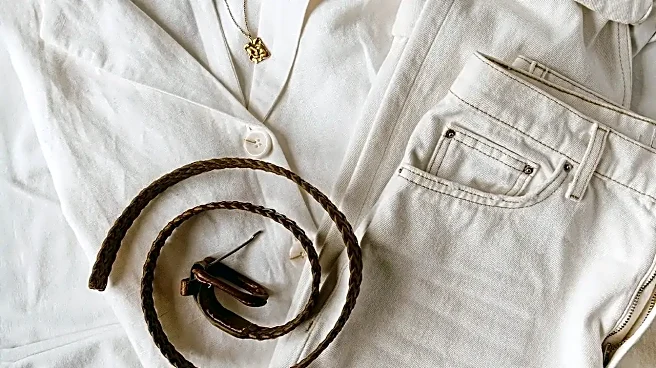
Flip through any style guide for graduates and you'll find a familiar theme: lightweight fabrics for comfort, solid colors that won't clash with your gown, and advice on choosing between a classic dress, a chic jumpsuit, or a tailored suit. The coverage
is practical, focusing on photo-readiness and avoiding wardrobe malfunctions. It treats the outfit as an accessory to the ceremony, a placeholder to be worn until you can toss your cap. But this perspective is incredibly narrow. It presumes the wearer's primary concern is adhering to a semi-formal dress code or finding an outfit that can be repurposed later. This completely ignores the profound personal and cultural narratives woven into the very threads of what graduates choose to wear on one of the most significant days of their lives.
A Uniform of Individuality
The graduation gown is a great equalizer, a tradition rooted in 12th-century academia designed to unify students and mask social disparities. But it’s the slivers of personal style that peek out—the collar, the hemline, the shoes—that truly tell a story. In this sea of polyester, a small choice becomes a powerful act of identity. This is underscored by the concept of "enclothed cognition," where clothing doesn't just change how others see us, but how we think and feel about ourselves. An outfit chosen for graduation isn't just clothing; it's a carefully selected armor of confidence. It might be a pair of pants worn in defiance of an outdated dress code, or the first suit you bought for yourself, representing a step into a new professional identity. These choices are declarations made in a space of conformity, reminding everyone that beneath the uniform is an individual who took a unique path to get there.
The Fabric of Family and Sacrifice
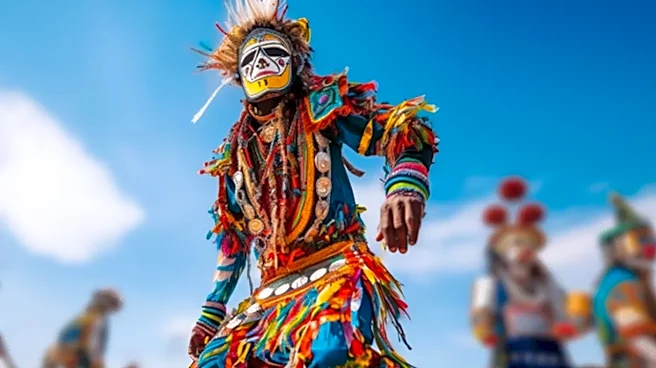
For many, a graduation outfit is a tribute. It’s a wearable thank you note to the people who supported them. This is especially true for first-generation graduates, for whom the ceremony is a monumental victory for an entire family. A stole declaring "First Generation" is more than an accessory; it's a public acknowledgment of breaking barriers and honoring sacrifice. The outfit underneath might be a dress bought by a proud mother, a tie that belonged to a grandfather, or clothing made from a fabric that represents one's cultural heritage. One graduate from Nepal might wear a Sari, with colors representing the nation's flag, while an Indigenous graduate might wear items signifying their specific community. These garments are imbued with the stories of parents who worked multiple jobs, of families who immigrated for a better future, and of a community's collective hope. They are tangible symbols of a journey that was never taken alone.
More Than a Photo, It's a Statement
Ultimately, the graduation outfit is the first costume for the next act of your life. It's a statement about who you've become and who you intend to be. Psychology tells us that what we wear can prime our mindset for success, competence, and authority. Choosing a specific outfit for this rite of passage is an intentional act of stepping into a new role. It’s not just about looking good in photos; it’s about feeling the part. For some, it might be the most expensive or formal outfit they've ever owned, a symbol of arrival and upward mobility. For others, it’s a quiet nod to their roots or a bold expression of their identity before they are subsumed into the corporate or professional world. It's a bridge between the student you were and the person you are about to become, a final, personal statement made on the cusp of a new beginning.