


The Rise of the Mani-Cam
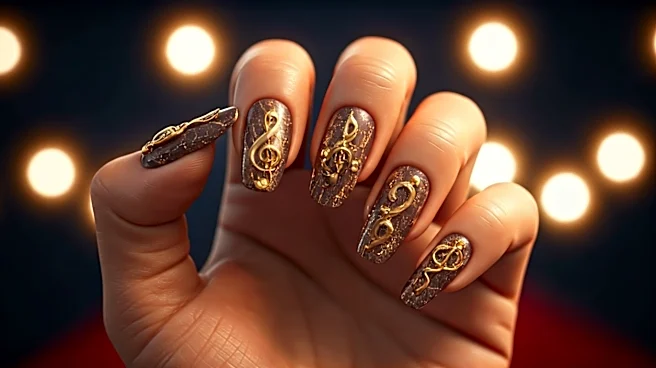
Not long ago, a celebrity’s manicure was a finishing touch, a simple coat of red or nude polish chosen to complement a dress. Today, it’s a statement piece. The shift began with the rise of high-definition photography and, most notably, the E! network’s infamous “mani-cam”—a tiny red carpet for celebrity hands. While the physical mani-cam itself was short-lived, its legacy was profound. It trained audiences and media to look closer, to treat nails as a distinct creative canvas. Social media, particularly Instagram, cemented this change. A single, well-lit photo of an intricate nail design can now go viral, generating as much buzz as the outfit itself. For a celebrity manicurist, this means their work is no longer an accessory to the fashion;
it’s a potential headline. This elevated status turns the ten tiny canvases on a star's hands into a high-stakes opportunity.
A Walking, Waving Advertisement
The “billboard” concept is most literal when it comes to brand partnerships. Nail polish companies like OPI, Essie, or CND know that a celebrity endorsement—even a passive one—is incredibly powerful. Getting their latest shade on a major artist at the AMAs is a marketing coup. This often happens in one of two ways: a formal sponsorship, where the brand pays a manicurist to exclusively use and credit their products for a celebrity's look, or an informal relationship, where artists are seeded with new collections in hopes of an organic placement. When a manicurist like Tom Bachik (who works with Jennifer Lopez and Selena Gomez) or Zola Ganzorigt (the artist behind Hailey Bieber's viral “glazed donut” nails) posts a look and tags the polish brand, it drives immediate consumer interest. A shade can sell out overnight. For the brands, it’s targeted advertising that feels authentic and aspirational, reaching millions of potential customers for a fraction of the cost of a traditional ad campaign.
Building the Artist's Brand
The billboard doesn't just sell polish; it builds careers. For celebrity nail artists, awards shows are the equivalent of the Olympics. A standout look at the AMAs is a massive portfolio piece that showcases their creativity, technical skill, and ability to collaborate on a high-level vision. It’s their chance to prove they are not just technicians but true artists. A viral manicure can lead to a cascade of opportunities: more A-list clients, lucrative brand ambassadorships, editorial spreads in magazines like Vogue or Allure, and even their own product lines. Chaun Legend, for example, became a household name in the beauty world for his work with the Kardashians, translating his signature long, sculpted style into a major personal brand. The red carpet manicure is a calling card. It announces to the industry that the artist is in-demand, on-trend, and capable of delivering under pressure.
The Art of the Social Media Play
The work isn't over when the last top coat dries. The final, crucial step is the social media rollout. A celebrity manicurist’s Instagram post is a masterclass in strategic tagging. It will typically include the celebrity, the nail polish brand, the stylist, the makeup artist, the hairstylist, the event itself (#AMAs), and sometimes even the jeweler who provided the rings. This creates a digital ecosystem of cross-promotion. Everyone involved has a vested interest in sharing the content, amplifying its reach exponentially. The caption often provides a “how-to,” listing the exact shades and products used, which serves both the brand sponsor and a legion of fans eager to replicate the look. This turns a simple photo into a piece of service journalism, a branding tool, and a viral asset all at once. The manicure is the product, but the perfectly executed Instagram post is the ad campaign that makes it all worthwhile.