



The Months-Long Audition
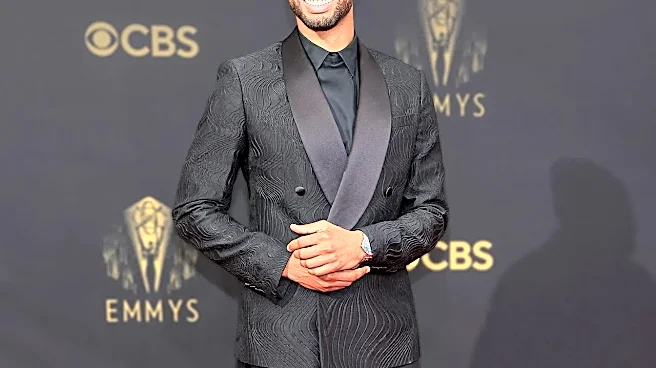
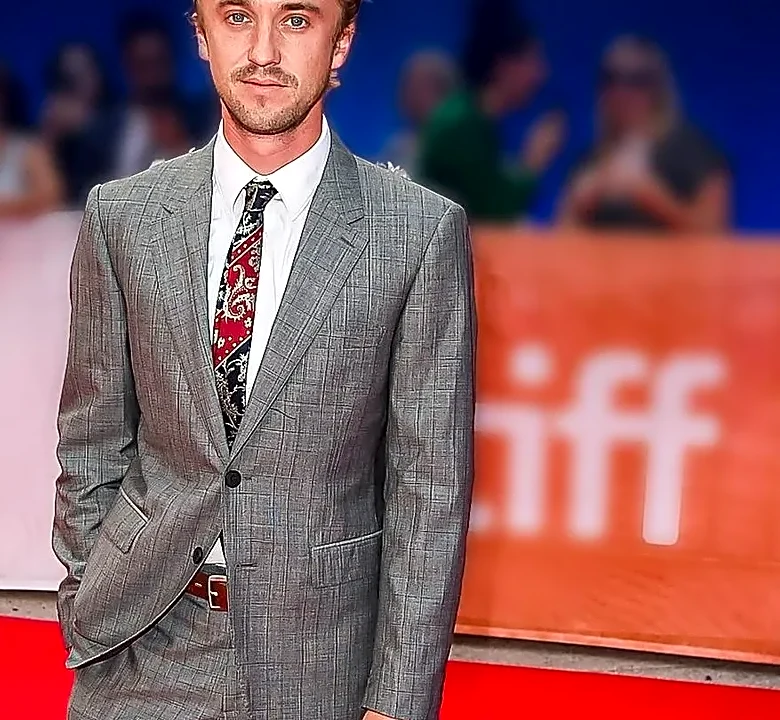
That “wow” moment on the red carpet is anything but spontaneous. It’s the result of months of strategic planning between a celebrity, their stylist, and a fashion house. Stylists are the masterminds, acting as cultural translators and brand brokers. They
sift through countless options, commission custom gowns, and negotiate exclusive partnerships. The goal isn't just to look good for one night; it's to create an iconic, memorable image that tells a story about the celebrity’s personal brand and resonates with the public. Every choice, from the silhouette to the shade of emerald green, is deliberate. This pre-game is a high-stakes chess match where designers loan out six-figure gowns, betting that a single, perfect photograph will provide more value than a traditional ad campaign.
The Digital Detonation
The second a celebrity’s shoe hits that red carpet, the image belongs to the internet. Before the first award is even handed out, photos are uploaded, shared, and dissected in real-time across Instagram, X, and TikTok. Fashion bloggers, critics, and millions of users instantly become a global jury, crowning best-dressed lists and creating memes. This is the moment of detonation. Within hours, a look is deconstructed: “Who is she wearing?” “Where can I get that color?” Search interest for a specific style or designer can skyrocket by over 300% in the 48 hours following a major event. The image is no longer just a picture; it’s a data point, a viral trend in the making, and a mood board inspiration pinned by millions.
From Red Carpet to Retail
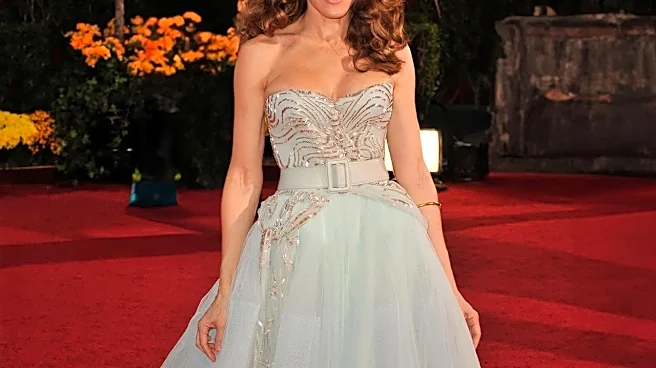
So, how does Natalie Portman’s elegant Emmys gown end up influencing your work wardrobe? Through a rapid, two-pronged process. First, high-end and contemporary brands take note of the prevailing themes—structured tailoring, specific color palettes, or a return to classic glamour—and incorporate them into upcoming collections. But the more immediate and explosive phenomenon is the “dupe” economy. Fast-fashion giants and nimble online retailers use the red carpet as a real-time focus group. Within weeks, sometimes days, affordable alternatives, or “dupes,” of the most popular looks appear online. These aren’t illegal counterfeits; they are inspired-by pieces that capture the aesthetic—the silhouette, the color, the vibe—at a fraction of the cost, feeding a generation of shoppers who value the look more than the label.
Your Algorithm, Your Stylist
In the past, fashion inspiration trickled down from magazines. Today, it’s served up by an algorithm. Social media has fundamentally democratized this process. A TikTok creator showing you how to style a “dupe” of an Emmys look has become just as influential as a glossy magazine editorial. These platforms act as a digital fitting room, where you can see how a trend looks on different body types and in real-life settings. The conversation is no longer one-way. Users are not just passive consumers; they are active participants, reinterpreting, styling, and sometimes even creating the trends themselves. The red-carpet image is the spark, but the community-driven fire on social media is what makes it a lasting cultural reference.