





The Art of Seeing the Future
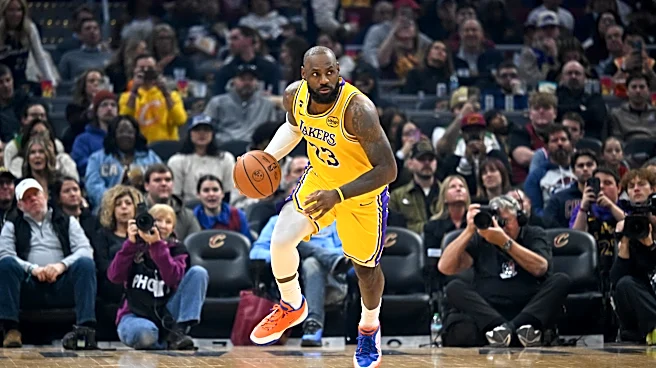
At its core, both a through ball and an alley-oop are acts of prophecy. The passer isn't delivering the ball to where their teammate is, but to where they are going to be. A point guard like Chris Paul doesn't lob the ball to a stationary Blake Griffin
under the basket; he throws it to a precise spot in the air above the rim, trusting Griffin will meet it there. Similarly, a midfielder like Kevin De Bruyne doesn't pass to a striker’s feet. He slides the ball into the open space behind the defensive line, anticipating the exact trajectory of his forward’s run. It’s a pass aimed at a ghost—a future version of their teammate—that only the two of them can see. This shared vision, this ability to predict movement and space in a chaotic environment, is the foundation of both plays.
A Question of Perfect Timing
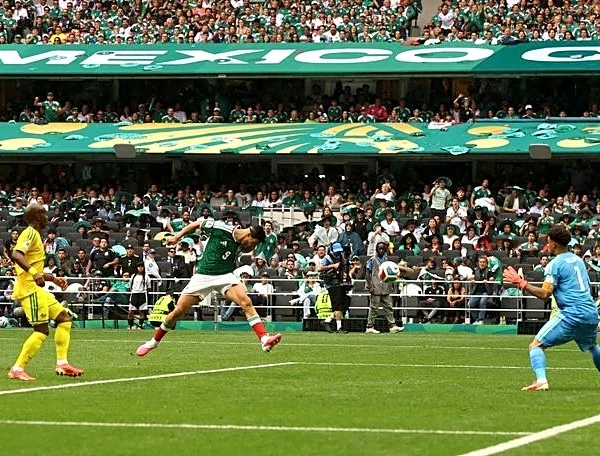
The prophetic vision is worthless without impeccable timing. The margin for error is razor-thin. In basketball, throw the lob a half-second too early, and the defender has time to recover or intercept it. Throw it a half-second too late, and the jumper has already started their descent. The magic window is infinitesimally small. The same is true in soccer, but with an added layer of regulation: the offside rule. A striker cannot be ahead of the last defender when the ball is played. Therefore, the passer must release the ball at the exact moment the striker is level with the defense, allowing them to sprint onto the pass without being flagged. This split-second synchronization is what separates a routine pass from a defensive-splitting masterpiece. It’s a perfectly timed key unlocking a defensive door.
The Unspoken Agreement
These plays are built on a foundation of pure, unadulterated trust. The receiver has to commit completely, often without knowing for certain that the ball is coming. The striker must start their explosive run, trusting the midfielder has seen the same opening and possesses the skill to deliver the ball. The basketball player must launch themselves toward the rim, trusting the point guard will place the ball perfectly for them to finish. It’s a leap of faith. This chemistry is often developed over hundreds of hours in practice, but the best duos seem to have an innate, telepathic connection. When you saw Dwyane Wade look at LeBron James before the iconic pass in 2010, or when you watch Son Heung-min start his run before Harry Kane even looks up, you’re witnessing a non-verbal contract being executed in real-time.
Breaking the Defensive Structure
Both plays serve the same tactical purpose: to bypass the opponent's primary defensive wall and generate a high-percentage scoring opportunity. A defense in both sports is designed to keep attackers in front of them, forcing low-percentage shots from a distance. The through ball and the alley-oop are designed to break that fundamental rule. A through ball eliminates the entire defensive line, putting the striker in a one-on-one situation with only the goalkeeper to beat. An alley-oop bypasses the shot blockers on the floor, creating an opportunity for a dunk or layup directly at the rim—the most efficient shot in basketball. They are both elegant solutions to the same problem: how do you get behind the wall?
The Exclamation Point on the Game
Beyond tactics, these plays are aesthetically perfect. They are the moments that make crowds erupt. The alley-oop is a display of explosive athleticism and grace, a vertical spectacle. The through ball is a moment of quiet genius, a subtle slice of a scalpel that leaves the entire stadium holding its breath before the roar. Both result in a satisfying conclusion—the slam dunk or the clean finish into the net. They are not just plays; they are statements. They signal a level of intelligence, chemistry, and execution that demoralizes opponents and electrifies teammates and fans. They are the ultimate highlight-reel fodder, the kind of play you rewind and rewatch, appreciating the symphony of vision, timing, and trust that made it possible.