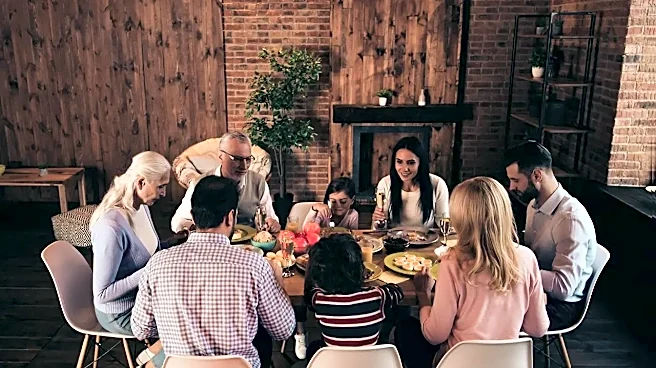







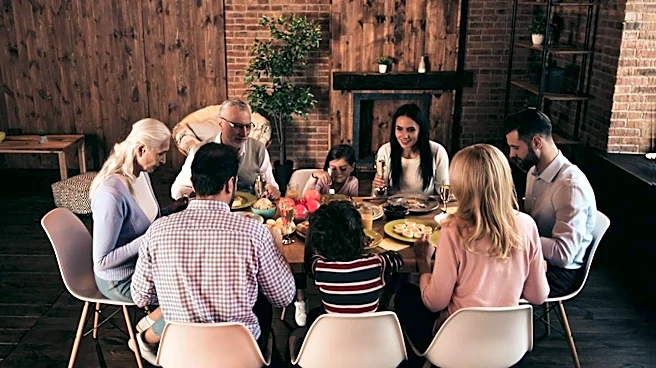
The scene is familiar: the family is gathered, the food is plentiful, and the gentle (and sometimes not-so-gentle) teasing begins. While it might seem like a recipe for drama, this holiday ritual is often a sign of a surprisingly strong family unit.
A Different Kind of Love Language
For
families who aren't prone to grand emotional declarations, teasing can be a primary language of affection. A dry joke about your questionable fashion choices in college or a recurring jab about the time you burned Thanksgiving dinner isn't just a dig; it’s a way of saying, 'I remember you, I see you, and you’re part of this tribe.' Research shows that this form of playful banter can be a way to express affection and build closeness. It’s an indirect communication style that reinforces bonds by relying on shared history and inside jokes that only family members would understand. In this context, the teasing acts as a social glue, reaffirming that you are known and accepted, quirks and all.
Building an Exclusive Club
Every family has its own unique culture, and the brand of humor they share is a huge part of that. The specific things your family teases each other about—that embarrassing nickname from childhood, Dad's obsession with the thermostat, or Mom's unique pronunciation of a certain word—are like passwords to an exclusive club. This shared humor creates a strong in-group identity. When your brother-in-law finally learns the backstory of a family joke and starts using it correctly, it’s a sign he’s been fully accepted. This dynamic strengthens the family unit by drawing a clear, affectionate line between 'us' and the rest of the world, fostering a sense of belonging and shared tradition that is deeply comforting.
The Fine Line Between Playful and Painful
Of course, there’s a crucial difference between good-natured ribbing and outright bullying. Healthy family teasing operates on a set of unwritten rules. The most important one is that the intent must be affectionate, not hostile. The topics are usually 'safe zones'—shared memories or harmless quirks, not deep-seated insecurities. Teasing about someone's appearance or weight, for example, is often hurtful and can have negative long-term consequences. In strong families, the teasing is reciprocal; everyone is both a potential target and a teaser, and there's an understanding that anyone can call a timeout if a joke goes too far. If someone looks genuinely hurt, the teasing stops. This balance ensures that the humor connects people rather than alienating them.
A Training Ground for the Real World
Growing up in a family that knows how to tease effectively can also be a surprising source of resilience. Learning to handle a well-intentioned jab from a sibling teaches you how to laugh at yourself, a skill that is invaluable in life. It helps build a thicker skin and the ability to not take every comment to heart. Within the safe environment of the family, children can learn how to deliver a witty comeback or deflect a joke with grace. This kind of playful interaction promotes cognitive flexibility and creative problem-solving. It’s a low-stakes training ground for navigating the more complex social dynamics they'll encounter at school and in the workplace.