




A Legacy Woven into History
To understand Milan, you have to understand that Italian fashion was built from the yarn up. Long before the concept of a 'fashion week' existed, cities across Italy were global centers for textile production. Florence was renowned for its wool, Como
for its silk, and Venice as a trade hub for luxurious materials from around the world. This history isn't just a footnote; it's the entire foundation. Unlike other fashion capitals that might prioritize conceptual art or commercial trends, Milan's identity is inextricably linked to the quality of its materials and the artisans who make them. This heritage means that for Italian designers, fabric isn't just a starting point; it’s the main character of the story. The selection of a specific wool from Biella or a silk from Como is as crucial as the silhouette of the garment itself.
The Big Houses: Material as Identity
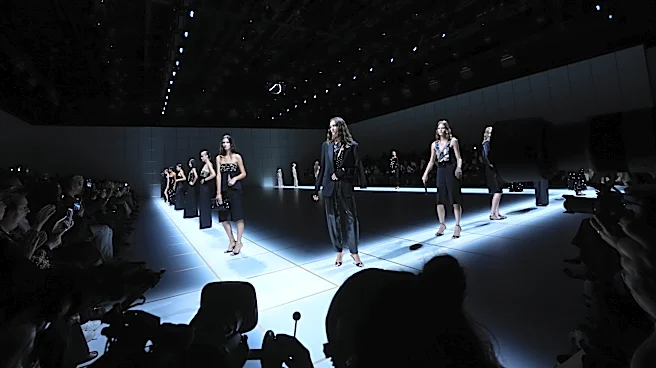
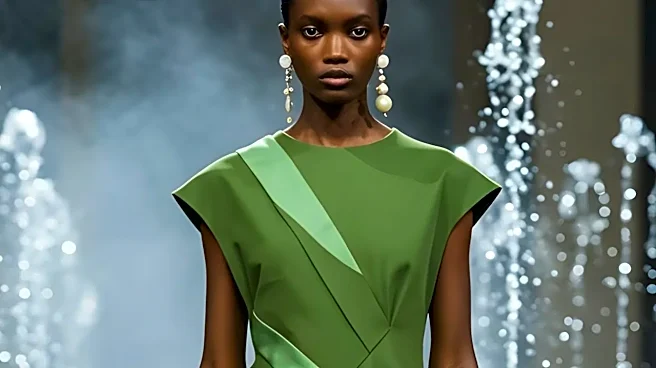
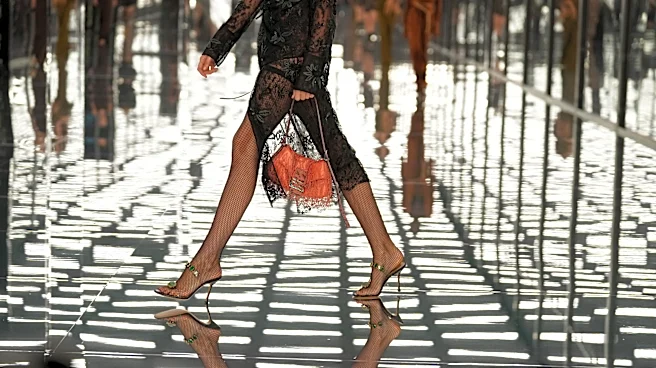
Nowhere is this fabric-first philosophy more apparent than in the city's legendary fashion houses. At the recent Spring/Summer 2027 shows, the story was less about wild new shapes and more about tactile innovation. Take Prada, where Miuccia Prada and Raf Simons dedicated an entire collection to exploring the possibilities of the skirt. They presented it in a dizzying array of materials: sheer organza, wool, taffeta, and even cotton treated to look like leather or suede. This wasn't just about showing different skirts; it was an exercise in how material transforms a simple object. At Fendi, Maria Grazia Chiuri focused on sensuality through the interplay of textures, contrasting the fragility of lace and sheer lingerie-style pieces with the structure of heavier coats. The collection featured a mix of silk, velvet, and intricate knits, demonstrating how different fabrics can convey complex emotions of strength and delicacy.
Where Tradition Meets Tech
Milan’s mastery isn’t just about preserving ancient techniques; it's about pushing them into the future. This is a city where age-old mills collaborate with design houses on cutting-edge developments. Prada has a long history of this, famously turning utilitarian nylon into a luxury material. The latest collections continue this dialogue. Brunello Cucinelli, a brand synonymous with cashmere, showcased sheer organza, raffia, and hand-worked crochet alongside traditional workwear fabrics, creating a relaxed yet polished coastal feel. Meanwhile, Bottega Veneta is known for its experiments, creating textures that mimic other materials, like fiberglass that looks like fur or silk thread engineered to resemble shearling. This blend of high-tech and high-touch is what keeps Italian fashion relevant. It respects the hand of the artisan while embracing processes that create fabrics that are lighter, more durable, and more dynamic than ever before.
More Than Just Clothes
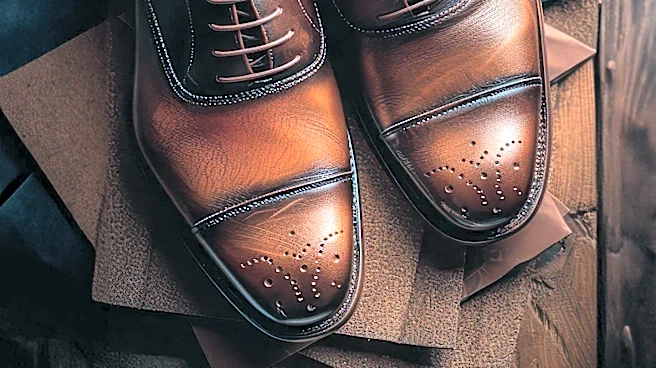
Ultimately, the focus on fabric in Milan is a commitment to longevity and quality over fleeting hype. The clothes feel substantial because they are. The softness of a knit, the structure of a leather piece, or the fluid drape of a silk dress are not afterthoughts—they are the central pillars of the design. This deep respect for material is a cultural expression, a philosophy of excellence passed down through generations. It’s why the term “Made in Italy” has become a global synonym for quality. While other fashion weeks might offer more dramatic conceptual statements or chase the latest viral trend, Milan provides something more enduring: a reminder that at its core, fashion is an art form rooted in the tangible beauty of what something is made of.