


The Great Micro-Bag Correction
Remember the micro-bag? For a moment, it seemed the pinnacle of luxury was an accessory that could hold little more than a single AirPod and a dose of irony. From Jacquemus’s doll-sized Le Chiquito to Lizzo’s hilariously tiny Valentino purse, the gimmick
bag reigned supreme. It was a status symbol that broadcasted a life so charmed, you didn’t need to carry anything. You had people for that. But fashion, like all things, is cyclical. The pendulum is swinging back with force. In Milan, the historic heart of Italian leather craftsmanship, the mood has sobered. The best bags presented by titans like Prada, Fendi, and Bottega Veneta weren't absurdly small or impractically shaped. Instead, they were capacious, organized, and quietly confident. This isn’t a surrender to the boring; it’s a correction toward the substantive. The new fantasy isn’t a life free of burdens, but a life so full and interesting that you need a fantastic bag to manage it all.
Evidence from the Runway
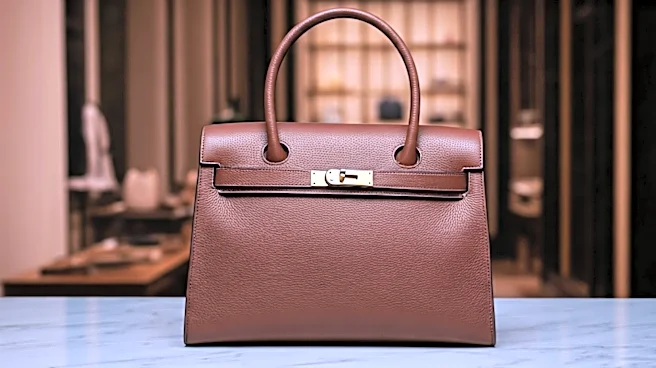
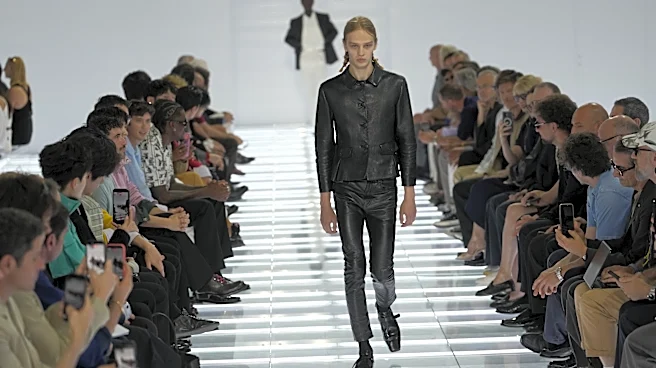
Look no further than the recent collections for proof. At Fendi, Kim Jones and Silvia Venturini Fendi presented bags that were studies in pragmatic elegance. Totes featured multiple functional pockets on the exterior, and new styles like the Flip—a foldable clutch that transforms into a shopper—were designed for versatility. There was an acknowledgment that a modern woman’s day is not linear. At Prada, Miuccia Prada and Raf Simons continued their exploration of intellectual uniforms, pairing them with handbags that meant business. Structured, top-handle bags were large enough for a tablet, while supple leather totes looked ready to be slung over a shoulder for a weekend away. Similarly, at Bottega Veneta, Matthieu Blazy’s obsession with craft produced enormous, woven leather carryalls. These aren't just bags; they're beautifully made vessels for living. The common thread is clear: these are accessories for doers, thinkers, and movers, not just for posing.
The 'Quiet Luxury' Effect
This shift is inextricably linked to the broader cultural trend of “quiet luxury.” In a post-pandemic, economically uncertain world, ostentatious logos and flashy, trend-driven items can feel out of touch. Instead, discerning consumers are gravitating toward pieces that signal value through craftsmanship, material quality, and timeless design rather than brand recognition. A useful bag is the ultimate quiet luxury statement. It implies you’ve invested in something built to last, both in its physical construction and its aesthetic relevance. It’s a choice that prioritizes personal contentment over public performance. When a bag’s primary feature is its impeccable leather and thoughtful interior, rather than a giant, gold-plated logo, it speaks to a different kind of confidence. It says you bought this for yourself, for your life, not for the Instagram post.
A Bag for a Life Well-Lived
Ultimately, the rise of the useful bag is about closing the gap between runway fantasy and everyday reality. For decades, high fashion often sold a dream that was completely detached from the practicalities of a daily commute, a trip to the grocery store, or juggling work and family. The message was aspiration through escapism. The new message is aspiration through integration. The dream is no longer a life where you don't need a wallet, keys, or a phone, but a life where those necessities are housed in something exceptionally beautiful and functional. It’s a tacit admission from the world’s top designers that their client is a sophisticated, busy person living in the real world. She needs a bag that can keep up. In this new paradigm, usefulness isn’t the opposite of luxury; it’s the most authentic expression of it.