



The Hook Is a Tool, The Tattoos Are His Story
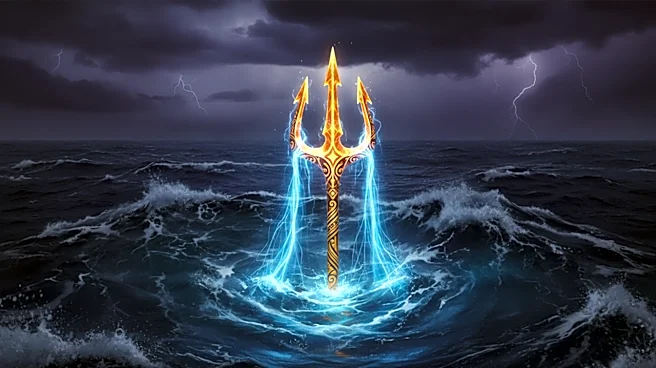
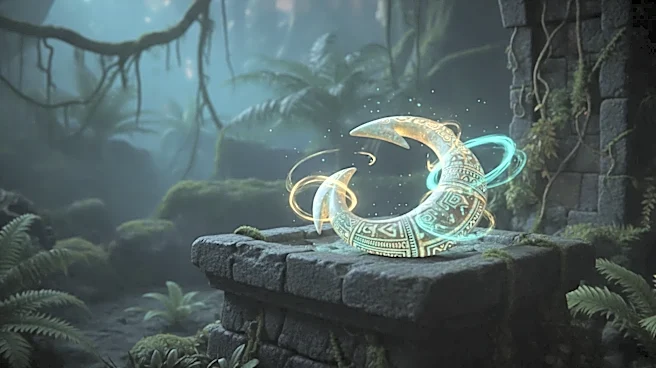
Maui’s magical fishhook, known as Manaiakalani in some myths, is undeniably cool. It allows him to shapeshift and, according to legend, is what he used to pull the islands from the sea. It’s a powerful accessory and a perfect toy for the merchandise aisle.
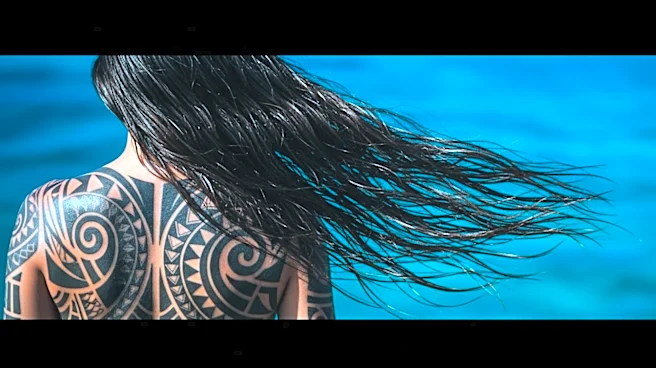
But brand equity isn’t just about selling toys; it’s about creating a deep, memorable connection with an audience. While the fishhook is something Maui uses, his tattoos are something he is. In the film, they are a living, breathing chronicle of his legendary deeds—a walking billboard of his entire resume. This design choice taps directly into the cultural significance of tatau (the Polynesian word for tattoo), which traditionally represents a person's genealogy, status, and life story. Disney's animators even brought this concept to life with 'Mini Maui,' a hand-drawn tattoo that acts as the demigod's conscience, giving his body art a narrative role that an external weapon could never fill.
The Power and Politics of Hair
Similarly, Maui’s hair is far more than just a stylistic choice. Early character designs reportedly showed Maui as bald, but that was changed following crucial feedback from the Oceanic Story Trust, a group of cultural advisors Disney assembled for the film. They advised that in many Polynesian cultures, long hair is a symbol of strength and mana, or spiritual power. By giving Maui a full, flowing mane, the creators didn't just make him look more formidable; they embedded a core cultural value directly into his physical being. His hair becomes a visual shorthand for his demigod status and raw power. This makes it an intrinsic part of his identity. The fishhook can be lost or broken, as it is in the movie, but his hair is a constant and personal source of his inherent strength, making it a much more integral and potent piece of his character design.
Authenticity Creates a Deeper Connection
The effort to get these details right, with guidance from cultural experts and tattoo artists, paid off immensely. The tattoos aren't just random patterns; they are inspired by traditional motifs that carry deep meaning, representing everything from one's connection to the ocean to their ancestral lineage. This layer of authenticity forges a powerful bond with audiences, especially those from Pacific Islander communities who saw their heritage reflected with respect on a global stage. This connection generates a different kind of value—one built on cultural resonance and emotional investment. The fishhook is rooted in pan-Polynesian mythology, representing strength, prosperity, and a connection to the sea. However, the tattoos and hair are more personal and tied to the very identity of a person, which allows for a deeper audience connection than a mythological weapon alone can provide.
Measuring Equity Beyond Merchandise
Ultimately, the brand equity of a character can be measured by how they live on in the public consciousness. While the light-up fishhook is a popular toy, it’s Maui’s overall look—the combination of his powerful physique, intricate tattoos, and dynamic hair—that truly defines him. This is what inspires countless Halloween costumes, detailed cosplay, and incredible fan art. People don't just want to hold Maui's hook; they want to be Maui. Brand characters become powerful assets when they are recognizable, relatable, and emotionally engaging. The tattoos and hair are central to Maui's personality and history, voiced with charisma by Dwayne Johnson, himself of Samoan heritage. They tell you who he is without him saying a word. The fishhook is what he does, but his hair and tattoos are who he is—and in the world of branding, identity always wins.