




The Public Transit Play: CTA & Metra
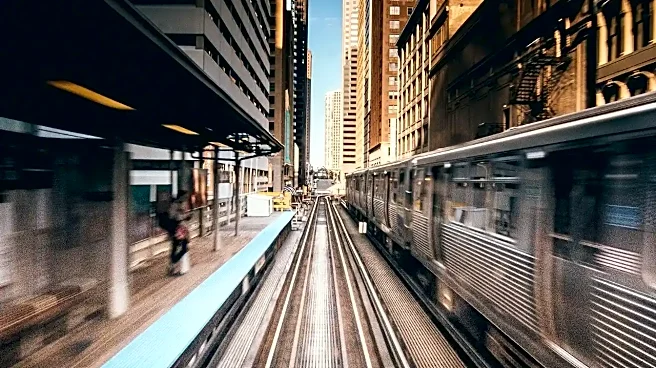
Chicago's public transit system is built for this. With expanded service on both CTA trains and Metra for Lollapalooza weekend, it's the most popular and often most logical exit plan. Expect massive crowds, but also constant throughput. The Red and Blue
lines, as well as the elevated Loop lines, are your primary arteries. For a slightly less frantic experience, consider walking a few blocks north of the park to a station like Chicago/State instead of joining the crush at Monroe or Jackson. Best For: The budget-conscious fan and those staying in neighborhoods along major train lines. Pros: It's by far the cheapest option. A multi-day CTA pass is a fraction of a single surge-priced rideshare. Trains and buses are designed to move large volumes of people, and with added capacity, you’ll be moving, even if it feels like you're packed in. Service is often extended, with the Yellow Line, for example, running until 1 a.m. Cons: Comfort is not the priority. You will be in a dense crowd from the moment you leave the gate until you're several stops away from downtown. The sheer volume of people can be overwhelming after a long day at the festival.
The Rideshare Gamble: Uber & Lyft
The siren song of a private car is strong when you're exhausted, but it comes at a significant cost in both dollars and patience. Official Lollapalooza guidance directs users to exit Grant Park and walk west of State Street to find the nearest pickup points, following directions in the app. This walk is mandatory, as there are no curbside pickups directly at the park exits. Be prepared for a chaotic scene with dozens of other groups trying to find their driver. Best For: Small groups with money to burn, or those heading to a destination not easily served by public transit. Pros: When it works, it offers door-to-door service and a guaranteed seat. You can decompress in your own space without navigating train transfers. For late-night afterparties across town, it can be the most direct route. Cons: The cost can be astronomical. Surge pricing is not a matter of 'if' but 'how much,' with fares easily tripling or quadrupling. Wait times are also a major factor; reports from previous years show average waits exceeding 45 minutes for a car. Add the 10-15 minute walk just to get to the pickup zone, and you might not be saving any time compared to the train.
The Shuttle Situation
Let's clarify a common misconception. While Lollapalooza offers complimentary golf cart shuttles, these are exclusively for navigating inside the park for VIP and Platinum ticket holders. They are designed to move guests between the main stages and premium lounges. Critically, these services end around 10 p.m. and do not provide transportation to exit the park at the end of the night. There are no official, Lollapalooza-run shuttles to hotels or remote parking lots for general admission attendees. Some private companies may offer charter bus services for large groups, but this requires significant advance booking. Best For: This option doesn't exist for post-show exit for the vast majority of attendees. Pros: Not applicable for exiting the festival grounds. Cons: Relying on a non-existent service is a recipe for a long night. Don't mistake the internal golf carts for a magical ride home.
The Post-Show Stroll: Walking
For those staying in hotels in the Loop, South Loop, or River North, walking is a genuinely fantastic option. It's free, immediate, and allows you to sidestep the initial crush at train stations and rideshare zones. By walking even 15-20 minutes away from Grant Park, you can put yourself in a much better position to catch a cab, a non-surging rideshare, or a less-crowded bus. Best For: Attendees staying within a two-mile radius of Grant Park or those who want to get a head start before hopping on transit. Pros: It's free and puts you in control. You start moving the second you're out of the gate, with no waiting for a vehicle to arrive. It's a great way to decompress and people-watch as the city's energy shifts from festival chaos to downtown nightlife. For many nearby hotels, it's faster than any vehicle stuck in post-festival gridlock. Cons: It requires energy you may not have after standing for ten hours. The weather is a major factor; a summer downpour can make it miserable. For solo festival-goers or those unfamiliar with the city, safety at night is a consideration, though the main thoroughfares will be heavily populated and well-lit.