



The Return of Sharp Tailoring
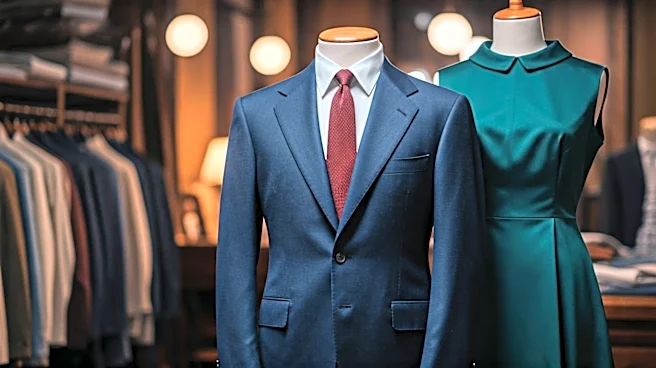
Before Don Draper, the American workplace was deep in the throes of business casual. Khakis, polo shirts, and shapeless blazers reigned. Then, suddenly, here was a man whose suit was his armor. The crisp white shirt, the narrow tie, the perfectly tailored
gray suit—it wasn't just a costume; it was a statement of intent. The show, through its peerless costume designer Janie Bryant, reminded a generation of men that tailoring wasn't just for their grandfathers. It was about power, structure, and a kind of aspirational discipline. In the years following the show’s debut, menswear saw a significant shift. Skinny suits became the default for young, style-conscious men. Brands like J.Crew and Banana Republic built entire collections around this new-old ideal of a well-dressed man. The pocket square made a non-ironic comeback. Don Draper made the suit feel not just necessary for boardrooms, but cool for bars, re-establishing a baseline of formality that had been eroding for decades.
Two Templates for Office Power
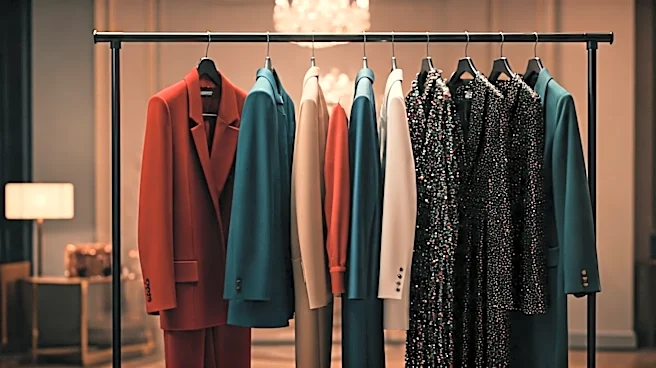
While Don’s style was a monolithic pillar of masculine confidence, the show’s female characters offered a more complex and ultimately more influential fashion narrative. In Joan Holloway, we saw the power of the bombshell silhouette. Her form-fitting sheath dresses and pen necklaces celebrated a curvaceous femininity that was both a tool and a trap within the Sterling Cooper hierarchy. Her style was an unapologetic embrace of womanhood in a man's world. On the other end of the spectrum was Peggy Olson. Her journey from mousy secretary in ill-fitting plaids to confident creative in bold, mod-inspired prints and pantsuits was one of television’s great character arcs, told brilliantly through clothing. Together, Joan and Peggy presented two powerful, distinct models for workplace attire that resonated deeply. They showed that professional dressing for women didn't have to mean a drab, neutered power suit. It could be form-fitting and commanding, or creative and evolving. This nuance helped pave the way for a broader acceptance of personality in women’s workwear.
From Screen to Storefront
The most concrete proof of *Mad Men’s* influence wasn't just a general vibe shift; it was literal. In 2011, Banana Republic launched the first of several officially licensed *Mad Men* collections, allowing viewers to buy their own piece of the Sterling Cooper Draper Pryce aesthetic. The collections were a runaway success, selling out and proving a powerful appetite for the show's look. Designers and brands took notice. Michael Kors cited the show's influence, and the silhouettes seen on runways at the time—fuller skirts, nipped-in waists, and structured sheath dresses—bore an uncanny resemblance to what Joan and Betty were wearing. The show created a powerful feedback loop: it mined the past for style, and in doing so, created a market for that style in the present. It became a visual blueprint for retailers looking to capture a desire for classic, grown-up elegance.
Why We Craved the Structure
So why did this look land with such force in the late 2000s and early 2010s? The timing was perfect. The show premiered just before the 2008 financial crisis, a moment of profound economic and social instability. In a world that felt chaotic and uncertain, the rigid structure of 1960s society, as depicted in *Mad Men*, held a strange appeal. That appeal was most visible in the clothes. The girdles, the structured jackets, the starched shirts—they represented an era of clarity and rules, however suffocating they may have been. For a generation accustomed to the deconstructed, casual styles of the '90s and early '00s, the polish of the *Mad Men* era felt like a sophisticated fantasy. It wasn't just about looking good; it was about projecting an image of control and competence in a world that felt increasingly out of control. The fashion of *Mad Men* offered a kind of psychological armor that was perfectly suited for the anxieties of its time.