





Start with Sound, Not Sight
We instinctively focus on the picture, but sound is the secret ingredient to big-match atmosphere. The roar of 60,000 fans, the thud of the ball, the shriek of the commentator—this is what makes a stadium feel alive. Your TV’s built-in speakers are notoriously
thin and tinny, compressing that wall of sound into a flat, lifeless drone. The single biggest upgrade you can make is a soundbar. You don’t need a complex, multi-speaker surround sound system. A simple, modern soundbar (many of which come with a wireless subwoofer) placed under your TV will instantly add depth, clarity, and bass. It separates the crowd noise from the commentary, making the entire experience more immersive. When you can feel the low rumble of the stadium chants in your chest, you’re no longer just watching; you’re there.
Calibrate Your Picture for the Pitch
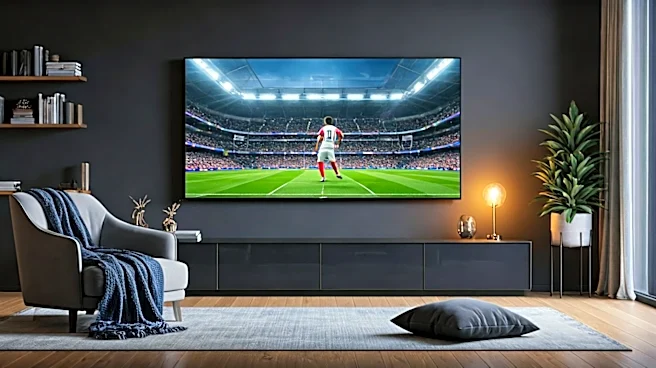
Most TVs come out of the box with settings designed to look flashy in a bright electronics store, not to accurately display a fast-moving sport. These settings often include aggressive motion smoothing, which creates the dreaded “soap opera effect” and can make the ball look blurry as it travels. Dive into your TV’s picture settings and look for a “Game” or “Sports” mode. If those don’t look right, start with “Cinema” or “Filmmaker Mode” as a base, as they’re designed for accuracy. Then, turn off or minimize any “Motion Smoothing,” “Judder Reduction,” or “Noise Reduction” features. Increase the brightness to make the pitch pop but be careful not to wash out the colors. A well-calibrated screen makes the green of the grass richer and the players’ jerseys more vibrant, pulling you deeper into the action.
Embrace the Second Screen Strategically
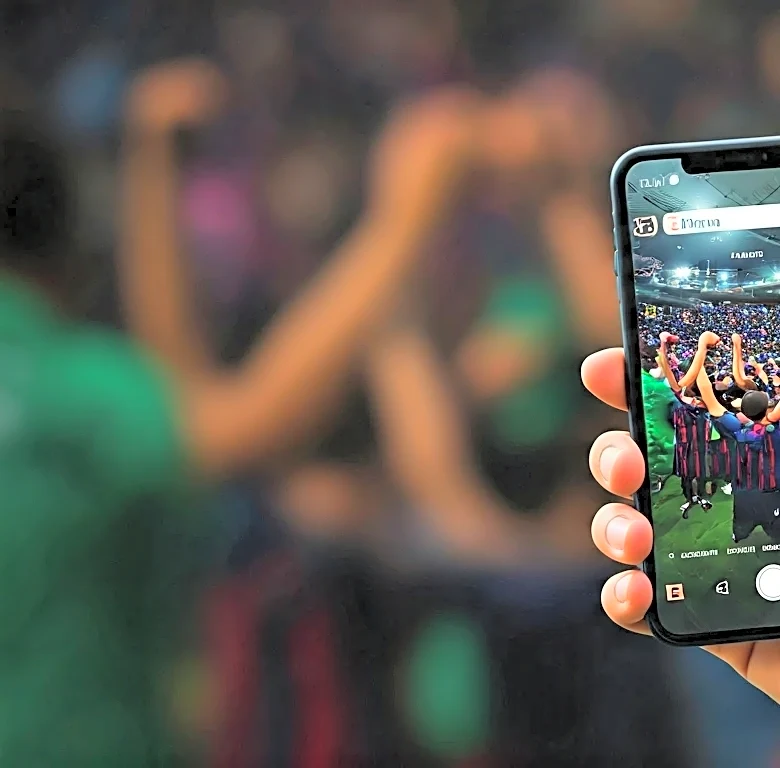
The second screen—your phone or tablet—can either be a massive distraction or a brilliant companion piece. Use it with intention. Instead of aimlessly scrolling through social media, use it to enrich your viewing. Follow live-updating tactical maps from analytics sites, keep an eye on the official tournament app for real-time stats, or join a group chat with other fans who are as invested as you are. For English-language viewers watching a Spanish-language broadcast, a second screen can provide play-by-play text. This curated approach turns your phone from a source of distraction into a tactical command center, adding a layer of analytical depth that enhances your appreciation for the on-field drama.
Curate Your Commentary and Language
Don’t just settle for the default broadcast. Many modern streaming services, like Peacock or Paramount+, offer multiple audio feeds. Tired of the primary commentators? See if there’s a stadium-only audio feed that strips away the chatter and leaves you with the pure, unadulterated sound of the game and the crowd. For international tournaments, this is also your chance to experience the game through another culture’s lens. Even if you don’t speak the language, switching to a Spanish, Portuguese, or Italian broadcast can be a revelation. The passion, the rhythm, and the iconic, drawn-out calls of “GOOOOOL!” provide an energy that often transcends language, making a key moment feel even more monumental.
Set the Scene Before Kickoff
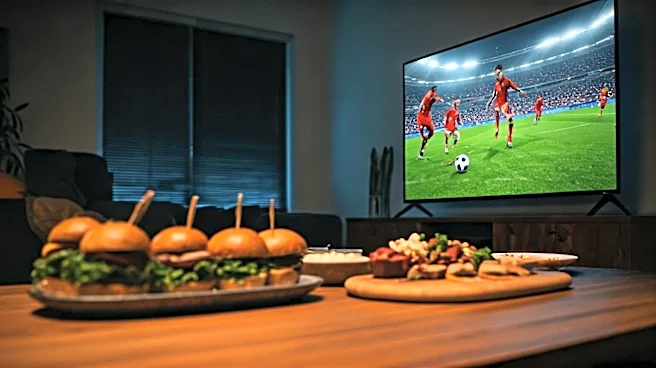
The feeling of a “big game” starts before the whistle blows. Replicate that pregame buzz at home. If you’re watching with friends, make it an event. Plan snacks and drinks that nod to the nations playing—bratwurst and beer for Germany, empanadas for Argentina, or a simple cheese board for France. Even small touches, like dimming the main lights and using biased lighting behind your TV (placing a lamp or LED strip behind the screen), can reduce eye strain and make the screen’s colors appear more saturated. This little bit of stagecraft transforms your living room from a passive viewing space into a dedicated fan zone, building anticipation and making the entire experience more memorable, win or lose.