









The Intoxicating Feeling of 'Success'
Let’s be clear: the last few weeks were an absolute blast. Winning the first two group stage games for the first time since 1930 was historic. The dominant 4-1 victory over Paraguay was a goal-fest, setting a USMNT record for goals in a World Cup match.
The subsequent win over a tough Australia side, even without an injured Christian Pulisic, felt like a corner being turned. Advancing from the group with a game to spare created a carnival atmosphere across the nation. Beating Bosnia and Herzegovina in the Round of 32, the team’s first knockout win since 2002, felt like a curse being lifted. It was a national event, uniting millions and making the sport the center of the American universe. This was the dream of a home World Cup realized. But dreams can be deceiving.
Our God-Given Right to a Round of 16 Exit
The problem isn't what happened; it's how we've processed it. The national narrative has become one of plucky triumph, a plucky host nation making a respectable run. We are celebrating a Round of 16 exit. Again. The US was bounced at this exact stage in four of the last five tournaments they've played in. After the spirited group stage, the team was summarily dismantled 4-1 by Belgium. It was a listless, uninspired performance where the team was tactically and physically overwhelmed. And yet, the post-tournament analysis is full of back-patting and 7.5-out-of-10 ratings, praising the vibes and the fan engagement. This is the tyranny of low expectations. We’ve become so accustomed to being the plucky underdog that we celebrate simply meeting the bare minimum for a program of this size, on home soil, as a historic achievement. Would Brazil, Germany, or even final-bound Argentina or Spain celebrate a Round of 16 flameout as a success? Of course not. And if we ever want to join them, we need to adopt their standards.
The Illusion of Progress
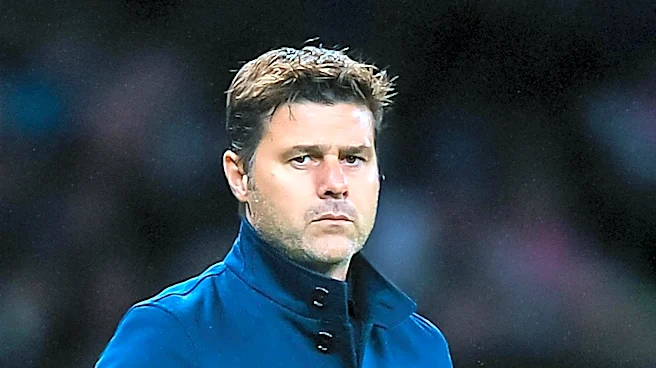
The most dangerous part of this month-long party is that it papers over the cracks. The general feeling is that the team progressed. And yes, breezing through the group was an improvement over prior World Cups. But the fundamental weaknesses remain. The team is still vulnerable in defense and struggles to break down compact, organized opponents. Our most talented attackers, who perform in structured European systems, are still asked to create moments of individual magic rather than benefiting from a consistently elite chance-creation system at the national level. The humbling loss to Belgium showed that for all the talk of tactical flexibility under manager Mauricio Pochettino, the team reverted to being out-classed by a savvy European power when it mattered most. Celebrating this run gives everyone—the federation, the coaches, the players—an excuse. It allows them to say, “Look how far we came,” instead of asking, “Why are we still not good enough to go further?”
Demand More Than a Good Time
No one is saying you shouldn’t have enjoyed the ride. But fandom and accountability are not mutually exclusive. The goal of U.S. Soccer should be to build teams that are “favorites to win every time they step onto a pitch,” not just teams that can create a fun month of content. Accepting a Round of 16 exit on home soil as a job well done is a failure of ambition. It suggests our ceiling is to be a top-15 nation that's just happy to be part of the big dance. That's a participation trophy, and it's holding American soccer back. The debate that will rage all summer isn't about whether the World Cup was fun. It was. The real argument is about what we define as success. Is it a few weeks of patriotic fervor, or is it winning?