



For millions of Americans, the frantic, frustrating journey home for Thanksgiving is a real-life version of a classic film. But while 'Planes, Trains and Automobiles' is about a shared ordeal, the modern version has a reversed ending.
An Unlikely, Unavoidable Bond
The premise of John
Hughes’ 1987 masterpiece is simple: Neal Page (Steve Martin), a marketing executive with a tight schedule and an even tighter disposition, is desperate to get home to his family in Chicago for Thanksgiving dinner. His plans are immediately derailed by Del Griffith (John Candy), a kind, clumsy, and ceaselessly chatty shower curtain ring salesman who accidentally steals his cab and then ends up on his diverted flight. What follows is a calamitous two-day odyssey. They share cramped motel rooms, a dangerously unreliable rental car, and the back of a refrigerated truck. Their journey is a cascade of failures, but through it all, a grudging, genuine friendship is forged. The shared misery—the cold, the delays, the sheer absurdity of it all—is the glue that binds them. The trip itself becomes the story, with the destination almost secondary to the human connection formed along the way.
Today's Travel is a Solo Mission
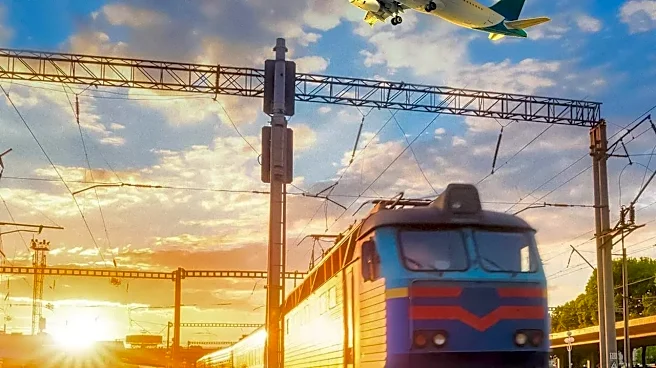
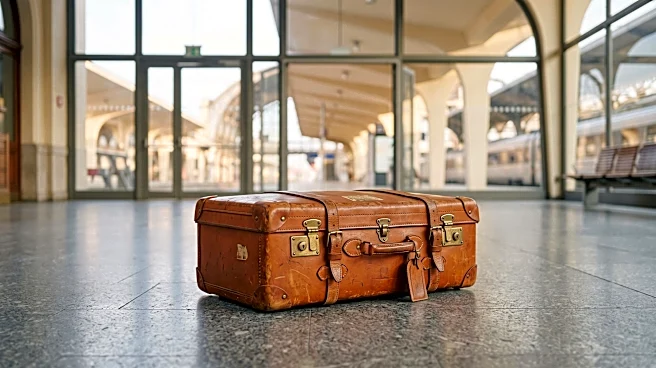
Now, consider the 2026 Thanksgiving travel gauntlet. With projections showing nearly 82 million Americans traveling, roads and airports are at a breaking point. But unlike Neal and Del's forced companionship, the modern travel experience is profoundly solitary. We navigate the chaos with noise-canceling headphones, our faces buried in airline apps, tracking delays and gate changes in silence. The person next to you isn't a potential, albeit annoying, travel partner; they're competition for the last outlet or the remaining overhead bin space. The frustration is just as high as in the film, with weather impacting flights and traffic snarling major arteries, but the experience is internalized. We endure it alone, sealed in our own bubbles of digital distraction and personal stress. There is no communal breakdown of a train, just an individual notification that your flight is canceled. The enemy isn't a shared obstacle, but a logistical problem to be solved on your own device.
The Film's Heartwarming Reveal
The emotional climax of 'Planes, Trains and Automobiles' is what cements its status as a holiday classic. After finally making it to Chicago, Neal says his goodbyes and boards the 'L' train home. But as he travels, he reflects on Del's odd comments and realizes something is wrong. He returns to the station to find Del alone, where Del confesses he has no home to go to; his wife passed away eight years earlier, and he lives on the road. In that moment, Neal’s perspective shifts from annoyance to empathy. The entire journey is re-contextualized not as a series of mishaps, but as a lonely man's desperate search for connection. Neal's response is the heart of the film: he doesn't just offer sympathy, he invites Del into his home, bringing him to his family's Thanksgiving table. The destination becomes a new beginning with a found family.
A Retreat into the Familiar
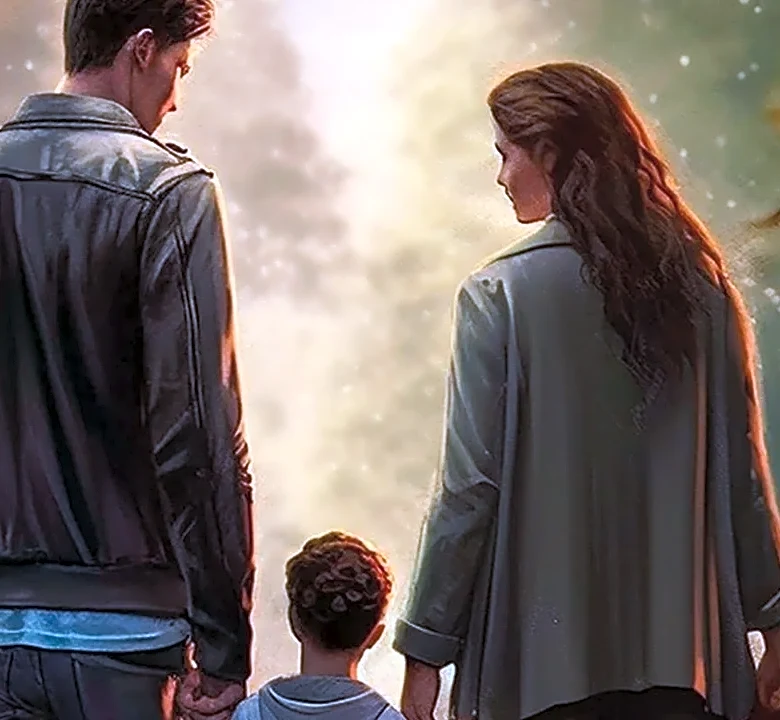
This is where our modern Thanksgiving journey truly reverses the film's ending. For us, the arrival is not about bringing a new, unexpected person into the fold. It's about collapsing into the arms of the family we fought so hard to reach. The destination is a sanctuary from the anonymous, isolating chaos of the journey. After hours of solitary struggle against traffic and airport crowds, the payoff is the deep comfort of the familiar. We don't arrive with a new friend forged in the fires of travel hell; we arrive alone, exhausted, and grateful to finally shed the armor we wore to get there. The story ends where it was always meant to: at a table surrounded by the people we left behind. The film’s ending is an expansion of family, an outward-facing act of inclusion. Our ending, by contrast, is an inward turn—a grateful retreat into the warmth of the home that was waiting for us all along.