
Precision, Pace, and a Plan
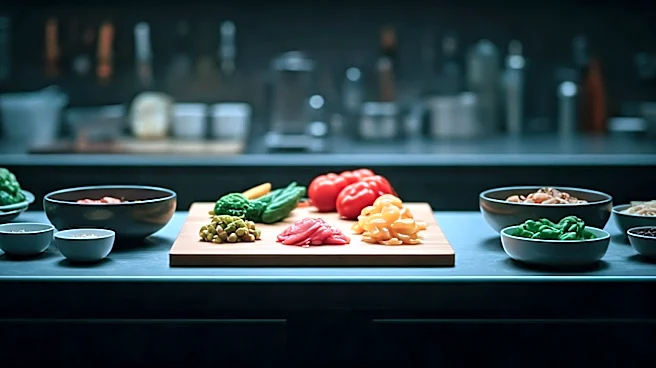
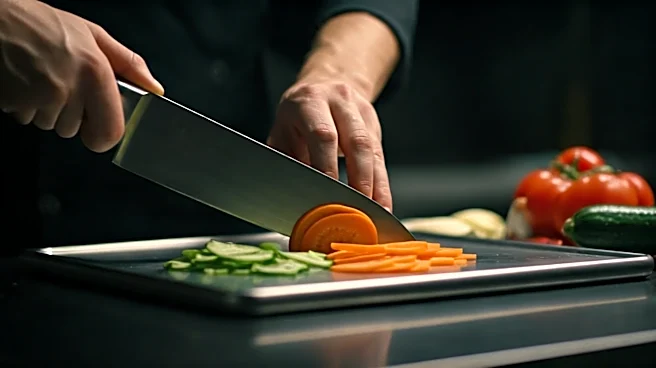
Watch Sydney (Ayo Edebiri) on the line. Every movement is precise, economical, and fast. The way she executes a perfect, consistent brunoise isn’t just about making the food look good. It’s a visual representation
of a leader who values high standards and clarity. In a kitchen, as in an office, consistency creates trust. Her speed isn't frantic; it’s decisive. While Carmy is often lost in his own genius and trauma, Sydney is focused on the immediate task: getting the plates out. This ability to move with purpose under pressure demonstrates a key leadership trait: the capacity to execute a plan while navigating chaos. Her technique is a promise to the rest of the team that she has things under control, even when the world is burning down around them.
A Sharp Knife Is a Safe Knife
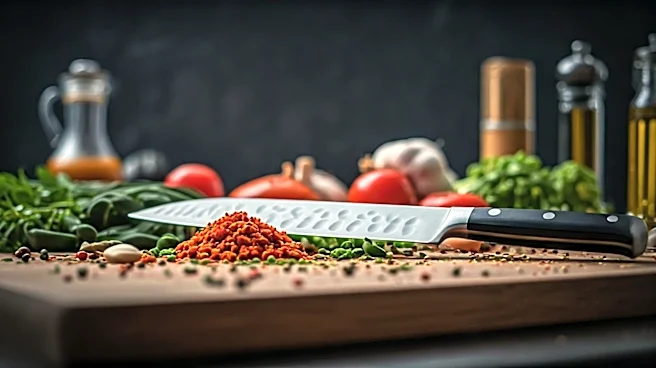
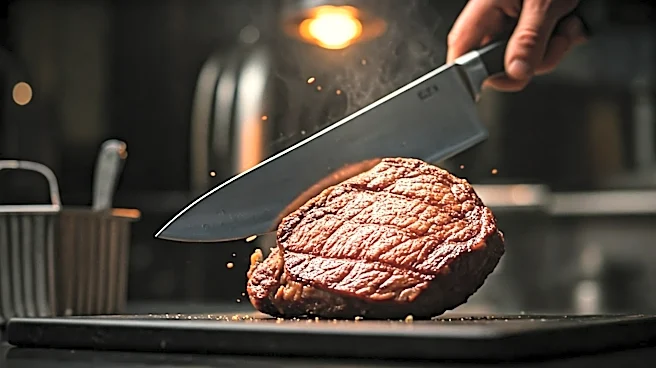
There’s a well-known axiom in professional kitchens: a sharp knife is far safer than a dull one. A dull blade requires more force, making it more likely to slip and cause injury. A sharp knife, however, does its job with clean, predictable efficiency. This serves as a potent metaphor for communication and management. Sydney, at her best, is a sharp knife. She is direct, clear, and her feedback is meant to improve the team, not just assert authority. While she sometimes struggles to communicate her vision, especially early on, her underlying goal is to create a functional, safe system. This contrasts with the dull, unpredictable force of emotional outbursts or unclear direction, which creates friction and risk in any workplace. A sharp leader, like a sharp blade, fosters a safer and more effective environment.
Mastery as a Foundation for Mentorship
You can't effectively teach what you haven't mastered. Sydney’s deep knowledge of her craft is the foundation of her authority. She doesn't just tell people what to do; she can show them, stepping in to demonstrate a technique or fix a broken sauce. This hands-on competence is crucial. Leadership in any field isn't just about abstract strategy; it's about a deep, practical understanding of the work itself. Traditionally, chefs were promoted for their culinary talent without necessarily having management training, but modern kitchens demand both. Sydney embodies this new model. Her journey on the show is a struggle to translate her personal mastery into effective team leadership, learning to mentor her colleagues and build them up.
Respecting the Tool, Respecting the Team
A great chef respects their tools—they keep them sharp, clean, and use the right one for the job. This respect for the tools of the trade extends to a respect for the people on the team. Sydney consistently tries to implement systems, like the French brigade, not for the sake of hierarchy, but for clarity and efficiency. She sees the potential in each team member and understands that, like a set of knives, each has a specific role and strength. Her leadership style, influenced by her study of figures like basketball coach "Coach K," is about putting the team first and understanding that a leader’s role is a privilege, not just a burden. It’s about recognizing that every person in the kitchen is a vital part of the machine.
The Burden of a Steady Hand
For all her skill, Sydney's journey shows that technical perfection doesn't automatically translate to confident leadership. She is often anxious, second-guesses herself, and struggles with the immense pressure. Yet, her knife skills remain her anchor—a tangible expression of her competence when her confidence wavers. The steadiness of her hands on the cutting board is the focus she strives for in managing the team. As the series progresses, she increasingly becomes the restaurant's most stable and responsible leader, precisely because she is so grounded in the craft. Her story reveals that leadership isn't about being flawless; it’s about shouldering the responsibility, picking up the tool, and doing the work with a steady hand, day after day.