



The Tactical Quarterback
Watch a world-class goalkeeper during open play, and you'll notice they're rarely silent. They are the team's tactical quarterback, the only player on the field with a complete, unobstructed view of the game's geometry. From their vantage point, they can
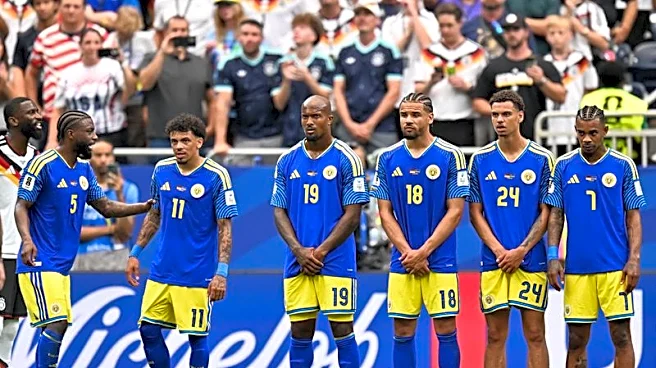
see defensive gaps before the opponent does, spot an overlapping run the midfield missed, and identify a teammate making a break. Their constant shouting and gesticulating isn't just for show; it's mission-critical communication. They are the field generals of the defense, organizing the back line, instructing players where to mark during set pieces, and deciding the height of the defensive wall before a free kick. When a team clears the ball, the keeper is already thinking two steps ahead, directing players into position to win the second ball or transition into an attack. In a knockout tournament, where one defensive lapse can mean elimination, the keeper's ability to organize and prevent chaos before it materializes is often more valuable than a spectacular diving save.
Master of the Dark Arts
Beyond tactics, the best cup keepers are masters of psychological warfare. This is the 'chaos control' that doesn't show up on a stat sheet. Think of Argentina's Emi Martínez during the 2022 World Cup final shootout. His antics—delaying the kick, talking to the penalty taker, even tossing the ball away—were designed to disrupt the opponent's rhythm and plant a seed of doubt. It worked. This is a high-stakes game of nerve. A keeper can control the tempo of a match in its most frantic moments. With their team under siege, they can slow the game down by taking their time on a goal kick, giving their defenders a crucial moment to breathe and reorganize. Conversely, a quick, intelligent throw or kick can launch a devastating counter-attack, turning defensive pressure into an offensive opportunity. They project an aura of calm or an intimidating presence, whichever the moment requires. They aren't just playing the game; they are playing the opponent's mind.
The Loneliest Player on the Pitch
For all their outward command, goalkeepers manage a whirlwind of internal chaos. They exist on an island of high-stakes solitude. A striker can miss four shots and score the fifth to become a hero. A keeper can make ten brilliant saves, but a single misjudgment—a fumbled catch, a poor angle—can cost their team the tournament and make them the villain. The weight of that pressure is immense and isolating. This is why mental fortitude is arguably the most important trait for a cup keeper. They have to possess an almost unnerving ability to forget. A goal is scored against them? They have seconds to process the failure, reset, and be fully prepared for the next attack without any lingering self-doubt. They have to live in the present moment more than any other player, because the next shot, the next cross, the next one-on-one is all that matters. Their ability to manage their own internal monologue is the foundation of their ability to manage the chaos around them.
Redefining the Playing Field
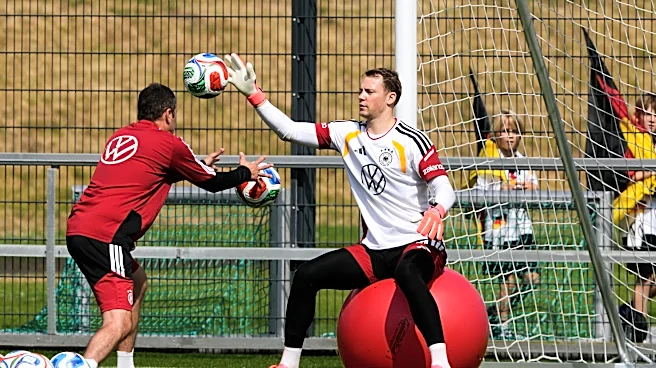
In the modern game, controlling chaos has also taken on a physical dimension that extends far beyond the traditional 18-yard box. The rise of the "sweeper-keeper," famously personified by Germany's Manuel Neuer, has completely changed the role. These keepers are proactive defenders of space, not just reactive shot-stoppers. They read the game so well that they sprint out of their penalty area to intercept through-balls, acting as an extra defender. This aggressive positioning allows their team to play a higher defensive line, compressing the field and putting more pressure on the opposition. It's a high-risk, high-reward strategy that requires incredible speed, game intelligence, and confidence. When it works, the keeper effectively neutralizes one of the opponent's most dangerous weapons—the long ball over the top—and controls a massive patch of territory that used to be a no-man's-land.