


The Allure of a 'Real' Motunui
The logic behind Disney’s stream of live-action remakes is usually straightforward, blending nostalgia with proven box-office appeal. With 'Moana,' the mission is slightly different. The 2016 animated classic is barely a decade old, yet its cultural footprint
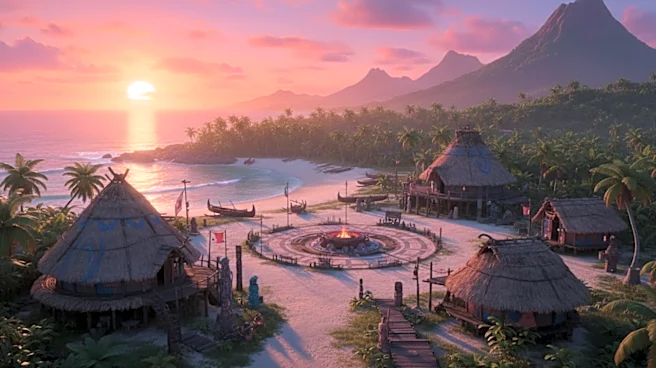
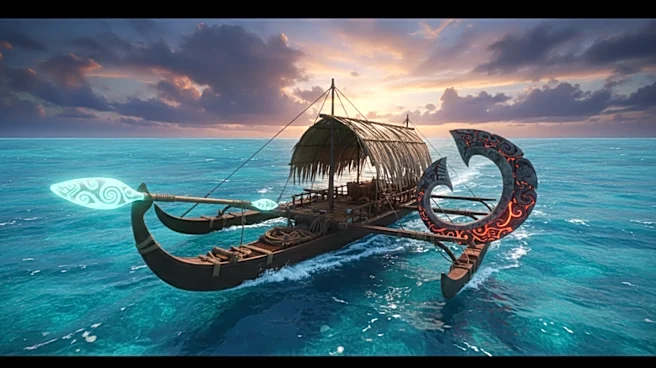
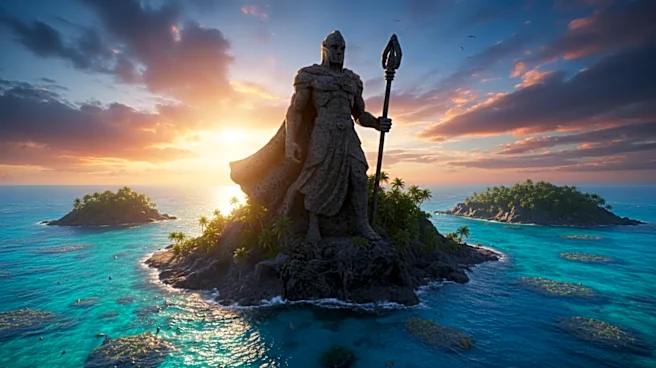
is immense. Spearheaded by producer and star Dwayne Johnson, who reprises his role as the demigod Maui, this adaptation is framed as a deeper celebration of Polynesian culture. Johnson, whose grandfather High Chief Peter Maivia inspired the character, has repeatedly called it an honor to bring the story to life in the flesh. The production assembled a massive cultural advisory team and cast predominantly Polynesian actors, including newcomer Catherine Laga'aia as Moana, John Tui as Chief Tui, and Rena Owen as Gramma Tala. The goal, as director Thomas Kail explained, is to access emotion in a distinct way that only live-action can provide. By building a full-scale village of Motunui and using traditional construction techniques, the film aims for a tangible authenticity the animated version could only suggest.
The Freedom of Animation
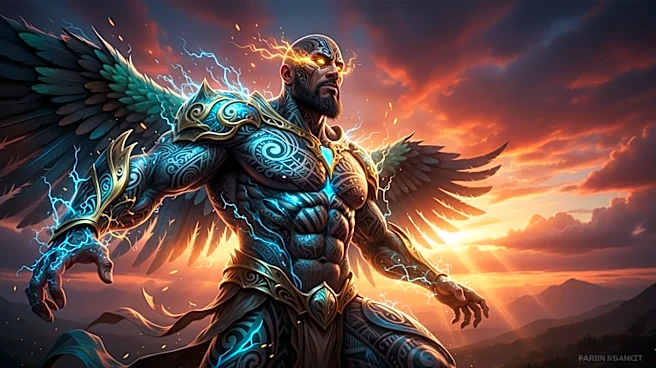
The paradox, however, lies in what made the original so enchanting. Animation provided a boundless canvas for 'Moana’s' most memorable elements. The ocean wasn't just water; it was a playful, sentient character with a will of its own, communicating entirely through gestures. Maui wasn't just a large man; he was a walking, talking mountain of a demigod whose shifting form and living tattoos were central to his personality. Then there are the surreal, day-glo monsters of the Realm of Monsters, like the gargantuan, treasure-hoarding crab Tamatoa. These concepts thrive in a medium where the laws of physics are optional and visual expression is limitless. Translating them into a world with real actors and photorealistic environments presents a formidable challenge. The risk is that in striving for realism, the whimsical, larger-than-life magic that defined these characters could be diminished.
The Authenticity Tightrope
This new adaptation is walking a tightrope between two forms of authenticity. On one hand, there's the cultural authenticity that Johnson and the creative team have emphasized. Using real locations in Hawaii, casting actors of Pacific Islander descent, and working with cultural experts grounds the story in a profound and meaningful way. Laga'ia, who is of Samoan heritage, has spoken about representing young girls who look like her, just as the original film did for a generation of viewers. On the other hand, there's the need for authenticity to the mythic, fantastical source material. How do you render a god? What does a sentient ocean look like in a world that otherwise appears real? Director Thomas Kail, known for staging the historical epic 'Hamilton,' is no stranger to blending mythmaking with realism. His task is to ensure the cultural reverence of the production coexists with the story’s most fantastic elements without either one undermining the other.
Translating the Magic
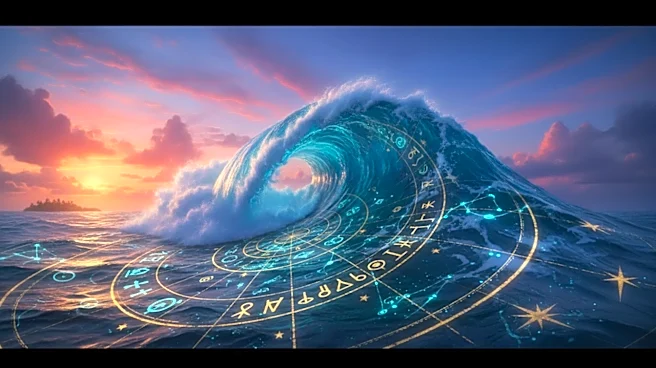
The practical challenges are immense. Johnson himself admitted that physically performing Maui's musical numbers was far more demanding than voicing the character, noting the pressure of living up to beloved, iconic songs in a new format. But the bigger test will be visual. Characters like the Kakamora—the coconut-clad pirates—or the lava demon Te Ka require a delicate balance in visual effects. If they look too cartoonish, they break the live-action illusion. If they look too gritty and realistic, they might lose their unique charm or become genuinely terrifying for the film's target family audience. The biggest question mark remains the ocean. Creating a CGI wave that can interact with Moana with personality and emotion, without looking like a misplaced special effect, is perhaps the film’s most ambitious swing. Success will be measured not by the realism of the water, but by whether audiences can believe, once again, that the ocean chose her.