




The Pre-Instagram Festival Scene
Before the 2010s, festival fashion was more about practicality than performance. Think muddy boots, old band tees, and denim shorts—clothing meant to withstand the elements. While icons like Kate Moss at Glastonbury in the mid-2000s gave us glimpses of
rockstar-chic with her tiny shorts, studded belts, and Hunter wellies, her look was still grounded in a kind of effortless, rugged cool. It was chic, yes, but it wasn't yet a commercialized, replicable uniform. The focus was on the music and the experience, not necessarily on creating a perfect, photo-ready moment. Fashion was secondary to the function of surviving a weekend in a field.
The Rise of the Coachella Queen
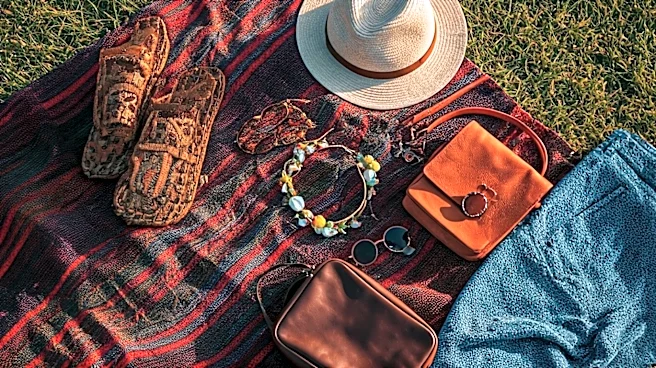
Then came the convergence of two powerful forces: the rise of Instagram and Vanessa Hudgens at Coachella. Unofficially crowned the "Queen of Coachella," Hudgens transformed the festival grounds into her personal runway throughout the early 2010s. Her meticulously crafted boho-chic ensembles—complete with flowing kaftans, crochet tops, wide-brimmed hats, and a signature flower crown—were made for the social media age. Suddenly, festival style wasn’t just about being there; it was about being seen there. Celebrities and, soon after, influencers began curating elaborate outfits designed to be photographed and shared, turning the desert into a massive outdoor fashion show.
Decoding the 'Festival Aesthetic'
The look was a highly specific blend of aesthetics: part 1960s Woodstock hippie, part 1970s bohemian, all filtered through a modern, commercial lens. Key elements included fringe, crochet, lace, flowing maxi dresses, and an abundance of accessories like layered jewelry and ankle boots. Brands quickly capitalized on this, with fast-fashion retailers pumping out cheap versions of these celebrity-endorsed looks. The style was marketed as a symbol of freedom, creativity, and carefree living, yet it became a surprisingly rigid uniform. You weren’t just going to a festival; you were performing the role of a festival-goer, and this was the costume.
From Festival Field to Vacation Villa
As the festival aesthetic became mainstream, its core principles began to bleed into other areas of life. The modern "girls' trip"—be it a bachelorette party in Nashville, a birthday weekend in Miami, or a getaway to wine country—became the new stage for this kind of performative dressing. The logic is identical: it’s a special event, it will be heavily documented on social media, and therefore, it requires a specialized, themed wardrobe. The shared spreadsheet of themed outfit nights—"All White Dinner," "Tropical Prints by the Pool," "Sparkles for Saturday Night"—is the direct descendant of the festival lookbook. It’s about creating a cohesive, camera-ready visual story of your shared experience.
The Legacy of Performative Dressing
While the ubiquitous flower crown has thankfully been retired, the fundamental shift remains. Celebrity festival style taught an entire generation to think of their clothing in terms of events and photo opportunities. It normalized the idea of planning and coordinating outfits for leisure time, transforming personal style into a group activity. The psychology is about more than just looking good; it's about using fashion to create a sense of occasion and shared identity. The girls' trip wardrobe is a way of saying, "We are here, together, and this moment is special." It's an escape from the everyday, and the outfits are a key part of that transformation, a trend born from celebrities in the California desert and now thriving in vacation rentals worldwide.