


The Practicality Mandate
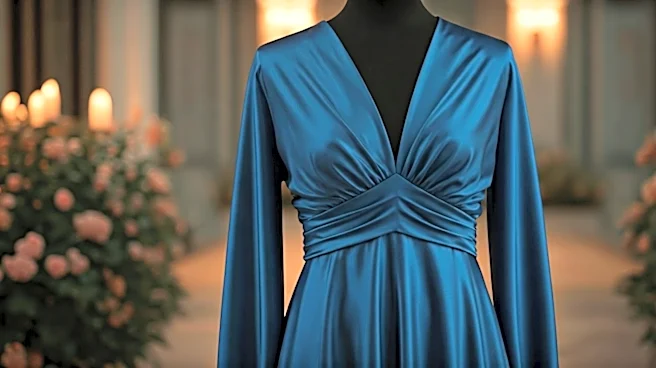
First, let’s be practical. Royal Ascot is a marathon, not a sprint. It’s a full day spent on your feet, navigating grassy paddocks, crowded enclosures, and the occasional unpredictable British downpour. A full-length gown, while dramatic, becomes an immediate
liability. The hem is a magnet for damp grass, dirt, and the stray heel of another guest. It requires constant management to avoid tripping or looking disheveled by the third race. A gown is designed for the controlled environment of an indoor ballroom and a red carpet, not the charmingly rugged reality of a racecourse. Trying to manage acres of fabric while balancing a glass of Pimm’s and a race card is a challenge few can pull off with the required level of aristocratic nonchalance.
Navigating the Notorious Dress Code
The Royal Ascot style guide is legendary for its strictness, especially in the Royal Enclosure. Dresses must fall to the knee or longer, and straps must be at least one inch wide. This is where the midi dress reveals its genius. A sculpted midi, hitting elegantly at mid-calf, easily satisfies the length requirement without any of the drawbacks of a full-length gown. It’s formal, respectful, and unequivocally compliant. There’s no risk of a sudden gust of wind revealing a too-high hemline, nor is there any ambiguity about its appropriateness. It signals a quiet confidence—the wearer has read the rules, understood the assignment, and chosen an option that is both chic and entirely within bounds. It removes dress-code anxiety, which is a luxury in itself.
The Power of the Silhouette
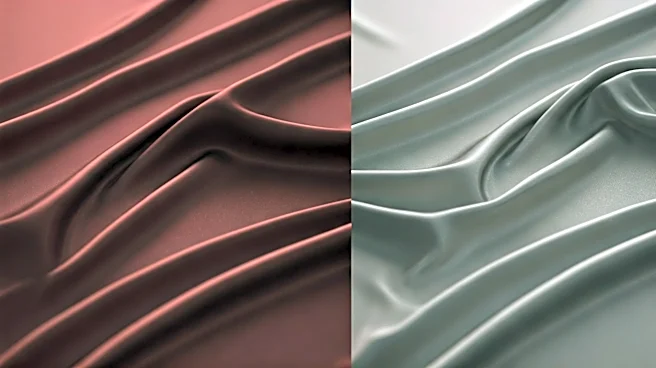
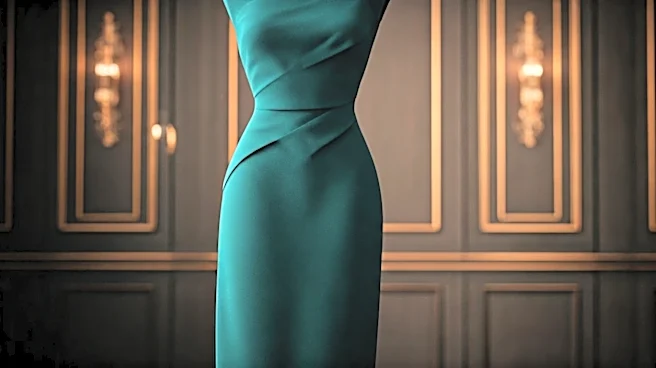
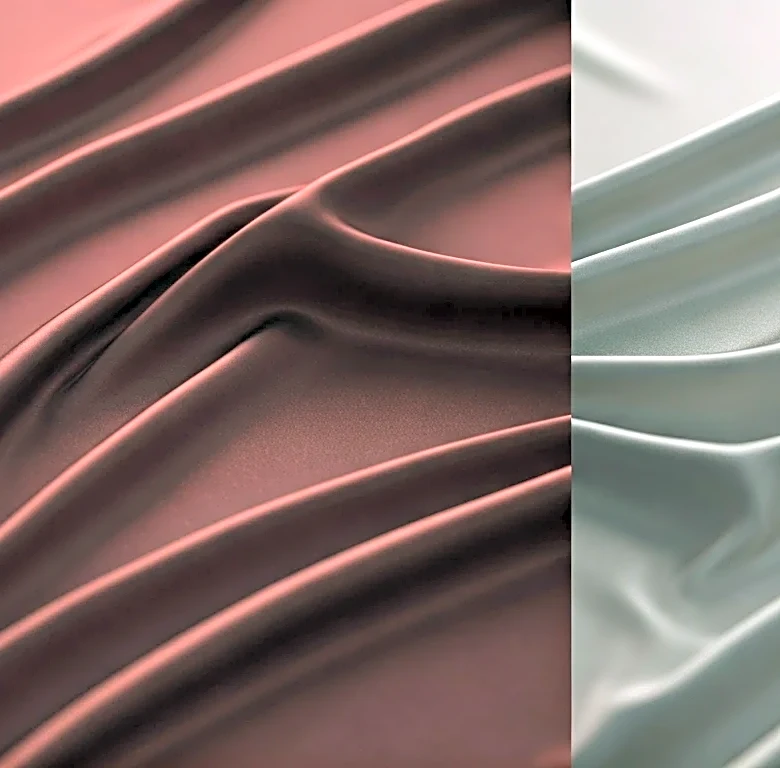
The key word in the headline is “sculpted.” We aren’t talking about a flimsy, floral tea dress. A sculpted midi is architectural. It’s crafted from substantial fabrics like crepe, structured silk, or bonded cotton that hold their shape. This structure creates a powerful, deliberate silhouette that doesn’t rely on volume or length for impact. Think of a sharp shoulder, a neatly defined waist, or an interesting neckline. These elements draw the eye and create a look that feels modern, polished, and intentional. A gown often lets the fabric do the talking, flowing around the body. A sculpted midi, by contrast, works with the body to create a specific, memorable shape. It’s less about fairytale romance and more about contemporary elegance and control.
A Masterclass from the Royals
If you need further proof, look to the experts. The women of the British royal family, masters of diplomatic dressing, have increasingly championed the midi dress at Ascot. The Princess of Wales, for example, has made the style her signature, frequently opting for designers like Alessandra Rich or Emilia Wickstead who specialize in sophisticated, structured midis. Her memorable polka-dot dresses were a masterclass in event-appropriate style: timeless, photogenic, and perfectly suited to a day of public-facing duties. By choosing a midi, these women demonstrate an understanding that modern formality is about appropriateness and polish, not just length. They show respect for the institution of Ascot without looking like they’ve stepped out of a historical drama.
The Ultimate Style Flex
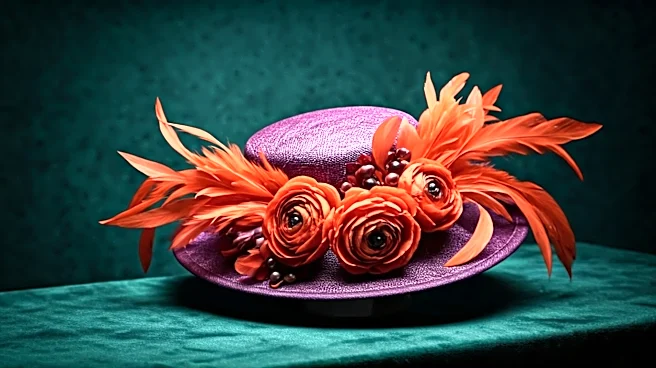
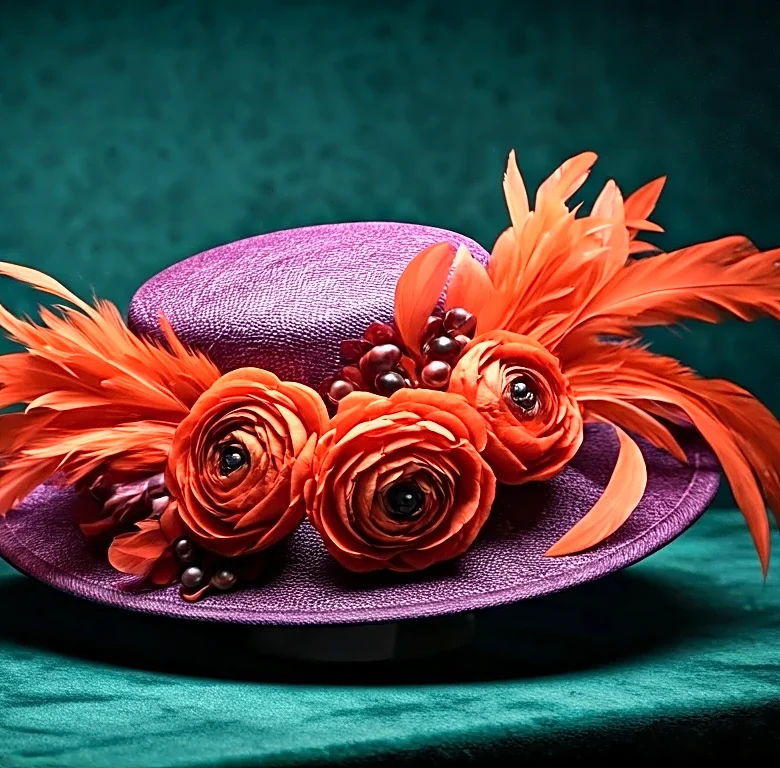
Ultimately, choosing a sculpted midi over a gown is a sartorial power move. It communicates that you understand the nuances of the event. It says you value elegance, but also comfort and practicality. It suggests you’re there to enjoy the day, not to be a passive mannequin for a dress. In a sea of often-fussy formalwear, a clean, sharp, beautifully cut midi dress stands out for its confidence and clarity. It allows your hat—the true star of any Ascot outfit—and your personality to shine. A gown can wear you, but a perfectly chosen midi dress feels like an extension of your own personal style. It’s the choice of a woman who isn’t just attending an event, but commanding it.