


The 'My Fair Lady' Moment
You know the look, even if you’ve never seen the 1964 film. Audrey Hepburn as Eliza Doolittle, standing trackside in a jaw-dropping, black-and-white striped dress with a corsage of ribbons and plumes. Designed by the legendary Cecil Beaton, that single
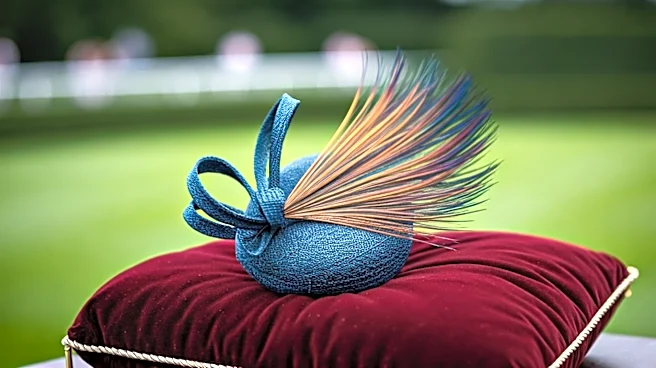
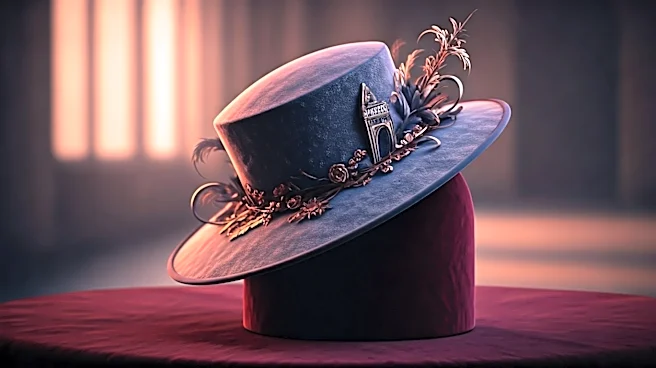
costume became the platonic ideal of race-day extravagance. It wasn’t just a dress; it was a dramatic statement, a visual spectacle of high-society performance. Modern designers and attendees constantly tap into its power. The stark monochrome palette offers a graphic punch that stands out in a crowd of pastels. We see it in sharply tailored black-and-white ensembles, in oversized bows that echo Eliza’s, and in the sheer architectural ambition of the hats. It’s a reference that signals an understanding of fashion history and a flair for the dramatic, proving that Beaton’s vision of aspirational elegance is, quite simply, eternal.
The Princess Diana Polka Dot
While Royal Ascot’s history stretches back centuries, for many, its modern style identity was forged in the 1980s by Princess Diana. Her looks were a perfect blend of royal protocol and trend-conscious fun, and none have endured more than her polka dot ensembles. Her 1988 Victor Edelstein black-and-white polka dot dress, in particular, is a touchstone. It was chic, playful, and instantly memorable. Kate Middleton, Princess of Wales, has famously paid homage to this look multiple times, most notably in a near-identical Alessandra Rich dress. But the reference goes beyond direct imitation. The polka dot has become a kind of shorthand for a certain type of confident, approachable elegance at Ascot. It’s a pattern that feels both classic and cheerful, steering clear of stuffiness while remaining perfectly appropriate for the Royal Enclosure. When a royal or celebrity wears polka dots to Ascot, they’re not just wearing a pattern; they're channeling the people’s princess.
The Dior 'New Look' Silhouette
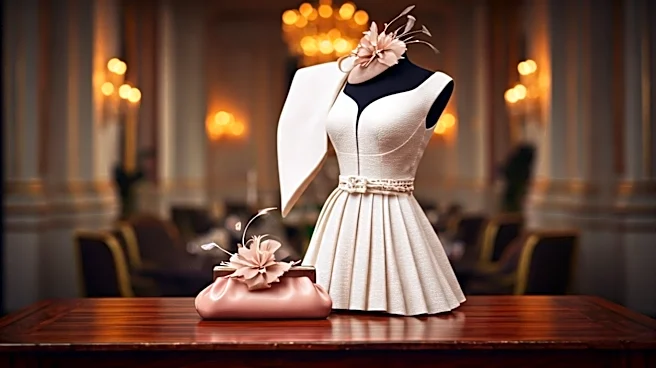
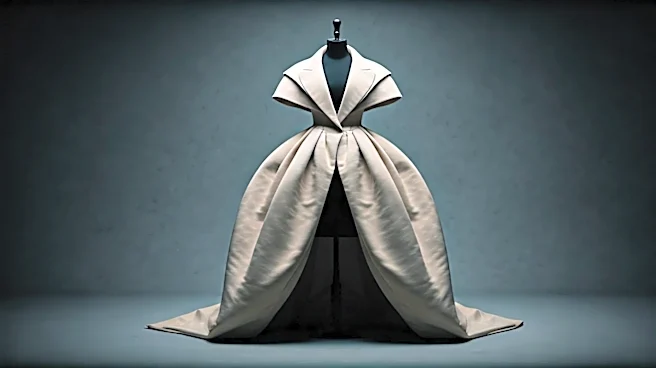
To understand another key Ascot reference, you have to go back to 1947 Paris. Emerging from the austerity of World War II, Christian Dior unveiled his “New Look,” a collection defined by rounded shoulders, a cinched-in wasp waist, and a voluminous, full skirt. It was a radical celebration of femininity and luxury after years of rationing and utilitarian clothing. This hyper-feminine silhouette became a blueprint for formal dressing for decades, and its DNA is all over Royal Ascot. You can see it in the fit-and-flare dresses that dominate the event. This shape is universally flattering and inherently formal, creating a sense of occasion. Designers continually update it—with modern fabrics, unexpected colors, or contemporary necklines—but the core principle remains. Choosing a New Look-inspired silhouette is a way of plugging into a powerful legacy of post-war optimism and unapologetic glamour.
The All-White Edwardian Echo
Long before color photography, the visual language of Ascot was defined by texture and light. In the Edwardian era—a period often romanticized as a golden age of aristocratic leisure—women’s race-day fashion was dominated by intricate white and cream lace dresses, often paired with parasols and wide-brimmed hats. This tradition of wearing white to summer sporting events has never truly left. Today, an all-white outfit at Ascot feels both traditional and refreshingly modern. It acts as a clean canvas, allowing the focus to fall on an incredible piece of millinery or the fine details of the tailoring. It’s a subtle nod to the very origins of Ascot as a high-fashion spectacle, recalling the delicate, frothy gowns seen in early photographs and paintings of the event. It evokes a sense of timeless purity and serves as a chic palate cleanser amidst a riot of color.